Home planning
West-facing patios: zone dining and circulation for afternoon sun
Plan dining, lounging and circulation on a west-facing patio using actual use times and seated observations rather than relying only on a larger roof.
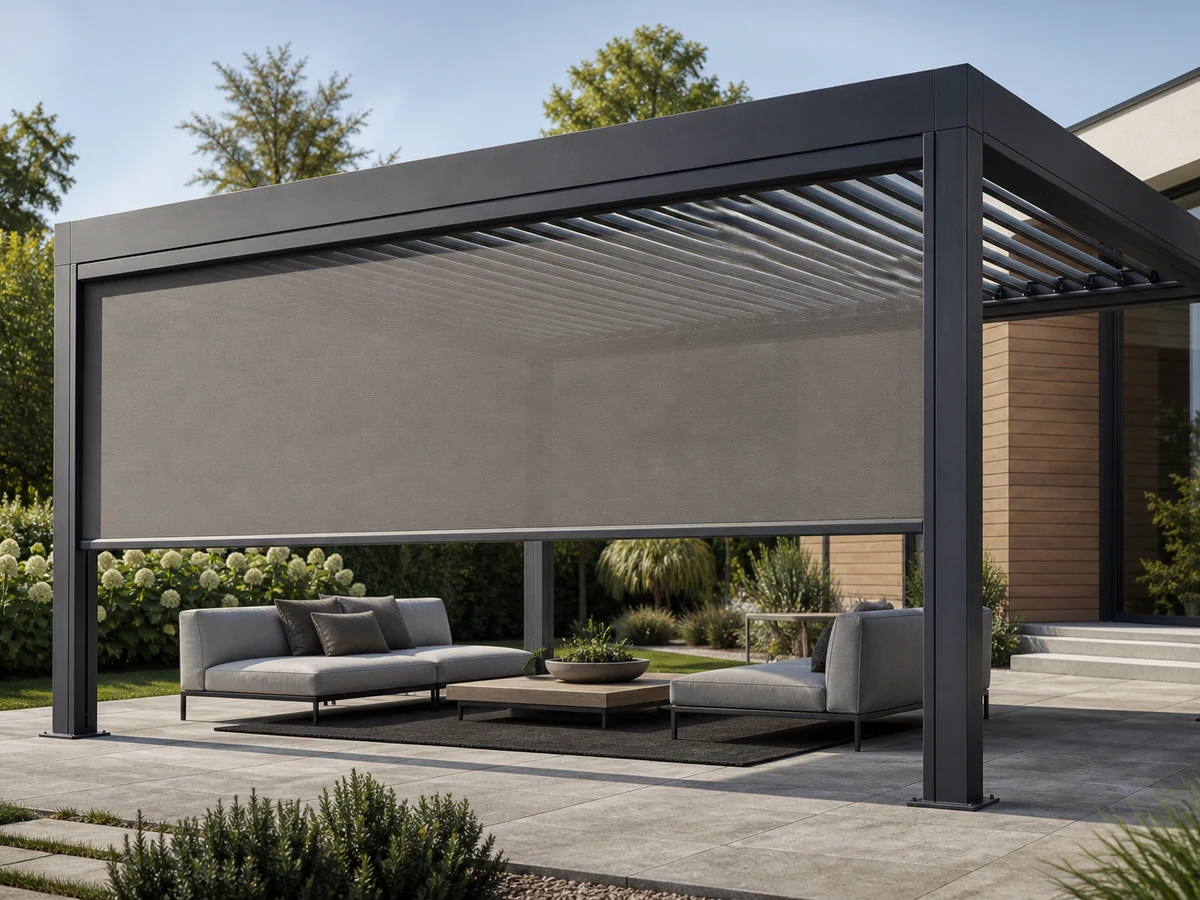
Observe afternoon sun during the hours you use
A west-facing patio may not feel too bright all day. The problem can arrive just when the family sits down, with sunlight reaching eyes, tabletops or screens. Do not assess the site only at noon. Observe during the afternoon and evening hours you normally use it, photographing the same position from chair height and noting affected seats. Keep the date and time because seasons alter the situation. Each record describes those conditions, not year-round performance. Its purpose is to show the designer precisely which part of daily life needs attention.
Separate settled seating from short stays
Separate places occupied for long periods, such as dining and reading seats, from serving routes, doorway turns and brief stops. Applying equal screening everywhere can crowd an entrance that does not need it and sacrifice garden views. First turn or move the main seating and observe the difference, then consider side accessories. Overhead coverage and sunlight entering from the side are related but distinct issues; a larger roof does not guarantee that every seat feels comfortable. Assess views, air movement and circulation alongside the light reaching each position.
Compare a hypothetical dinner layout
Imagine a family eating in the early evening at a long table facing the garden, with the western row looking into sunlight. Compare rotating the table, relocating a reading chair and introducing adjustable shade at selected positions. Change one variable at a time and check whether serving and conversation remain easy. If fully screening the western side is the only arrangement that meets expectations but removes the favorite view, reconsider the priorities. This is a hypothetical layout exercise, not a promise that any screen or roof provides an unverified cooling effect.
Keep room to adjust through the seasons
Show both usual and alternative furniture positions in the final plan. Define the opening, storage and servicing areas of side accessories so dining chairs do not occupy the space those movements need. If your observations are incomplete, discuss future options, but obtain written confirmation before assuming an accessory can be added later. Give the designer sun photographs, a zoning plan and your priority use times together. These create a more verifiable brief than simply asking to solve afternoon sun and keep expectations for any single accessory realistic.
Notice glare from tabletops and nearby pale walls too. Even after direct sun is blocked, a screen or dining surface may remain uncomfortable at one seat. Test existing table coverings and temporary chairs before buying accessories. Specific observations are easier to verify later than a broad description of the terrace as too hot or bright.
- Record light at each seat during actual dining hours.
- Test furniture orientation before assessing local side shade.
- Check screen movement, garden views and walking routes together.
Will a larger roof alone solve afternoon sun on a west-facing patio?
There is no direct guarantee. Observe whether light enters from the side during your use hours, then compare seating orientation, activity zones and localized shade. Record conditions from chair height at several times and assess airflow and views as well as coverage.
More questions, practical answers →