Solar canopy decisions
Solar Carports in High Winds: An Operating Plan Before the Storm
Prepare a solar carport operating plan for wind warnings, parking changes, isolation and professional inspection with clear responsibilities.
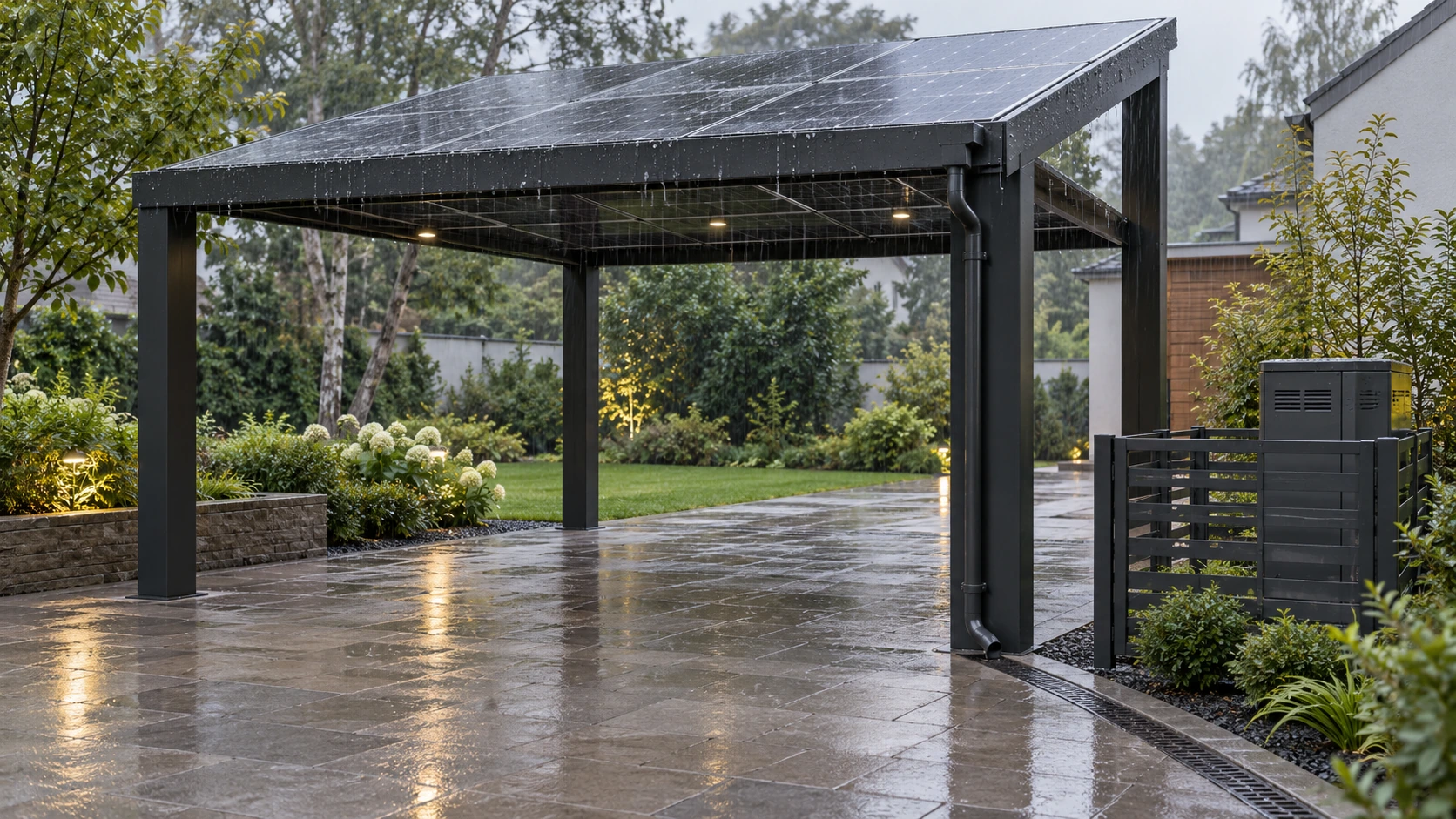
Separate design evidence from operating decisions
A high-wind site needs structural and installation design as well as an operating plan. Design documents do not automatically tell duty staff when to change parking, issue notices or authorize reopening. Management should establish available evidence and operating limits with designers, maintenance and site safety teams, then incorporate local warnings. Do not insert an unsupported TTH wind-speed guarantee into advertising or duty instructions. A roof does not make a canopy a storm shelter. Start with information sources, decision authority and lead time before defining site actions.
Assign actions to warnings and responsible people
State who receives warnings, assesses the site, informs users and covers absences. Prepare parking changes, closures and signs before conditions worsen, avoiding last-minute requests to move objects beneath the canopy. Equipment shutdown or electrical actions must follow approved project procedures and authorized roles. DOE severe-weather and maintenance resources can organize risk discussions, but do not replace local warning systems, engineered limits or equipment instructions. Keep action lists and current contacts readily available to duty staff, and periodically confirm that they still work.
- Define warning sources, authority and deputies.
- Prepare parking changes, notices and isolation.
- Include professional review and reopening approval.
Test the plan outside normal working hours
Imagine a weekend warning at an office campus with visitors still parked and the facilities manager absent. A drill should establish whether duty staff can reach responsible people, use prepared notices and arrange alternatives without relying on one individual. If conditions already make action unsafe, follow the site's emergency arrangements rather than exposing people to protect equipment. Consider nearby trees, temporary signs and other objects because risks are not limited to the canopy. This scenario identifies communication gaps, not universal wind thresholds or assurances that any covered position is safe.
Make recovery a separate decision
Clear weather does not establish normal structural, module or ground conditions. Separate permission for public access, parking and electrical restoration, assigning inspections of loose items, damage, debris and alerts. Unauthorized staff should not reset protection or remove potentially energized parts. After an event, review warning timing, communication and closure boundaries, updating the plan where necessary. Keep design, maintenance and event records for professional assessment. Surviving a previous windy period is not evidence of performance in every future event or a replacement for an appropriate review.
Can a carport stay open whenever wind is below an advertised figure?
No. Decisions require verified design evidence, installation conditions, local warnings and approved operating procedures, including surrounding hazards. Assigned staff should apply agreed closure criteria, followed by separate reviews for access, parking and electrical restoration.
More questions, practical answers →