Solar canopy decisions
Protecting Solar Carport Columns Without Blocking Access
Coordinate solar carport column protection with doors, pedestrian access and equipment servicing as a separate site-design task.
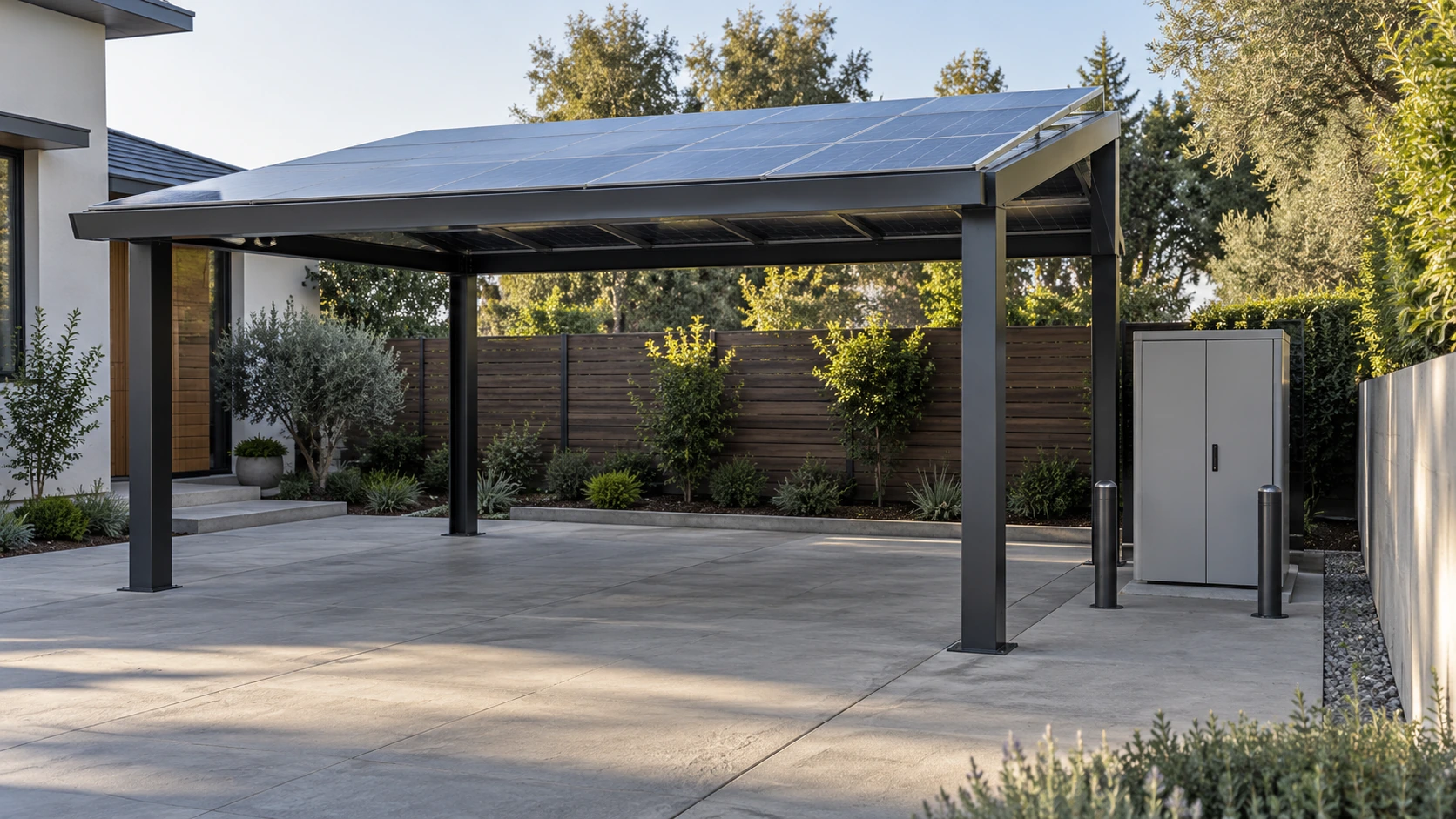
Define what needs protection and how vehicles approach
Start column protection by examining how vehicles may approach the solar carport. Parking, reversing, turning and entering an unintended route are different scenarios. Columns, downpipes and electrical cabinets also serve different functions. The responsible designers should specify protection type, location and installation conditions; appearance alone cannot establish resistance to a particular impact. The canopy column itself should not act as a vehicle stop. Define the protected area and foreseeable vehicles, then assess parking usability alongside protection so a local measure does not create a new obstruction nearby.
Treat protective equipment as a real footprint
Draw the actual footprint of protection and its foundations rather than a symbol. Check doors, passengers, mobility transfers, boot access and cabinet servicing. For removable protection, define who may remove it, when and how it is reinstated; that decision should not fall informally to cleaning staff. Impact ratings, spacing and foundations depend on project requirements and verified product information. A standard bollard photograph is insufficient for procurement: request the evidence needed to support its selection and placement at this site.
- Overlay doors, people and equipment operating areas.
- Assign design responsibility for protection and canopy columns.
- Manage removal and reinstatement of removable components.
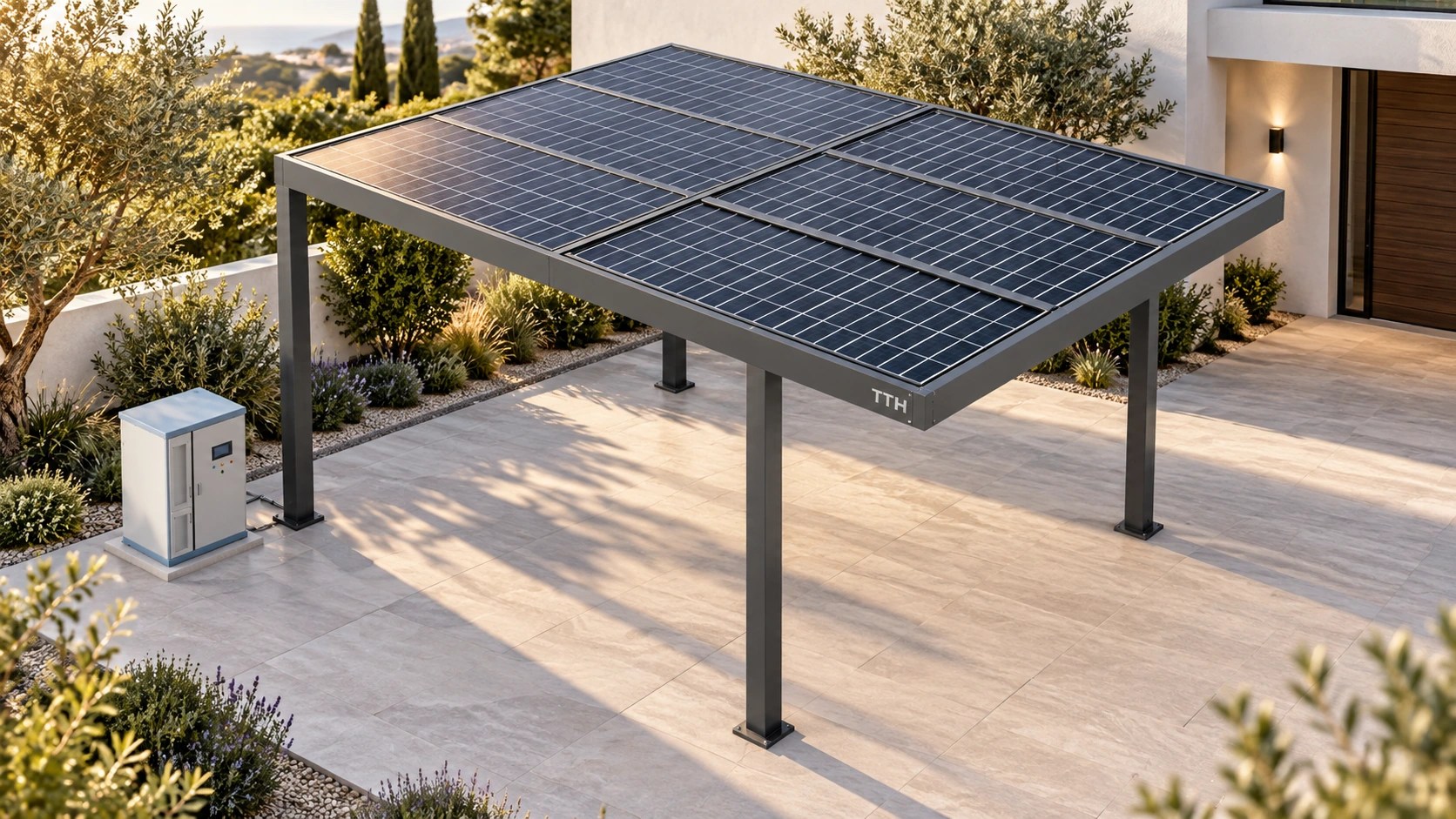
Test a cabinet beside a column
Imagine an inverter cabinet beside a column, protected by two bollards. Vehicles cannot easily reach it, but maintenance staff discover that the door cannot fully open and replacement equipment has no route out. Re-coordinate the cabinet, protection and service space instead of expecting bollards to be excavated during repair. Moving them into a passenger exit area would create another conflict requiring review. Protection and maintainability must be designed together. Ask the service team to demonstrate opening, inspecting and removing equipment on the drawings and retain the resulting issues.
Distinguish temporary cones from permanent protection. Guidance equipment placed before a column is not evidence that project impact-protection requirements have been met.
Verify the installed positions and preserve them
After installation, check the protective equipment against approved positions and verify that markings and driving directions match the design assumptions. Changes to parking, equipment or bollards require review by the responsible party. DOE carport and HSE transport guidance help identify vehicle and pedestrian issues, but do not prove impact performance for any particular bollard or TTH structure. Retain models, layouts and maintenance responsibilities in handover records. Provide a reporting and isolation process for damage; repainting a surface does not establish continued suitability.
Are more bollards around solar carport columns always better?
No. Protection can obstruct doors, walking, transfers and servicing. Design it around vehicle approach and the protected equipment, checking footprints, installation and evidence with parking and maintenance staff. Quantity does not establish suitability, and canopy columns are not vehicle stops.
More questions, practical answers →