Retractable awning choices
A rooftop bar cannot simply copy a ground-floor awning proposal
Reassess rooftop exposure, mounting and operations, including seating and service arrangements for periods when the equipment cannot be used.
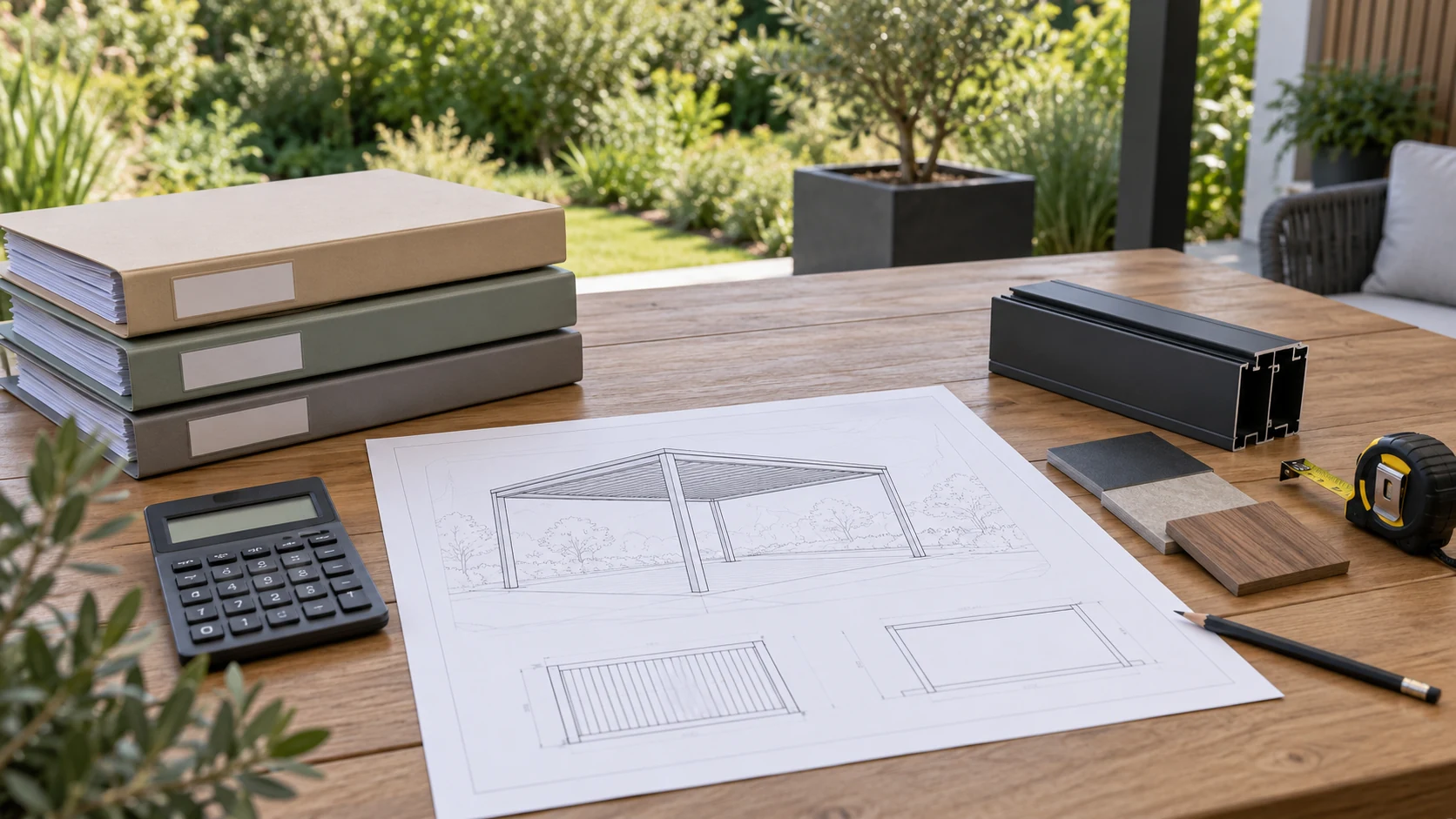
The same building can contain different installation environments
A ground-floor installation does not establish rooftop suitability for the same size and configuration. Exposure, surrounding construction, mounting and access require fresh assessment. Supply roof information, proposed position and operating needs to the appropriate providers. Neither floor photographs nor a shared brand name settle those questions. This guide assigns no universal wind speed from height and treats no sensor as a guarantee for every rooftop condition. Begin with evidence for the actual location rather than extending one successful arrangement to the whole building.
Assign mounting and roof-interface responsibilities
A rooftop may involve roof-system, structural and equipment specialists, each needing a defined scope and shared information. Do not improvise penetrations, ballast or supports to save space, or assume existing railings are mounting points. Include maintenance routes, delivery and future replacement access instead of solving position only in an opening-day rendering. Quotations should state surveys, associated works and exclusions. Resolve necessary conditions before dependent customization. A coordinated interface arrangement is more useful for purchasing than an unqualified promise that the equipment can somehow be installed.
Translate non-use conditions into operations
If terrace bookings exist when equipment use is unsuitable, the operator needs a seating or service alternative rather than continuing deployment because guests have arrived. Establish product limits with the supplier and build notification, non-use and alternatives into operations. Automatic retraction may be part of a confirmed configuration, but does not manage guests or every site decision. Avoid unsupported all-weather seating promises. Reception, hosts and the duty manager should share the same availability state so one team does not continue offering seats in an area another has already taken out of use.
Use handover evidence from this location
Handover records must correspond to the rooftop configuration, distinguishing demonstrated actions, documented behavior and unobserved conditions. Ground-floor photographs or generic videos are not site tests. Train staff on controls, leaving state and support, and confirm how service personnel reach the unit. Reassess after changes to screens, tall furniture or roofing. A suitable rooftop-bar proposal coordinates applicability, interface works and operational flexibility instead of merely placing fabric in the most scenic position and assuming the remaining questions have already been answered elsewhere.
- Reassess rooftop exposure, mounting and access.
- Assign roof and equipment interfaces to appropriate specialists.
- Include non-use, seating changes and staff communication in operations.
If the same awning works downstairs, is adding a wind sensor enough for the roof?
No. Reassess rooftop exposure, mounting, roof interfaces and service access for that site. A sensor does not replace applicability evidence or operations planning. Confirm the configuration and alternatives for unavailable periods; downstairs experience or one retraction demonstration does not verify every rooftop condition.
More questions, practical answers →