Retractable awning choices
Pressure-washing an awning: check the fabric and mechanism limits first
Cleaning speed does not establish tool suitability. Review instructions for fabric, seams, cassette and electrical components before planning the work.

A tool suitable for paving may not suit the awning
A pressure washer convenient for patio paving is not automatically suitable for fabric and cassette surfaces. Check the awning and textile instructions for permitted tools, access and excluded areas. Lowering a setting without applicable guidance does not establish permission, and there is no universal nozzle distance for every model. Fabric, seams, moving mechanisms and possible electrical components require a coordinated process with distinct limits. Seeing dirt disappear quickly establishes only a visible surface change, not that the complete equipment has remained unaffected or that the method is approved.
Treat fabric and mechanisms according to their own instructions
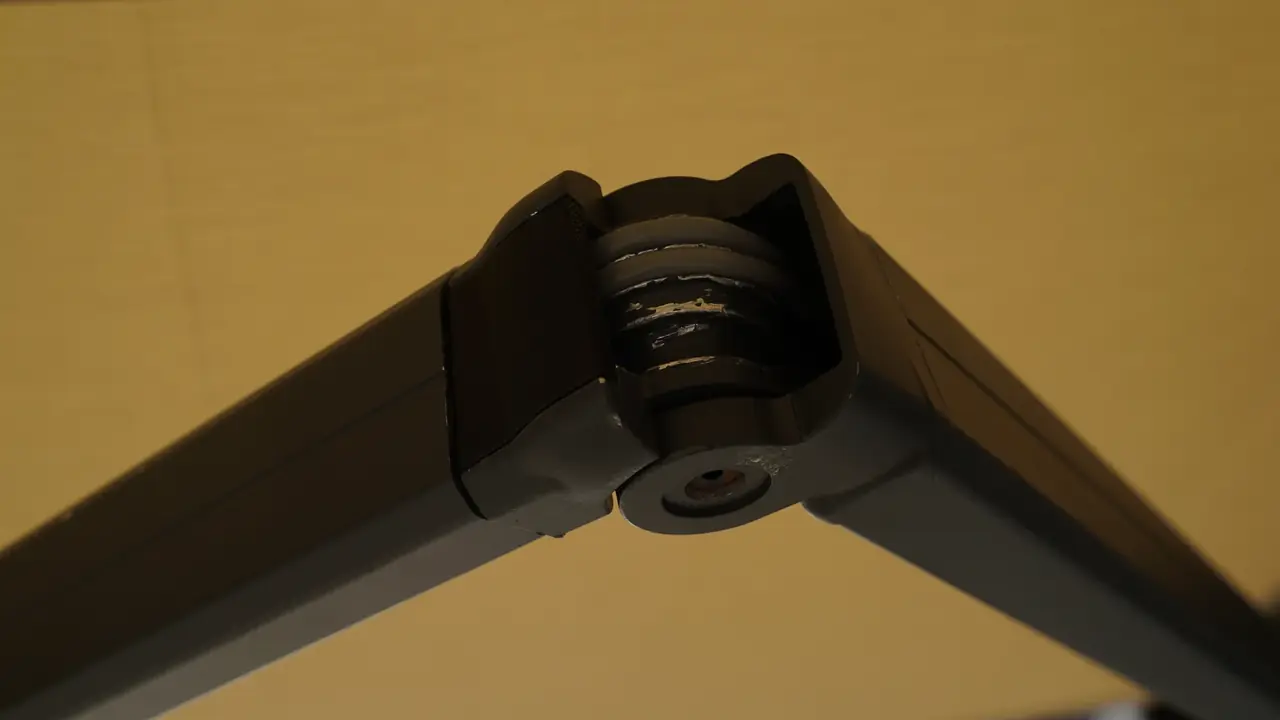
Ask which areas users may clean, which need service and how wet fabric should be dried and stowed. Do not direct water into unfamiliar gaps, drive ends or the cassette interior, or remove covers for easier access. Give an external cleaning provider the equipment and fabric instructions beforehand and confirm its scope and method instead of defaulting to an ordinary wall-washing process. Identify excluded high-level or mechanism checks in the work order so a cleaning payment is not mistaken for complete maintenance of every component.
Coordinate controls and circulation during the work
If cleaners are outside while another household member can start the awning indoors, manage every configured control and automatic mode according to the instructions before work. Wet surfaces, supplies and tools also need an appropriate site arrangement by the people performing the task. Do not stand on furniture or moving parts or use the front edge as support. Obstruction, abnormal sound or visible damage should be reported rather than treated with stronger water pressure. Tool choice, equipment state and people’s routes belong in the same work plan.
Post-cleaning observation does not replace assessment
Afterward, follow the instructions for fabric condition and permitted return to use, retaining methods and any abnormal observations. If unconfirmed pressure cleaning has already occurred, tell the provider where and how it was used without assuming either certain damage or complete safety because movement still works. Ask during procurement what tools and attendance maintenance actually requires. The practical low-effort option is an approved process with a documented result, not a forceful wash that leaves users uncertain about effects they cannot see from the ground.
- Check textile, mechanism and electrical-related care limits separately.
- Agree methods and scope with the cleaning provider beforehand.
- Manage controls, drying and return to use as instructed.
Is a low pressure-washer setting automatically safe for an awning?
No. Tool, distance and method must match the actual equipment and fabric instructions. A low setting does not establish suitability, and different components may have different limits. Agree scope with the provider, manage controls and complete instructed drying and checks rather than judging maintenance solely by a clean appearance.
More questions, practical answers →