Installation & care
A pergola rain sensor is an input, not a dry-furniture guarantee
Review detection, movement time, manual modes and sensor priorities before relying on a pergola rain sensor during daily use.
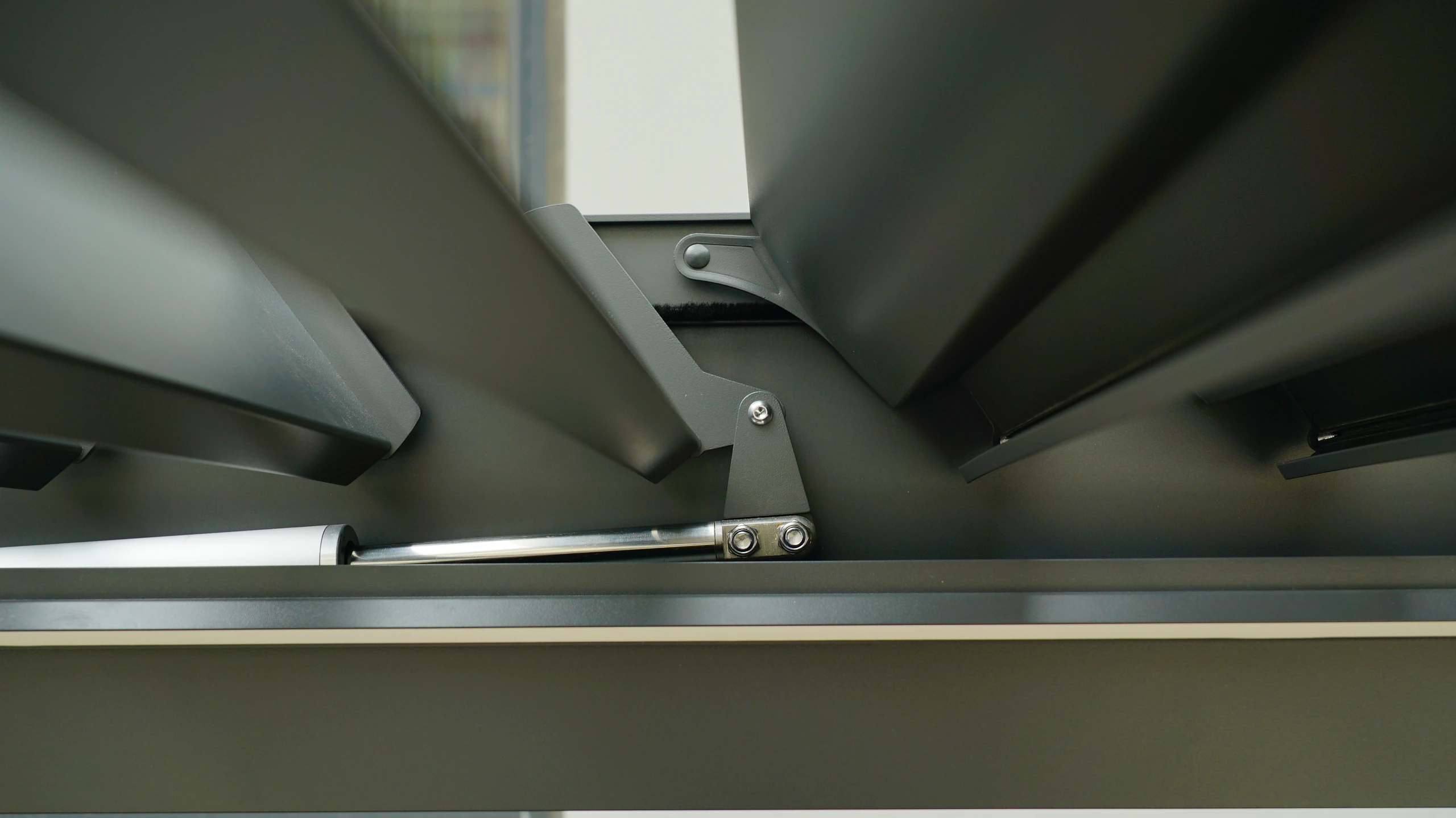
Follow the chain from weather to movement
Rain begins at the site, reaches the sensor, is interpreted by the controller and may then trigger movement. That sequence is not the same as the roof already being in its intended position before the first drop arrives. Ask which sensor and controller are included, where detection occurs and what the supplied instructions say about response. Do not assign an undocumented response time. Side-driven rain and water already on the roof remain separate considerations. A rain sensor description should therefore explain an operating feature, not promise that furniture or equipment beneath the pergola will stay dry under every condition.
Check modes and competing instructions
Some controllers distinguish automatic and manual modes or apply priorities among weather inputs. The behaviour is specific to the installed hardware and settings. A user who changes a mode for a brief activity may not realize that later rain behaviour has also changed. Ask for a state table covering rain detection, manual commands, other active protections and return to normal operation. Manufacturer manuals for other products demonstrate the need for this table but do not supply TTH settings. Keep the confirmed configuration with the handover and state which changes ordinary users are allowed to make.
A family gathering example
Imagine a family using manual mode to hold a roof position during an evening gathering. Everyone later leaves, assuming the rain sensor will manage the roof as usual. If the selected controller treats that mode differently, the expectation and actual state may no longer match. The solution is not to guess how the system works but to establish an end-of-use check based on its instructions. This hypothetical example illustrates the value of visible mode information and shared household training. It does not state that every controller disables rain sensing in manual mode.
Verify the feature during handover
Ask the installer to demonstrate the approved checking procedure and explain visible indications, maintenance access and the process for reporting a sensor fault. Record the hardware identity and current mode with the other controls. A test establishes the observed behaviour under those conditions; it does not certify all-weather protection. For a TTH enquiry, request the exact included control package before deciding that rain automation is available or suitable for the intended use. After a handset replacement, reconfiguration or addition of equipment, confirm whether the state table needs updating. An old handover may no longer describe the installed arrangement. Shared-use properties especially need a named person to confirm the final operating mode when the space is left unattended.
- Confirm the exact sensor, controller, modes and documented response sequence.
- Record priority rules and the procedure for returning to normal automatic use.
- Train all users and keep sensor inspection and fault-reporting information available.
Will a rain sensor keep everything under a pergola dry?
No universal guarantee follows from a sensor. Detection and roof movement take place through the installed control sequence, while side rain and retained water are separate issues. Confirm the exact hardware, modes, priorities and maintenance instructions, then plan protection for items that cannot tolerate moisture.
More questions, practical answers →