Retractable awning choices
An awning wind rating and a wind sensor answer different questions
Verify product limits and automatic retraction separately; a sensor does not replace the equipment instructions, site assessment or operating responsibility.
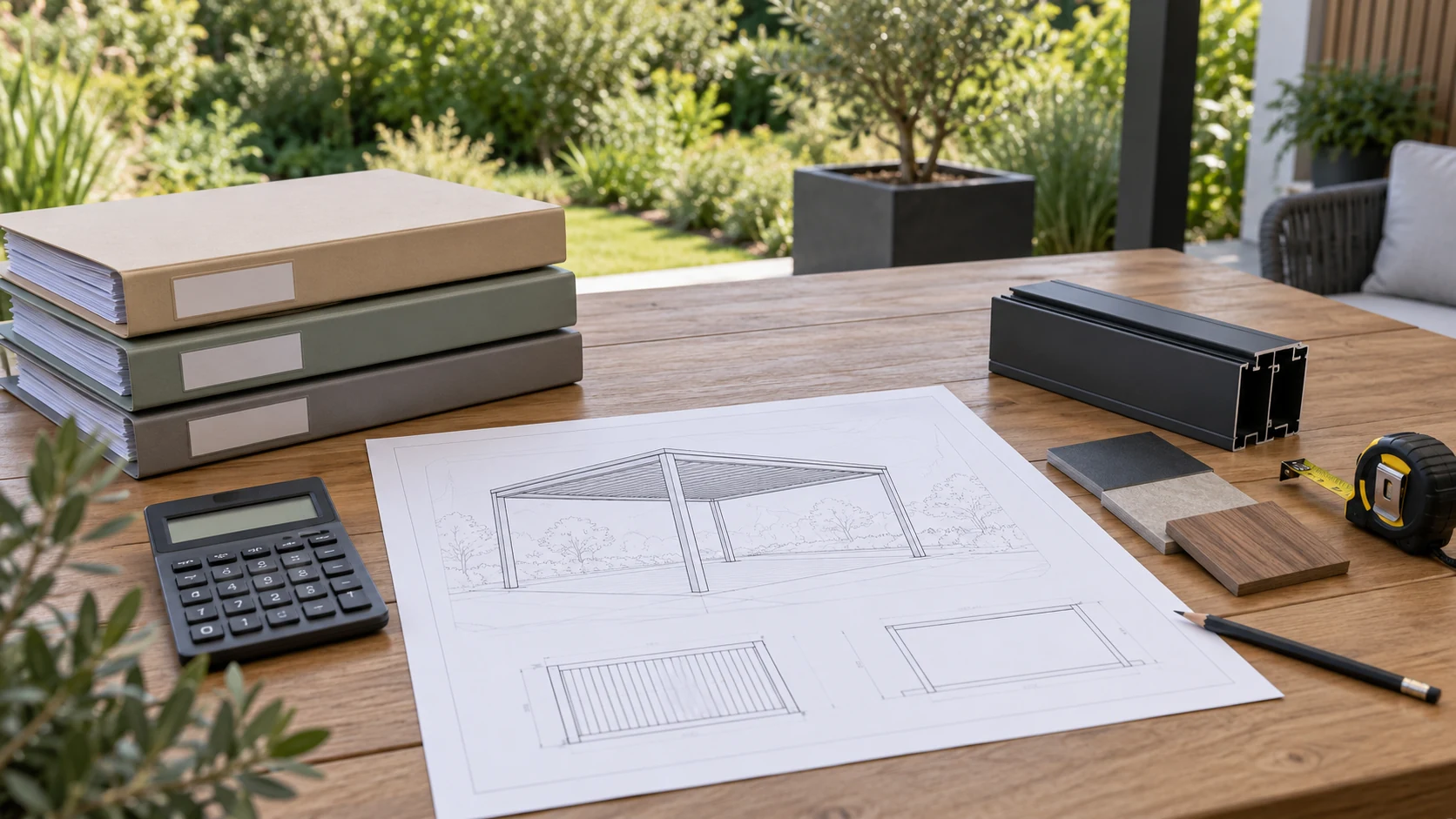
Separate product capability from a control action
A wind classification concerns a particular product under stated conditions, while a sensor belongs to the detection and control system. First request documentation for the selected model, size and installation arrangement, identifying exactly which configuration a declaration covers. Then ask what signal the sensor detects and what command follows. A wind-sensor option does not mean deployment is acceptable in every windy situation, and another model’s classification cannot be transferred. The supplier should explain how the documented conditions relate to the installation being proposed.
Ask what the sensor actually detects
Sensors may use wind speed, movement or another signal, so do not infer their behavior from appearance. Confirm the sensor model, location, power or battery requirements and compatibility with the drive and controller. Ask what happens if communication, power or detection is unavailable. Owners do not need a universal threshold copied from the internet. Configuration should follow the product documentation, with the installer explaining an approved checking method. Understanding the applicable behavior is more useful than remembering an isolated number without knowing which sensor, mounting arrangement or product it belongs to.
Include automatic retraction in the leaving routine
Imagine a family enjoying the patio before everyone leaves home. Follow the equipment instructions for the unattended state rather than assigning the entire decision to automation. Users should know how to stop use, check the area and contact support after an abnormal indication. Do not test protection by creating strong wind, shaking the mechanism or obstructing retraction. Record checks performed through manufacturer-approved methods and leave unverified behavior clearly identified. Automatic functions are useful within an explicit routine; they should not become a reason to disregard weather, people or site conditions.
Keep separate evidence for purchase and handover
List product declarations, sensor configuration and commissioning scope separately instead of accepting a vague wind-protection line. At handover, record installed equipment identifiers, the location of instructions and demonstrated control actions. Changes to motors, remotes or sensors call for a compatibility and configuration review. Compare the operating benefit of automatic control without presenting it as insurance, damage prevention in all circumstances or permission for all-weather use. Leave unsupported performance items awaiting confirmation rather than filling the gaps with a salesperson’s informal description or assumptions from similar equipment.
- Request product-limit and sensor-control documentation separately.
- Record device identifiers, power needs and compatible configuration.
- Follow the instructions for leaving the site and approved checks.
Does a wind sensor remove the need to review the awning wind documentation?
No. Detection and control do not replace the product limits for the particular model, size and installation. Confirm sensor configuration, power and loss-of-communication behavior, and follow instructions for unattended periods. Automatic retraction is not a guarantee against damage.
More questions, practical answers →