Commercial projects
Comparing rain noise under a pergola meaningfully
Distinguish recordings, listening trials and acoustic data, and compare matching roof, rain and seating conditions.
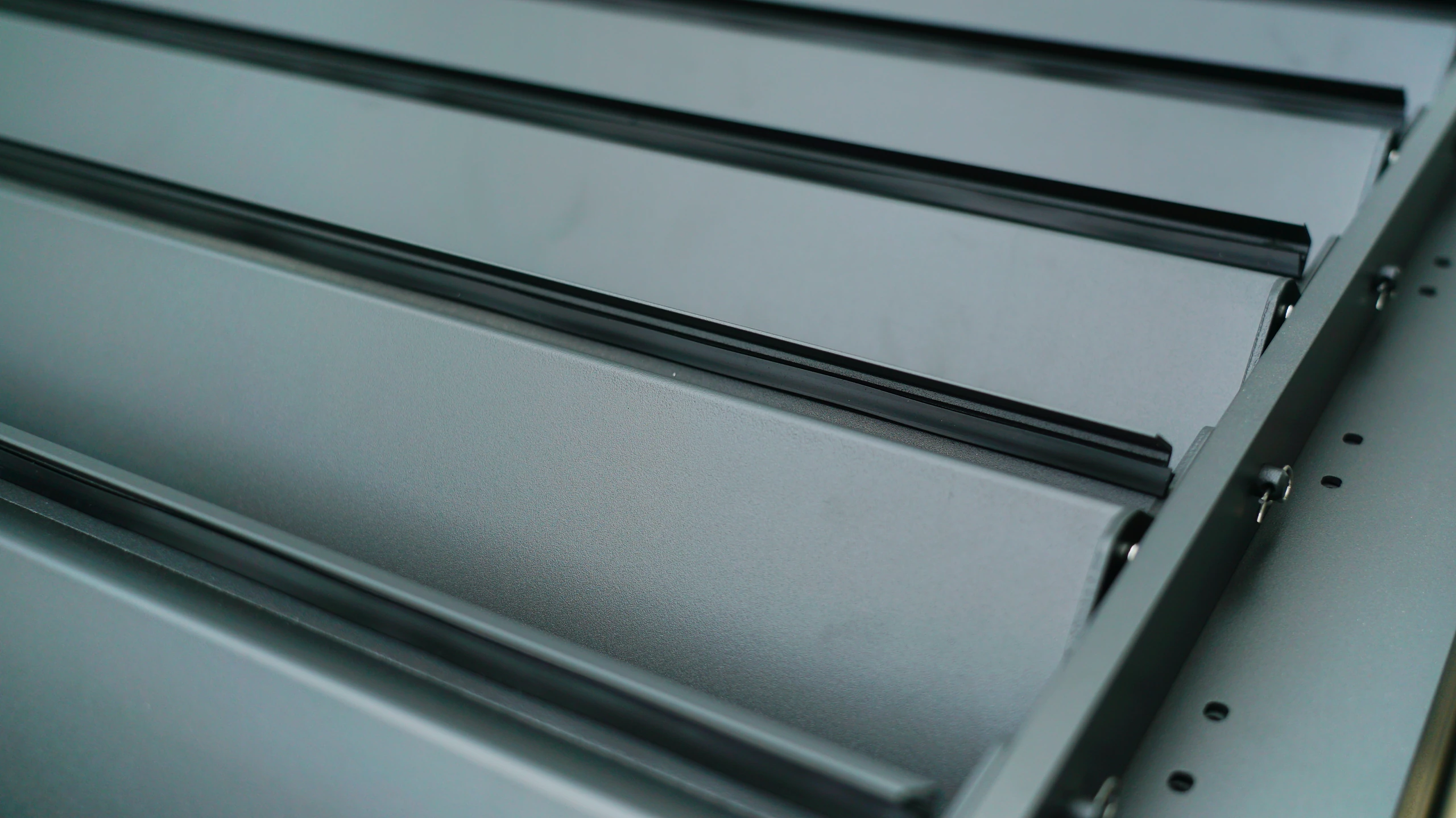
Define the activity affected by sound
A question about rain noise may really concern conversation, video calls or background music. Define the activity and seating position before asking the supplier for a judgement such as quiet. Sound accepted in a lively restaurant may be unsuitable for a reading area. Also distinguish rain striking the roof, water moving through drainage, component vibration and outside noise. These have different investigation paths, and one mixed recording cannot establish the cause.
Use phone recordings as context, not a ranking
Online clips commonly differ in microphone, distance, processing and background sound, so they cannot directly rank brands by quietness. Ask for recording position, roof configuration and rain conditions, preferably with a continuous sequence rather than a selected calm moment. A phone recording helps identify the type of sound and frame questions. Without a consistent measurement method, it does not establish a numerical acoustic difference. Projects needing acoustic criteria should have a suitable professional define measurement and acceptance conditions.
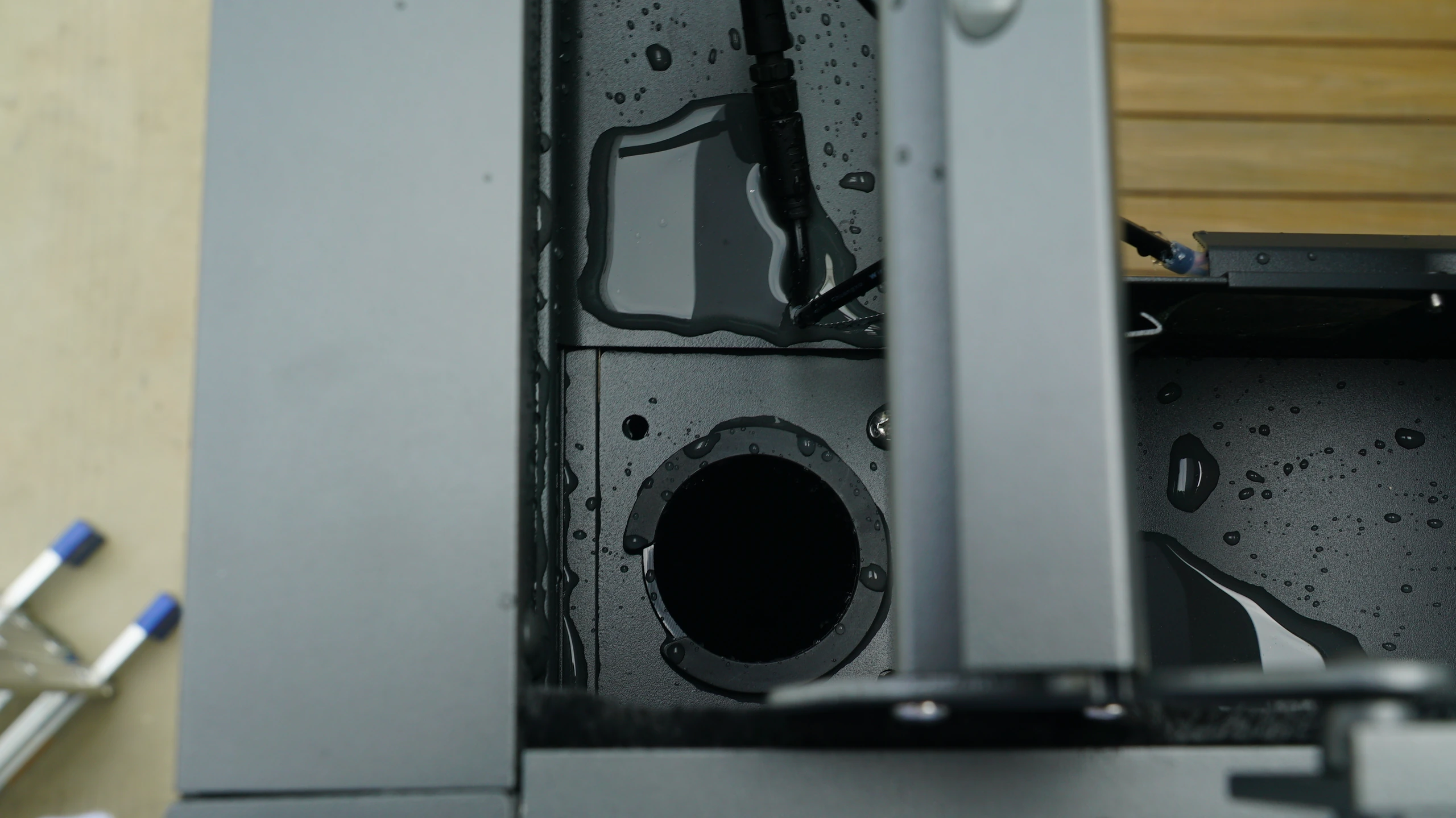
Arrange a repeatable listening trial
Record seating position, roof and enclosure states and nearby operating equipment during a trial, then attempt the intended conversation. Do not improvise high-pressure water to simulate a storm or treat artificial wetting as representative of all rain. If the supplier arranges a safe demonstration, identify its conditions and limitations. Listen near the centre, edge and drainage area to see whether a concern is localised to a component or connection rather than assessing the space briefly from the entrance.
Record unusual vibration separately
If rain is accompanied by local knocking or movement, document visible areas from a safe position, noting weather, equipment state and timing for the installer or service team. Do not insert materials, restrain louvers or modify connections to quieten them; these changes can affect movement, drainage or servicing. Separate the discussion of sound suitability for the activity from diagnosis of a possible component fault. Fixing one loose detail does not confer an acoustic rating on the complete system.
Make acceptance conditions reviewable
For dining or meeting projects, record the reviewed configuration, representative listening positions and untested conditions. If formal acoustic testing is outside scope, describe the evidence as an experience reference instead of substituting an unsupported silent-operation claim. Adding enclosures, equipment or different furniture changes the trial conditions and may require a fresh review of the intended activities.
- Record the intended conversation, meeting or resting activity first.
- Keep listening position, rain, configuration and recording conditions.
- Separate normal sound comparison from component-fault diagnosis.
Can two phone videos establish which pergola is quieter in rain?
Usually not directly: recording equipment, distance, rain, enclosures and background sound may differ. Videos help identify phenomena and questions. A useful comparison needs consistent conditions and a defined activity and seating position; acoustic specifications require a professionally established method.
More questions, practical answers →