Compact pergola living
Pergola near a dryer vent: inspect the outlet before placing seats
Map dryer-vent access and servicing before placing pergola furniture near the outlet.
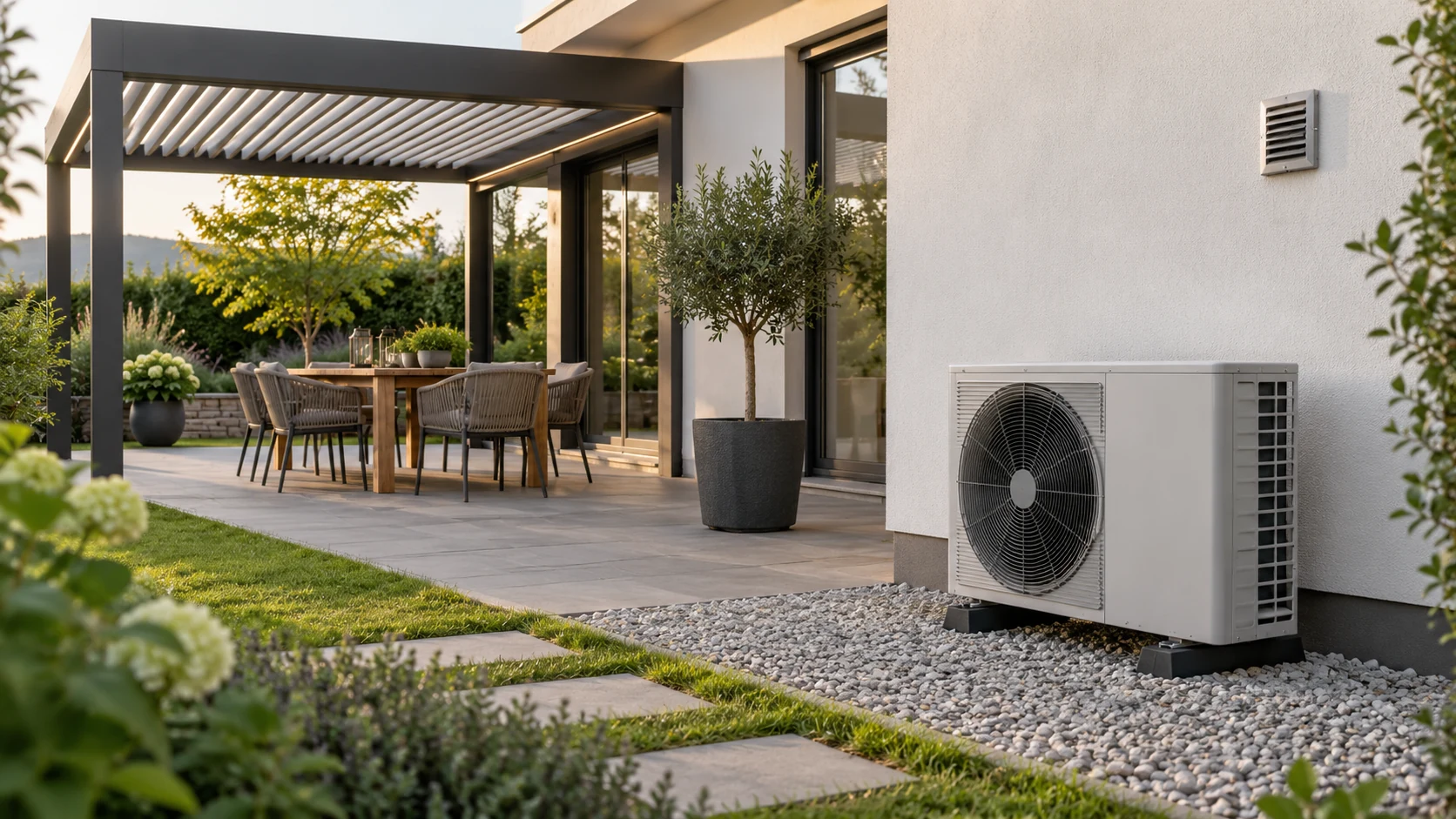
Identify outlets in the site photographs
Wall-adjacent pergola planning often notices doors and windows but overlooks a low dryer outlet. Identify the actual route and outlet, obtaining suitable help rather than guessing from a similar-looking cover. Map it with proposed posts, cabinets and seats, showing access needs. USFA dryer-safety guidance emphasizes maintenance and ventilation, providing a reason to check without replacing the actual installation instructions. Spare wall space does not justify furniture immediately beside an outlet, and a new roof does not automatically improve its operating conditions.
Decoration is not a vent-system adjustment
If the outlet conflicts with seating or appearance, involve equipment service rather than hiding it behind pots, screens or cabinets. Relevant instructions and site conditions govern required space and cleaning; one universal number is inappropriate. Do not extend, redirect or modify the vent to fit furniture without specialist review. Check operation, cleaning and repair access separately. Concealment may improve a photograph while removing an important inspection point from ordinary view, making later care more difficult even if the furnishings themselves appear neatly arranged.
Resolve equipment conditions before the seating trial
Imagine a bench back covering an existing dryer outlet. Pause that placement, obtain the required equipment conditions and compare a moved bench, different furniture or another approved arrangement. This hypothetical example provides no vent modification method and suggests no operating test under unsuitable conditions. Compare views and passage on plans or with the area clear, then trial furniture after the equipment boundary is known. This sequence avoids buying custom pieces before confronting a conflict that should have been visible during initial planning.
Include outlet access in completion checks
Retain outlet location, instructions and professional confirmation, ensuring the final layout preserves required observation and service access. After construction, remove packaging and temporary items rather than equating frame completion with complete cleanup. Explain the outlet's purpose to household members so later planters or cabinets do not reclaim it as an empty corner. Follow equipment care requirements and contact the relevant service for abnormalities; changing roof blades is not a remedy for a dryer issue. Clearly defined spaces help furniture and existing equipment coexist over time.
- Identify and map the actual outlet.
- Do not solve appearance by concealing it with furnishings.
- Have equipment personnel confirm changes and access.
Can a cabinet conceal a dryer outlet in the pergola corner?
Do not improvise concealment. Verify ventilation, cleaning and service conditions with the equipment instructions and site review. Compare furniture changes or approved alternatives with service personnel, without altering the vent or operating it obstructed as a test.
More questions, practical answers →