Installation & care
Pergola electrics: plan location, isolation and service access together
Give the electrical contractor a complete pergola equipment schedule and site plan, including wet areas, moving parts and access for future servicing.
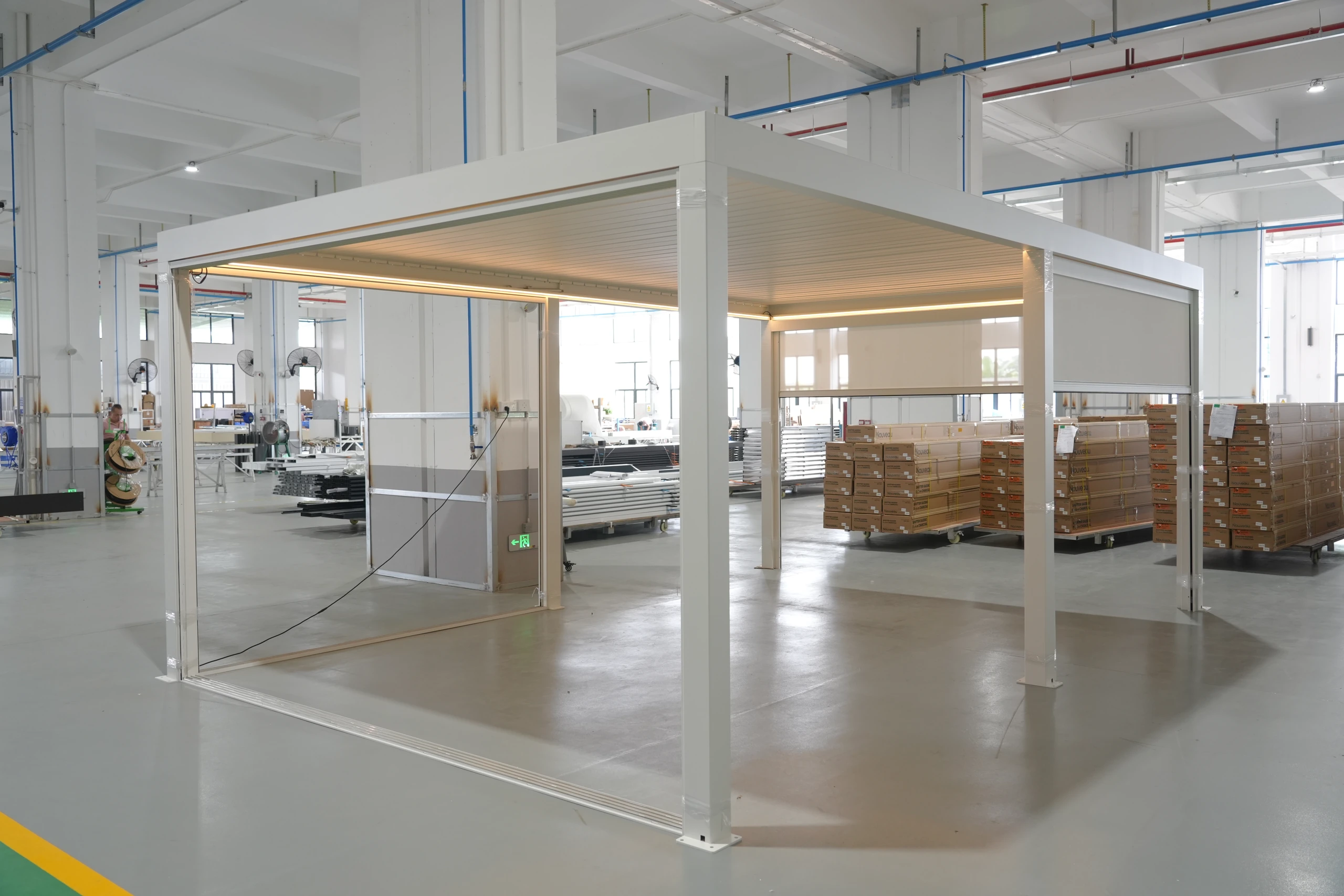
Create an equipment schedule before the cable route
A pergola project may include a roof drive, controls and separately selected lighting or other accessories. List the exact proposed equipment, its supplied electrical information and whether each item is confirmed or still optional. Give that schedule to the qualified electrician alongside the supplier's interface details. Do not select a circuit or protection arrangement from a general website description. Equipment location, wet exposure and the local installation rules all matter. Keeping optional items visible also prevents a later accessory from being added to a supply that was planned for a different package.
Show water, movement and maintenance space
On the site plan, mark roof drainage, nearby washing areas, moving screens, furniture and the positions where service personnel need access. A controller hidden for appearance may become difficult to reach once a glass panel or cabinet is installed. Ask the electrician and pergola installer to coordinate equipment siting and cable protection before finishes are closed. Outdoor suitability belongs to the exact components and installation, not simply to a label in a sales description. The plan should show how equipment can be identified and serviced without dismantling unrelated parts of the terrace.
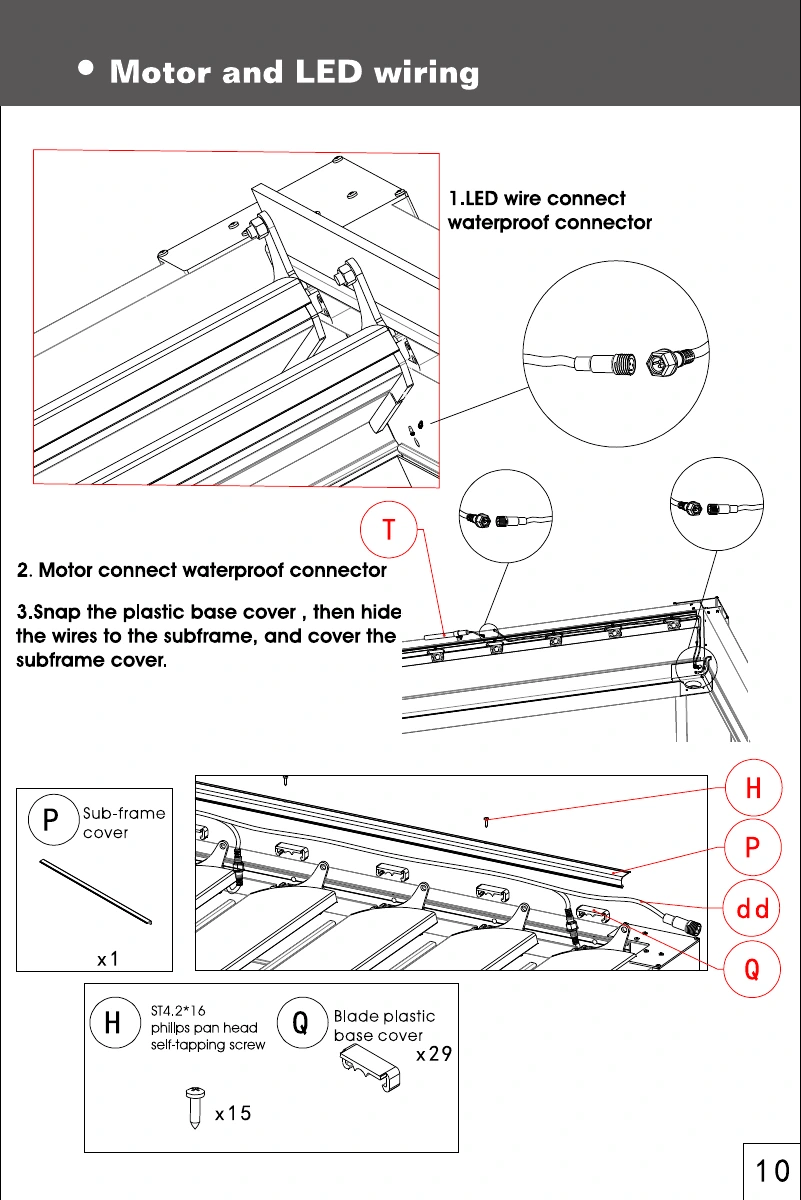
A later-accessory example
Imagine an owner approving a simple roof-control package, then adding lights and a heater after the frame is delivered. The original electrician's scope did not include those items, and the proposed control enclosure is now behind a storage cabinet. Treat the additions as a revised electrical brief rather than assuming a spare socket settles the issue. This example does not prescribe electrical ratings or clearances. It illustrates how equipment changes affect supply review, placement, user instructions and service access, even when the aluminum frame itself is unchanged.
Make isolation and records understandable
Ask the electrician to identify the relevant supply and explain the user-facing isolation procedure, where applicable, without requiring anyone to open electrical enclosures. Keep test and completion documents required for the installation, equipment identities and service contacts together. Users should know which observations call for stopping use and contacting qualified help. For a TTH enquiry, provide the complete desired accessory list early so the supplier's information and the local electrical work can be coordinated before production and site finishes are fixed. Pass these records to a new property owner or venue manager as part of the handover. Leaving only a remote control gives the next user little understanding of the supply behind it or the person responsible for service, even if the roof still operates normally.
- Provide exact equipment identities and distinguish confirmed from optional items.
- Coordinate water exposure, moving parts and service access on the plan.
- Retain the electrician's relevant completion records and user instructions.
Is an outdoor socket enough to prepare for a motorized pergola?
Not necessarily. The actual roof drive, controller and accessories determine the electrical brief, together with location and local requirements. Give the equipment schedule and site plan to a qualified electrician to coordinate supplies, protection, isolation and service access. Do not infer suitability from a socket alone.
More questions, practical answers →