Buying guides
Specifying several pergolas in one project
TTH Pergola pergola installation guide: use unit identifiers and shared specifications without losing site-specific differences.
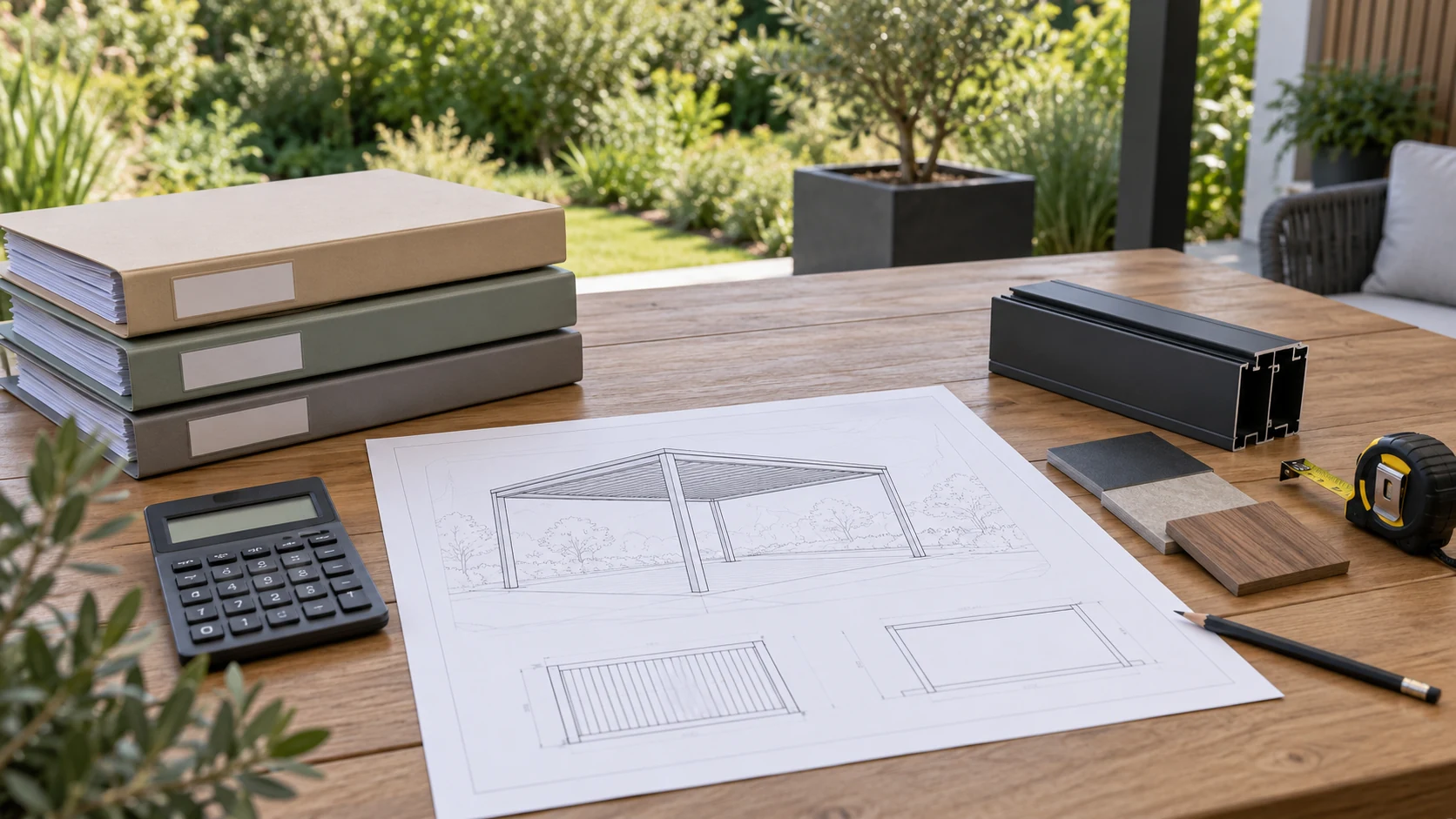
Treat repeated units as related records, not identical assumptions
A project with several pergolas can benefit from a coordinated appearance, yet the locations may differ. One unit might sit beside a wall, another near a change in ground level and another beside a busy route. Copying the first specification across the project can hide these differences until installation. A unit schedule makes the common choices and local variations visible.
For TTH Pergola procurement, give every unit an identifier and use the same fields for dimensions, finish, accessories and site notes. Refer to that identifier on plans, photographs and packing discussions. The family information on tthpergola.com provides a consistent product reference, while the unit schedule records what is actually required at each position. Changes should update the relevant unit rather than create an ambiguous message about the whole order. This approach is particularly useful when items are delivered or installed in stages. It preserves a common design language without pretending every site condition is identical, and it gives the receiving team a clear way to match the supplied parts with their intended destination.
Give every unit an identity
A project with several pergolas needs a clear schedule, even when the units look similar. Assign an identifier to each location and record its exact model, dimensions, finish and accessories. Separate genuinely shared specifications from local differences such as height, drainage or access. This avoids assuming that one approved drawing covers every unit when the surrounding conditions differ. A simple location plan helps everyone connect the schedule with the physical site.
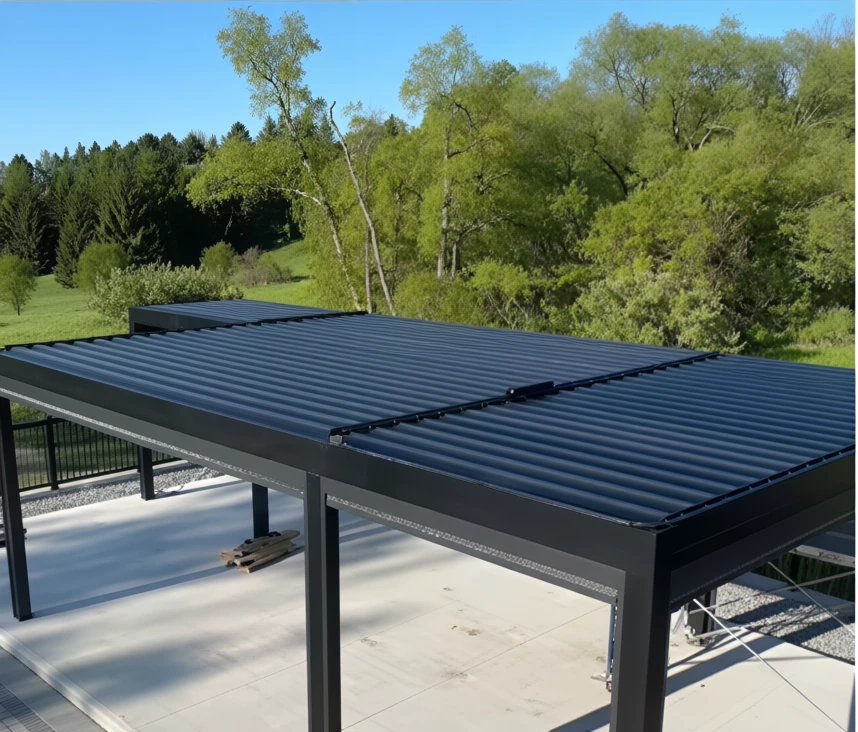
Keep revisions controlled
When one unit changes, identify whether the change applies only there or across the whole project. Update the relevant drawings and schedule together. Ask the supplier how packages and components will be labelled so the installation team can keep units organized. Do not rely on colour or appearance alone to identify parts. Clear records are especially important where several profile models share a similar overall design but use different component dimensions.
Coordinate delivery with the site sequence
Plan which locations will be ready first and how deliveries will be inspected and stored. Confirm whether staged delivery changes packing or transport arrangements. Keep installation responsibilities, completion records and outstanding items associated with each unit rather than one general project note. A consistent schedule makes repeat decisions easier while preserving the differences that matter, helping the team avoid both unnecessary duplication and accidental assumptions about interchangeability. Before packing or dispatch, ask how the unit schedule will be matched to the shipping documents so a location-specific accessory is not separated from its intended installation.
- Assign unit IDs before requesting quotations.
- Record shared and location-specific details separately.
- Keep drawing revisions and delivery labels aligned.
Can units with the same model have different specifications?
Yes. Dimensions, finishes, side accessories and project details may vary. Record the actual configuration for each unit instead of using the model family name as the complete order description.