Trade & procurement
Connect the pergola BOM, packing list and assembly drawings
Map pergola components across the bill of materials, packing list and assembly drawings to support receiving, installation and replacement.
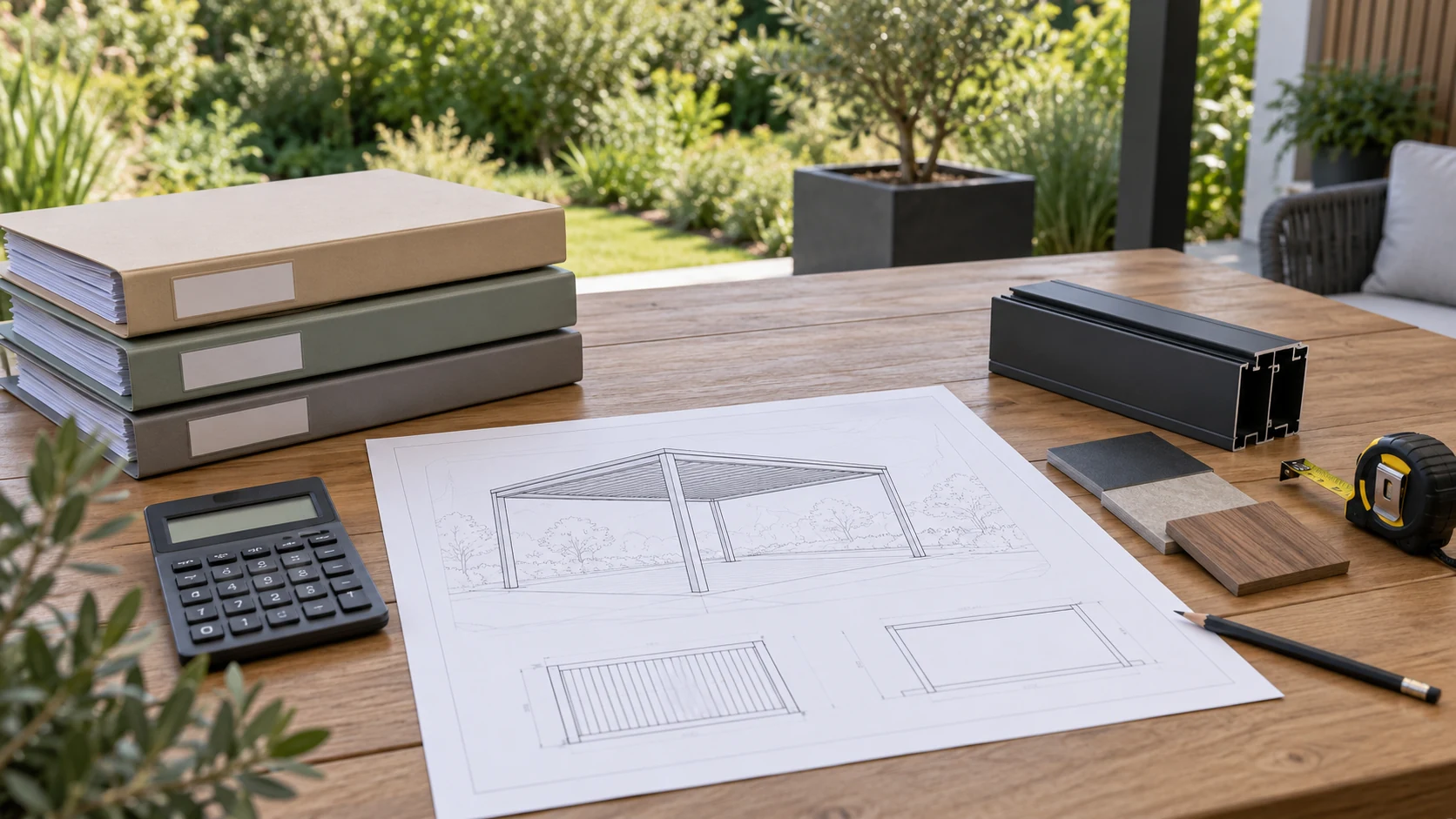
Understand the three different questions
A pergola's bill of materials, packing list and assembly drawings can all mention parts, but they serve different tasks. The BOM describes components and quantities for the configuration; the packing list locates them within packages; drawings explain position, relationships and confirmed assembly requirements. One document alone may leave the crew unable to identify a component.
A BOM listing four end caps without package references can force receivers to open every crate. A drawing without corresponding part IDs may leave installers confusing similar left- and right-hand pieces. The problem is not the length of the documents but the absence of a shared identity.
Standardize the key names and references
Prioritize orientation-specific parts, similar-sized components, controls and items that affect installation sequence. Use the same names and references on drawings, including necessary left-right, front-rear or revision distinctions. Separate quantities per kit from totals for the entire order so an aggregate number is not mistaken for each unit's allocation.
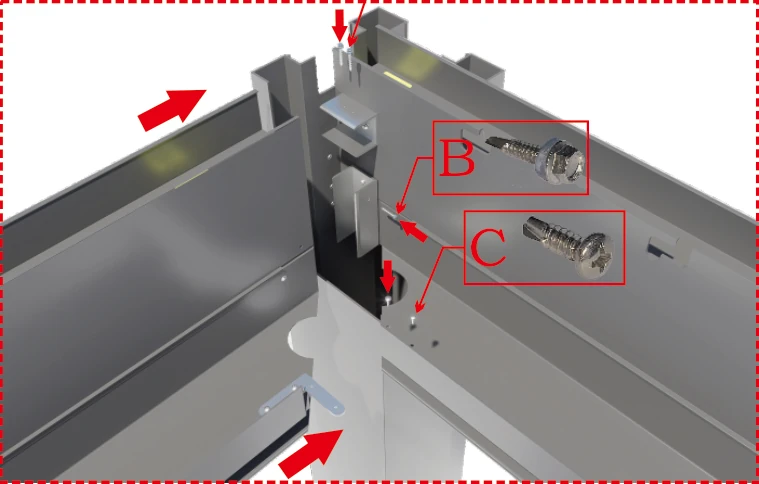
Fasteners may be grouped by step or location, but each group needs defined specifications and counts instead of an unexplained bag of screws. Keep units consistent: pieces, groups and kits are not interchangeable. If a part is split across packages, show each quantity and reconcile their total with the BOM.
Check the map through a real receiving sequence
Suppose the first assembly step needs bases and fasteners packed beneath finishing pieces in a long crate. Every quantity can be correct while the crew still faces additional unpacking, handling and temporary storage. Reviewing packing against assembly sequence reveals this inconvenience early and helps determine whether to regroup items or improve external labels.
At delivery, count packages first, then inspect contents according to the receiving plan and link discrepancies to part references. A part absent from one crate is not necessarily missing from the shipment. Equally, do not postpone all small-parts checks until installation is halfway complete. Focused checks before dependent work preserve more options.
Update all three documents after a change
After an accessory, opening or control change, verify that the BOM, packing list and drawings still describe the same configuration. Updating only one can produce correct goods with wrong instructions, or correct instructions with missing packaging contents. Identify the order and revision on each document.
Retain the linked set at handover. A future request can move from installed position to part reference and then to the order record. Even a supposedly generic substitute requires confirmation of specifications and suitability; a matching name alone is insufficient.
- Align part names, references, orientation and units.
- Reconcile per-kit quantities, order totals and package allocation.
- Review installation sequence and synchronize every change.
Do I still need a BOM if the packing list is complete?
Check whether the packing list can be reconciled with everything the configuration requires. It describes packed contents, while the BOM describes expected contents. Connect them through part IDs and quantities, then use the drawings to check placement. That makes omissions, duplication and revision mismatches easier to find.
More questions, practical answers →