Installation & care
Long pergola spans: ask about movement and accessory fit, not only strength
Separate structural strength from serviceability when reviewing long pergola openings, roof alignment and the fit of screens or glass systems.
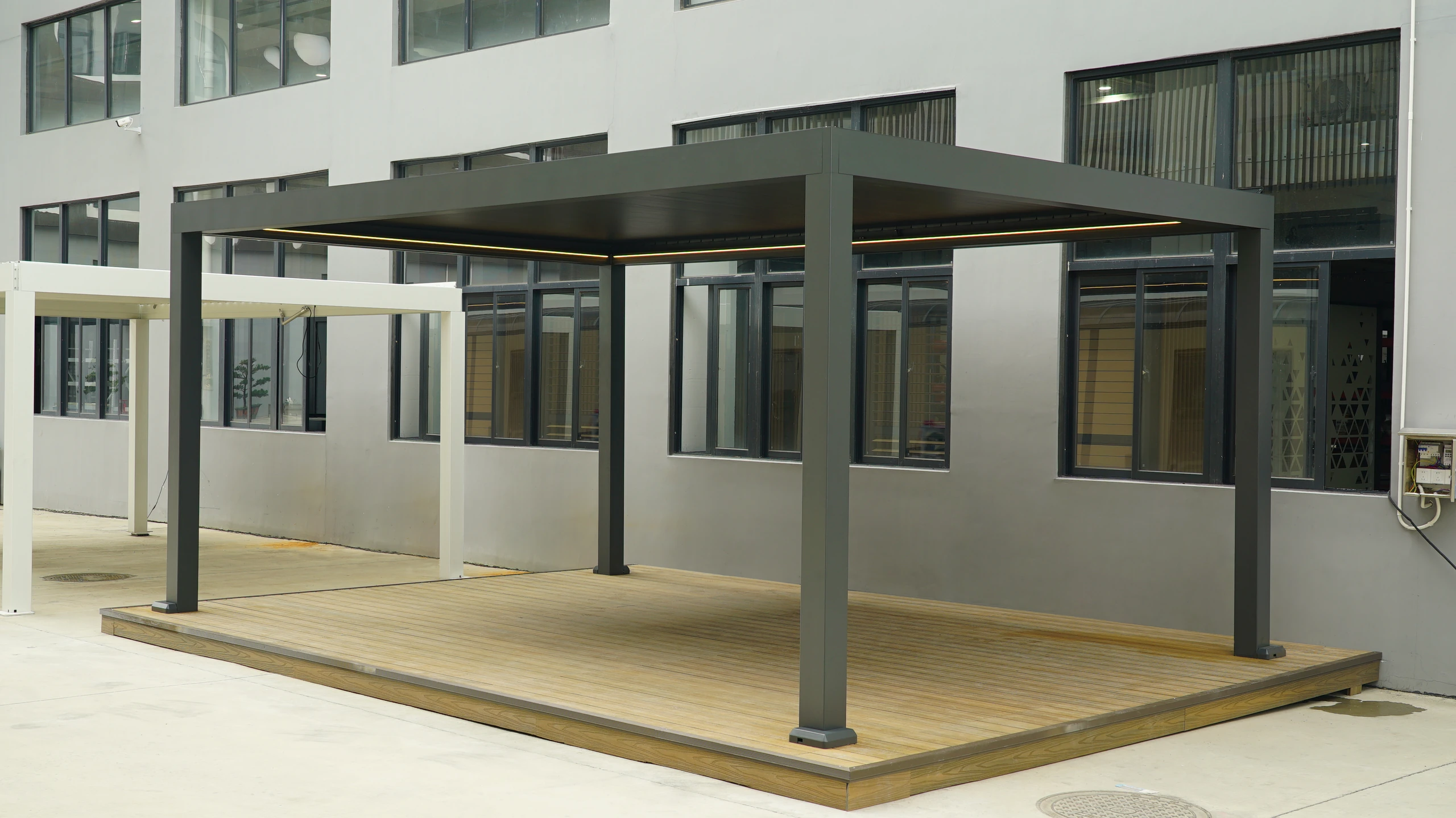
Understand the two questions behind a span
A structural strength check asks whether the proposed arrangement can resist the relevant actions. A serviceability review asks how it behaves in use, including movement and alignment. These are related but different questions. A long pergola beam may look visually light, yet appearance alone says nothing about either check. Ask the responsible designer which configuration, supports and loading assumptions were reviewed. A headline span number without those conditions is difficult to apply to a real patio, especially when the proposed side accessories differ from the arrangement used in the supporting documents.
Bring screens and glass into the same review
Screens, glass tracks and roof mechanisms have their own alignment and installation requirements. The frame and the accessory cannot be selected as unrelated items merely because their nominal widths match. Ask how the reviewed frame behaviour relates to the accessory manufacturer's permitted installation conditions. The answer may affect module layout, support positions or the choice of side system. Do not translate a general deflection rule from another material or building type into a pergola tolerance. The useful comparison is between complete configurations with documented interfaces, not between isolated beam dimensions and a separate accessory catalogue.
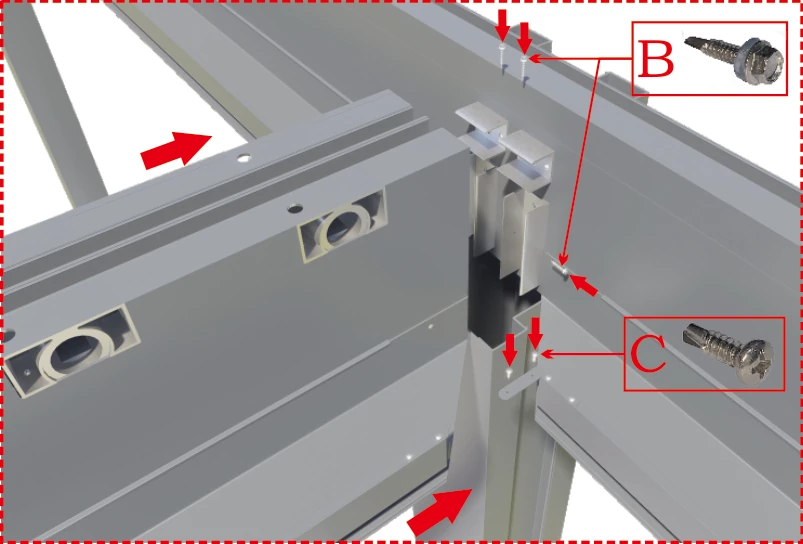
A wide dining opening example
Imagine an owner choosing the widest possible opening to keep a dining view uninterrupted, then adding sliding glass to the same side. The glass installer requests information about the supporting frame's behaviour that was never included in the initial quotation. Resolving the question late may change the preferred opening or delay the accessory order. Comparing an uninterrupted opening with a coordinated modular option earlier would make the tradeoff visible. This planning example does not say that a wide opening is unsuitable. It shows that the desired view, structure and enclosure should be assessed as one proposal.
Ask for a configuration-specific answer
Provide the intended clear opening, roof arrangement, support positions and every planned side accessory. Ask which documents address strength and which address usable alignment, then record any conditions attached to the conclusion. Keep the final accessory detail with the frame drawing. Owners should not judge movement by a photograph or an improvised loading demonstration. If visible changes or binding appear after installation, document them from a safe position and have the responsible team investigate before attempting adjustments. Record the weather, operating state and exact location when reporting a visible change. That information is more useful than saying only that a beam looks slightly bent. It gives the reviewer context without asking the owner to decide whether the observation meets an engineering criterion.
- State the actual clear opening and complete accessory configuration.
- Request separate confirmation of strength and serviceability assumptions.
- Keep frame, side-system and installation-condition records together.
If a pergola beam is strong enough, will every screen or glass system fit?
No. Accessory fit also depends on alignment, movement, opening geometry and the side system's installation conditions. Review the complete configuration and its interfaces rather than matching nominal widths alone. A change in side enclosure may require another check even when the original frame dimensions stay the same.
More questions, practical answers →