Retractable awning choices
Coastal awning care: ask separate questions about fabric and mechanisms
Confirm care separately for fabric, finishes, moving parts and connection areas; a coastal setting does not justify one generic wash routine for the whole system.
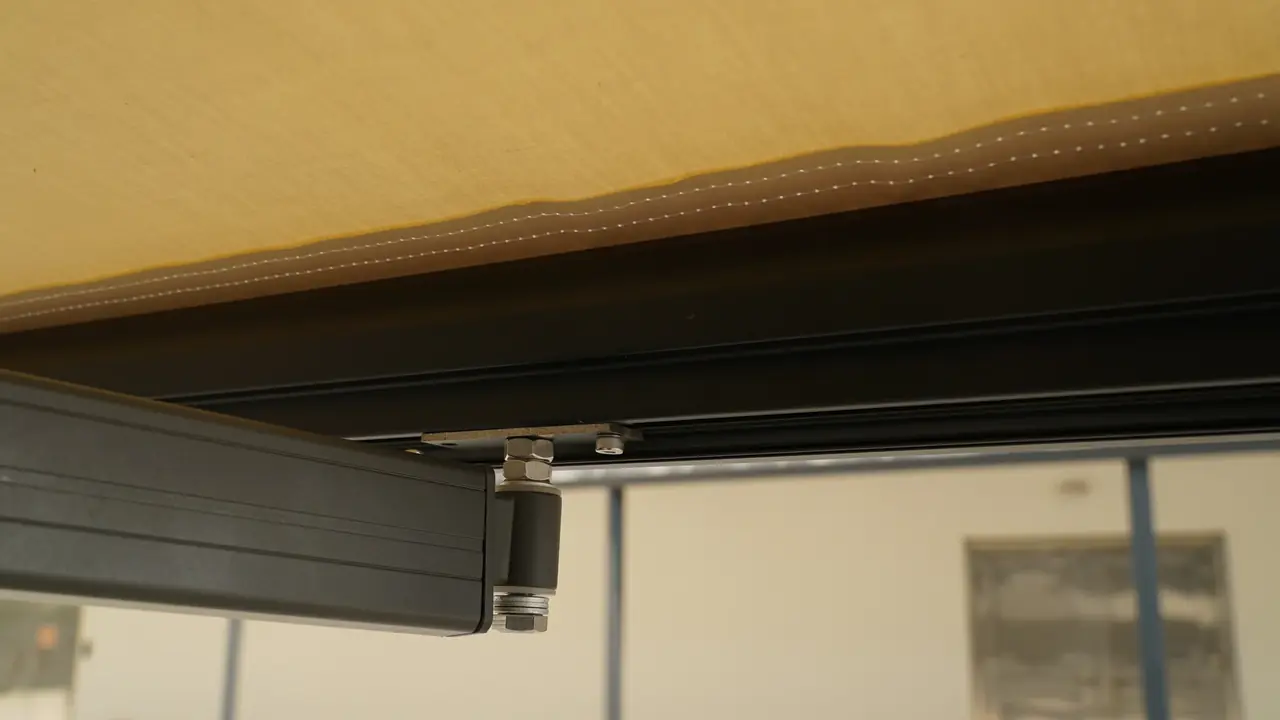
Describe the actual exposure setting
For a coastal home, describe equipment position, surrounding shelter, use seasons and available servicing rather than only naming the coastal city. Exposure and access differ between sites, so another property’s cleaning schedule is not automatically applicable. Suitability needs documentation and assessment for the selected configuration, not an assumption from a metal or fabric label. Separate known surroundings from unknown conditions and ask the supplier to explain applicable care requirements. A broad coastal-resistant phrase should not conceal the details that determine how this installation will actually be maintained.
Fabric and moving components are different care subjects
Fabric may have its own cleaning, rinsing and drying instructions, while finishes, connections and moving mechanisms need equipment guidance. Do not spray a textile treatment into drive ends or every gap, or copy another pergola category’s maintenance wholesale. Confirm owner-permitted tasks, service-only access and suitable tools separately. Electrical controls introduce their own work arrangements. Organize the checklist by component and task instead of one vague regular-washing instruction, allowing the next person to understand what may be handled and what requires a provider’s involvement first.
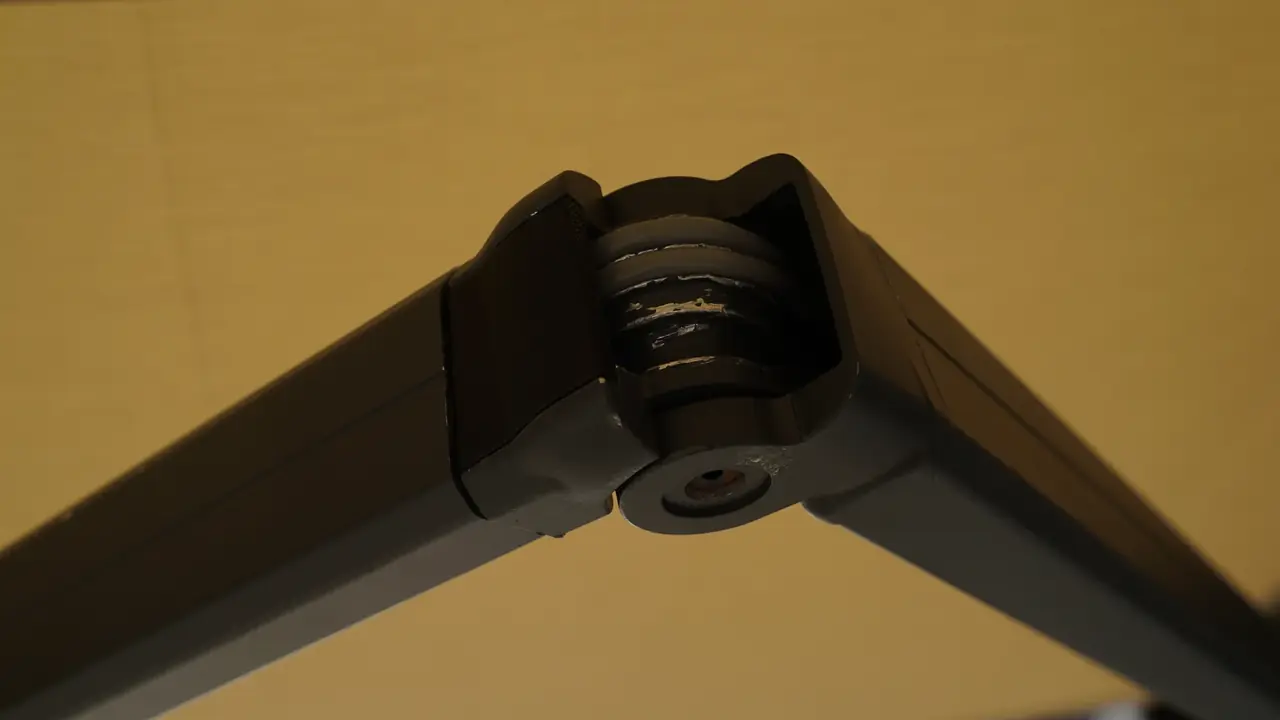
Assess the schedule alongside available attendance
A seaside holiday home occupied only seasonally needs a realistic plan for unused periods and reopening before equipment is purchased. Do not select a system requiring attendance while leaving responsibility to an occasionally passing neighbor. Ask providers what checks and cleaning they perform, how results are recorded and how abnormalities are escalated. Compare costs on defined scope. If guidance is conditional, ask how it applies to this site rather than inventing a diligent-looking interval. A schedule matters because suitable tasks are completed, not because a calendar contains many reminders.
Record appearance changes and operating abnormalities
From safe ground observation, record marks, surface changes or unfamiliar sound with dates and recent maintenance. Do not immediately diagnose corrosion or dismiss everything as normal. The provider can assess the actual materials and equipment. Avoid abrasive work, unknown coatings or excessive lubricant to conceal symptoms, and do not disturb tensioned mechanisms. Retain methods, findings and outstanding items after service. Coastal procurement should focus on applicable evidence, achievable care and defined support, not unverified salt-spray figures, permanent corrosion resistance or zero-maintenance promises.
- Describe actual exposure and available service attendance.
- Check fabric, finish, mechanism and connection requirements separately.
- Record changes and service results instead of masking abnormalities.
Is regularly rinsing the entire awning enough for coastal care?
One action cannot replace the instructions. Fabric, finishes, mechanisms and electrical-related areas may require different methods and responsibilities. Establish a model- and site-appropriate arrangement, including attendance at empty properties. Record changes and seek advice instead of treating unapproved rinsing, coatings or lubrication as universal solutions.
More questions, practical answers →