Technical questions
Fixed side louvers: manage sightlines without a moving screen
TTH Pergola pergola screens guide: compare fixed louver orientation, openness and maintenance in a pergola side design.
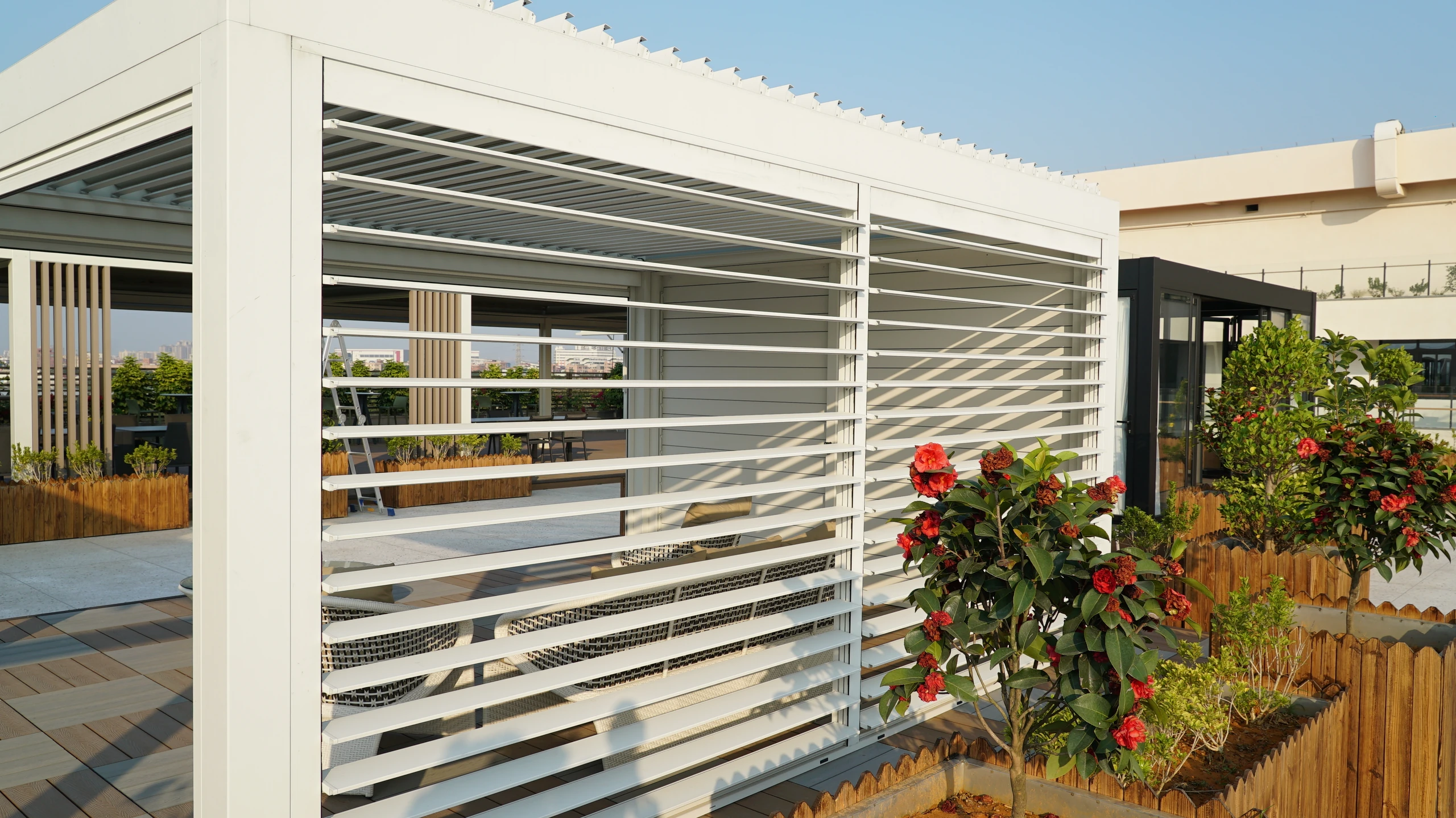
Fixed side louvers manage a view through geometry
A fixed louver screen changes what can be seen through its arrangement rather than through daily opening and closing. The spacing, angle and viewing direction all affect the result. A screen that looks quite open from one position may appear more closed from another. This makes viewpoint testing more useful than judging only a straight-on image.
For a TTH Pergola side design, identify the view to preserve and the view to limit. Consider both seated and standing positions, as well as the relationship to nearby planting or walls. The side-product examples on tthpergola.com can help explain the visual language, but the actual arrangement should be checked for the site. Fixed elements may provide a consistent appearance with a different user experience from a movable screen. They still need coordinated connections and a plan for cleaning access. The right choice is the one that supports the desired outdoor room, not simply the one that appears most private in a single photograph. A small sample or a clear drawing can make the geometry easier to discuss before committing to a full side.
Start with the view you want to change
A fixed louver side can influence the appearance and openness of a pergola without operating like a retractable screen. Identify the sightline or visual edge you want to manage, then ask about the available arrangement. Do not assume that a louver image proves a particular privacy or shading level. The effect depends on the actual geometry, viewing angle and light, so the specific product information matters.
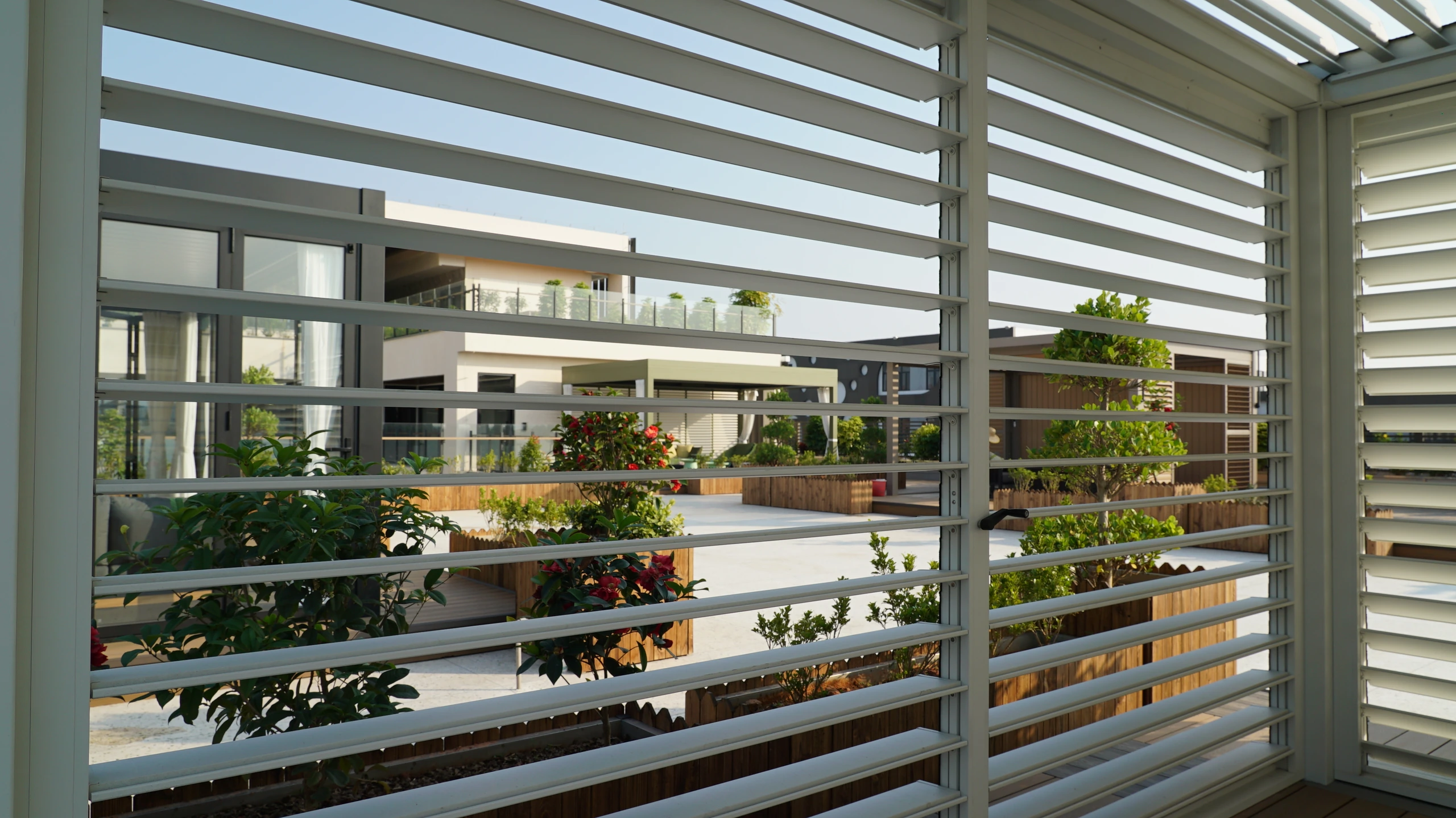
Review the permanent footprint
Because the panel is fixed, consider what access it removes as well as what it adds visually. Check furniture movement, cleaning and the route around the pergola. Ask how the panel interfaces with the selected frame and which fixing details need confirmation. A fixed element should not be added to a drawing as decoration if it changes a doorway or obstructs maintenance. Evaluate the entire side elevation before approving it.
Compare alternatives against the same need
If occasional openness is important, compare the fixed option with the available movable solutions rather than assuming either is universally better. Use the same opening and intended sightline for the comparison. Request dimensions, finish options and care guidance for the proposed panel. Keep the final choice linked to a practical goal such as defining a boundary or moderating a particular view, while preserving the access and openness needed elsewhere. Where a fixed panel sits near planting, review the space needed for both plant care and panel cleaning so the finished boundary remains manageable after the garden grows.
- Identify the target sightline.
- Check access lost to the fixed panel.
- Confirm frame compatibility and maintenance needs.
Do fixed louvers look equally private from every angle?
No. Their visual effect depends on the geometry and viewpoint. Review the angles that matter at the actual site rather than assuming the front-view photograph describes every line of sight.