Large pergola projects
A farm crew rest pergola: coordinate a fixed point with moving work
Reassess access to a fixed crew rest pergola as agricultural work locations change.
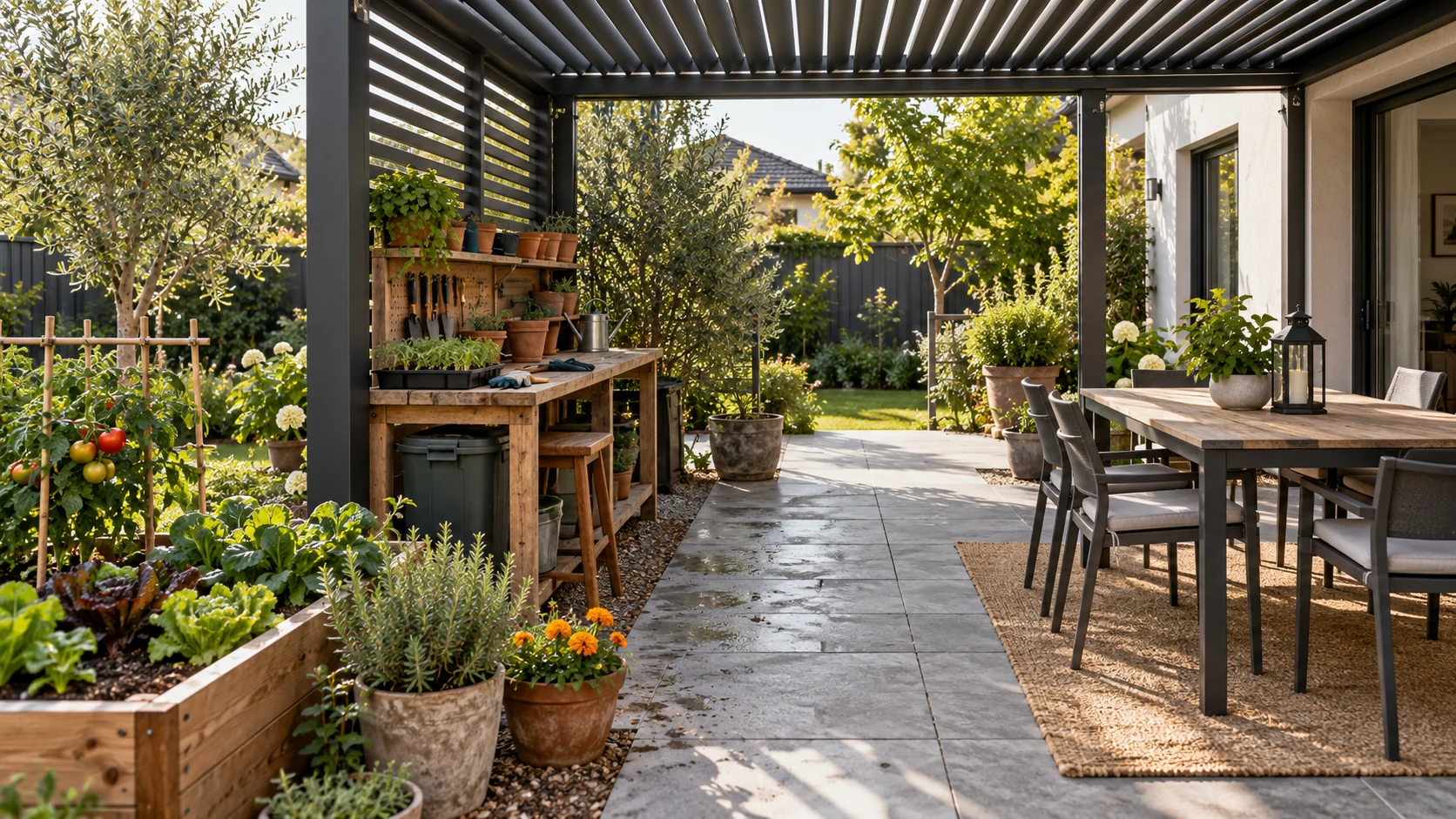
Start with work locations rather than the site centre
Do not select an agricultural crew rest pergola solely from the map centre or an unused plot. Record seasonal work locations, arrival methods and who prepares the rest service, then assess the fixed point against actual tasks. This guide addresses location and handover, not medical heat-prevention benefits or weather-protection guarantees. Responsible personnel confirm applicable rest and workplace arrangements locally. A large pergola may be one facility, but planned access, use and return to changing work locations require an operating arrangement beyond completed structural installation.
Map access and seasonal changes together
Map work areas, the rest point and reviewed arrival arrangements, including temporary operations or storage that alter them. Assess access locally instead of applying foreign guidance as a local conclusion. Any transport support needs its own responsible plan; a straight-line distance is not the real journey. Assign furniture, belongings and service receiving too. Reassess changes to crews, roles or hours. The roof may stay in one place while the operating conditions that make the rest arrangement practical change through the season.
Test a move to another work area
Suppose a crew moves to a more distant work area while the fixed pergola remains intact. Review the rest arrangement and support instead of asking workers to find their own shortest path. A tabletop exercise can check current guidance, access ownership and the destination when the facility is unavailable. Alternatives must suit actual conditions; an ordinary open pergola is not automatically a safe severe-weather refuge. Structural condition confirms only one element, not continued suitability of the complete work-and-rest arrangement after the activity moves.
Include current conditions in shift handover
Retain the served work area, arrival arrangement, facility readiness and alternative contacts, updating changes promptly. Record specific locations and tasks behind feedback for review. Confirm product condition and rest-service readiness separately. Describe installed facilities without unsupported health or productivity outcomes.
Even a brief work-location change needs receiving and restoration conditions. It may require only concise instructions, but short duration is not a reason to omit guidance and responsibility. The fixed investment remains useful through an arrangement that acknowledges changing work.
- Assess the rest point against seasonal work areas.
- Review actual access and supporting arrangements.
- Use reviewed alternatives when the facility is unavailable.
Does a completed farm rest pergola need review when work locations change?
Yes. Review access, service readiness and alternatives for the new work area. Structural condition and map distance are insufficient. Confirm current guidance through the responsible team without assuming severe-weather refuge or medical heat-prevention performance.
More questions, practical answers →