Large pergola projects
Estimate the running energy of accessories in a large pergola
Estimate accessory energy from actual power and operating hours, then apply the relevant tariff without confusing it with electrical design.
List the equipment before guessing the bill
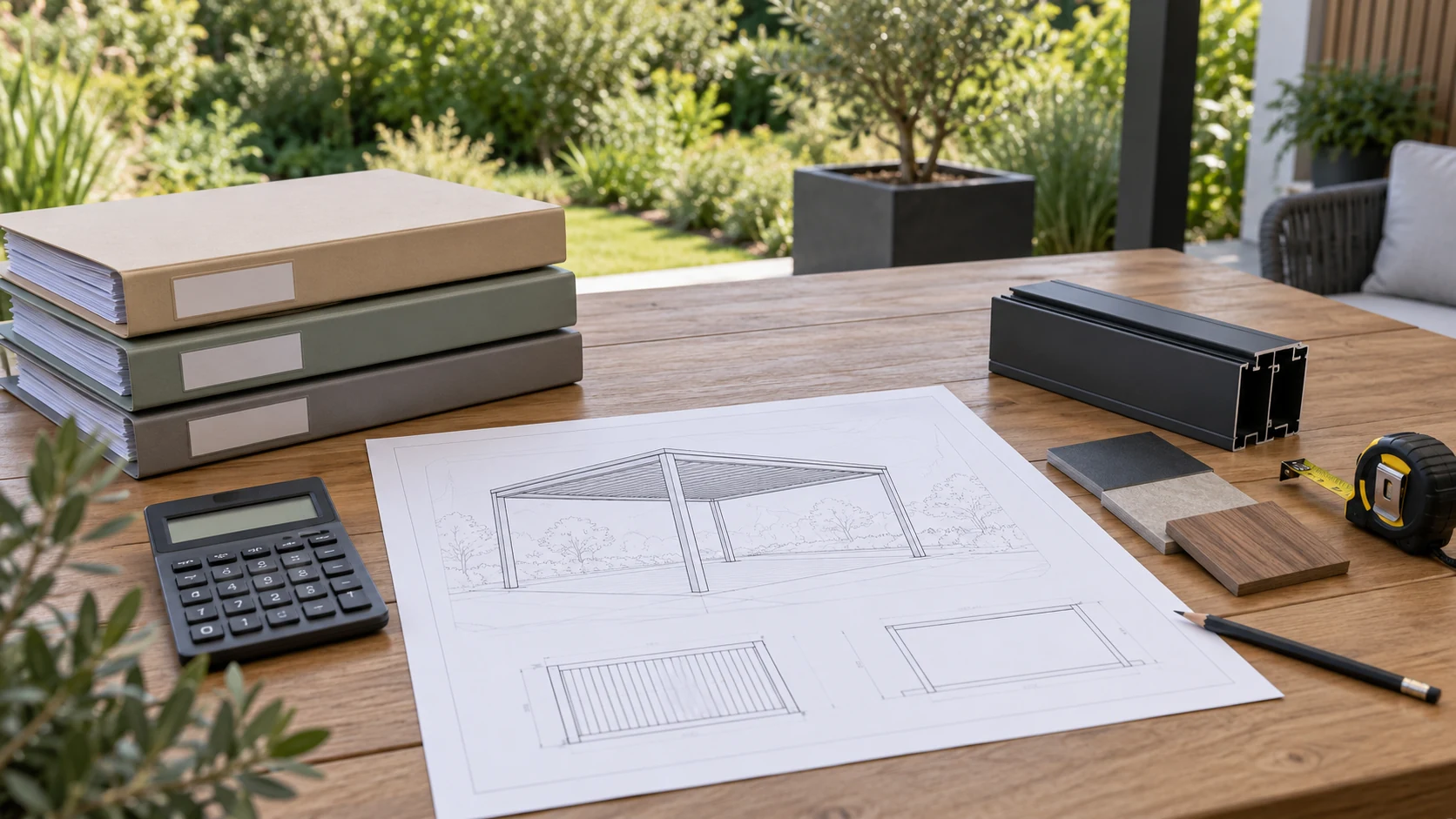
Two pergolas of the same size can have very different electricity use if one only has lighting and the other adds fans and other equipment. List actual proposed accessories, model information, power data and expected schedules, leaving undecided items open. U.S. Department of Energy educational material explains the relationship between power, time and energy, but its example appliances are not your order. Do not invent missing motor or lighting figures. Start with relevant labels, manuals or appropriate verified measurement so the estimate has a traceable basis.
Multiply power by time and account for operation
For equipment operating at a stated power, multiply watts by operating hours and divide by one thousand to obtain kilowatt-hours. Calculate each device separately, add the results and apply the relevant electricity tariff. Dimming, fan settings and intermittent operation mean maximum label power may not represent the whole period. Standby or control equipment may need separate entries. Time-dependent tariffs also require matching use to the applicable rate. This is a budgeting calculation, not a method for sizing circuits, selecting protection or deciding whether devices may share an outlet.
Check the method with an explicit example
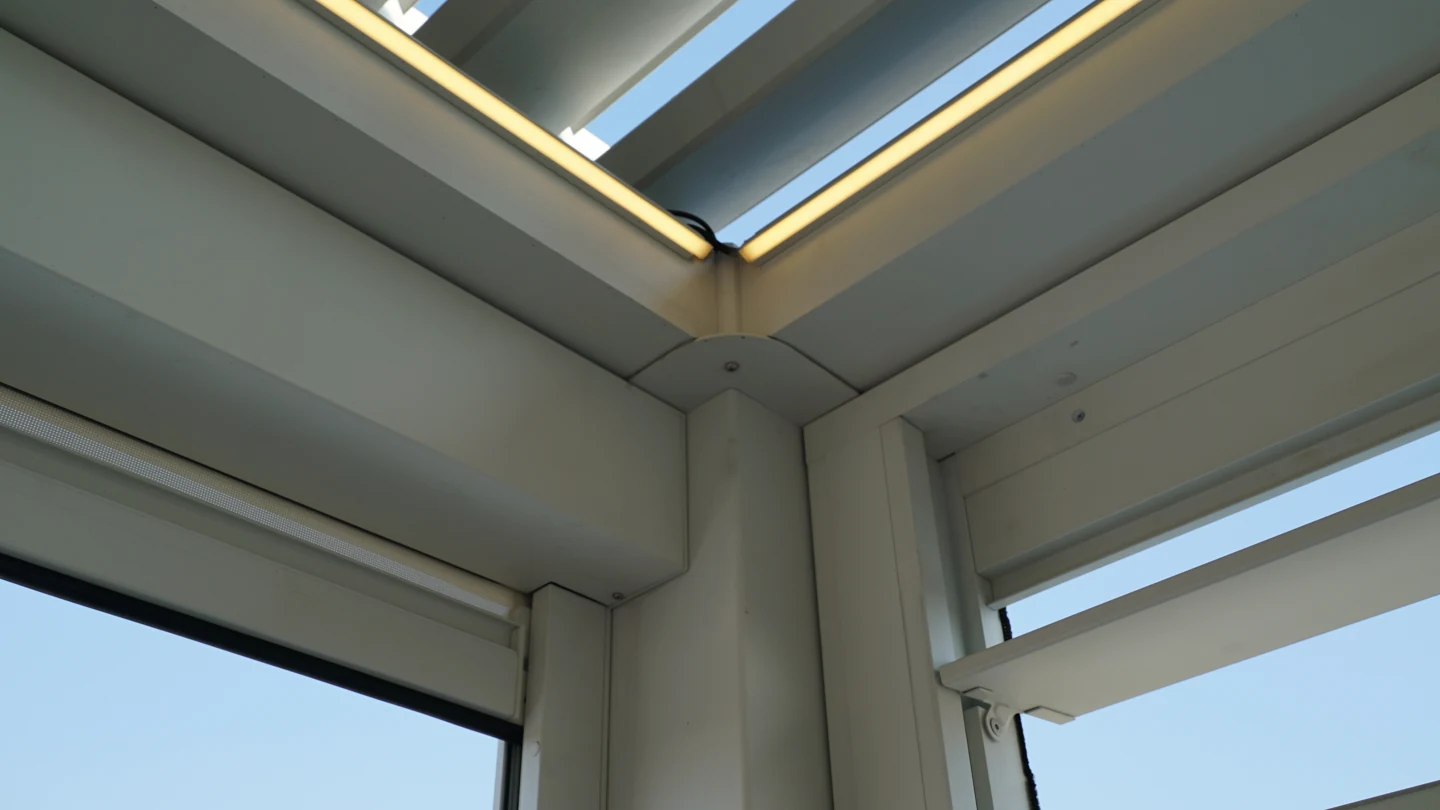
As an arithmetic example only, imagine lighting totalling sixty watts used four hours per day on twenty days in a month. The result is 4.8 kilowatt-hours. These are not TTH specifications or a prediction of a household bill. Where another device’s schedule is unknown, compare reasonable shorter, typical and longer use scenarios, then replace assumptions with actual records. Avoid projecting the busiest summer month across the entire year or treating one brief measurement as seasonal evidence. Clear assumptions and unknowns make comparisons more useful than an unsupported single cost figure.
Keep the estimate for later comparison
Keep a simple table covering equipment, data source, power, time, estimated energy and open questions. Request missing power information from the supplier and confirm the applicable tariff with the energy provider. Update operating hours after use. Any measurement instrument and connection must suit the equipment and environment; fixed wiring or higher-load equipment needs appropriate professional handling. Compare accessories for useful lighting or comfort, understandable controls and maintenance as well as energy. A revisable estimate becomes more representative of household spending than a one-off promotional figure.
- Use verifiable power data for actual equipment.
- Record operating time and standby separately.
- Separate energy budgeting from installation decisions.
Can monthly electricity use be estimated from pergola area alone?
Area alone is insufficient. Use equipment power, operating patterns, hours and the applicable tariff, recording assumptions where needed. An energy estimate does not establish the suitability of circuits, outlets or protective devices for the equipment combination.
More questions, practical answers →