Retractable awning choices
Searching for an awning installer nearby? Send a useful survey brief
Distinguish sales, installation and repair coverage, then provide facade, use-hour and access information so the survey addresses the actual need.
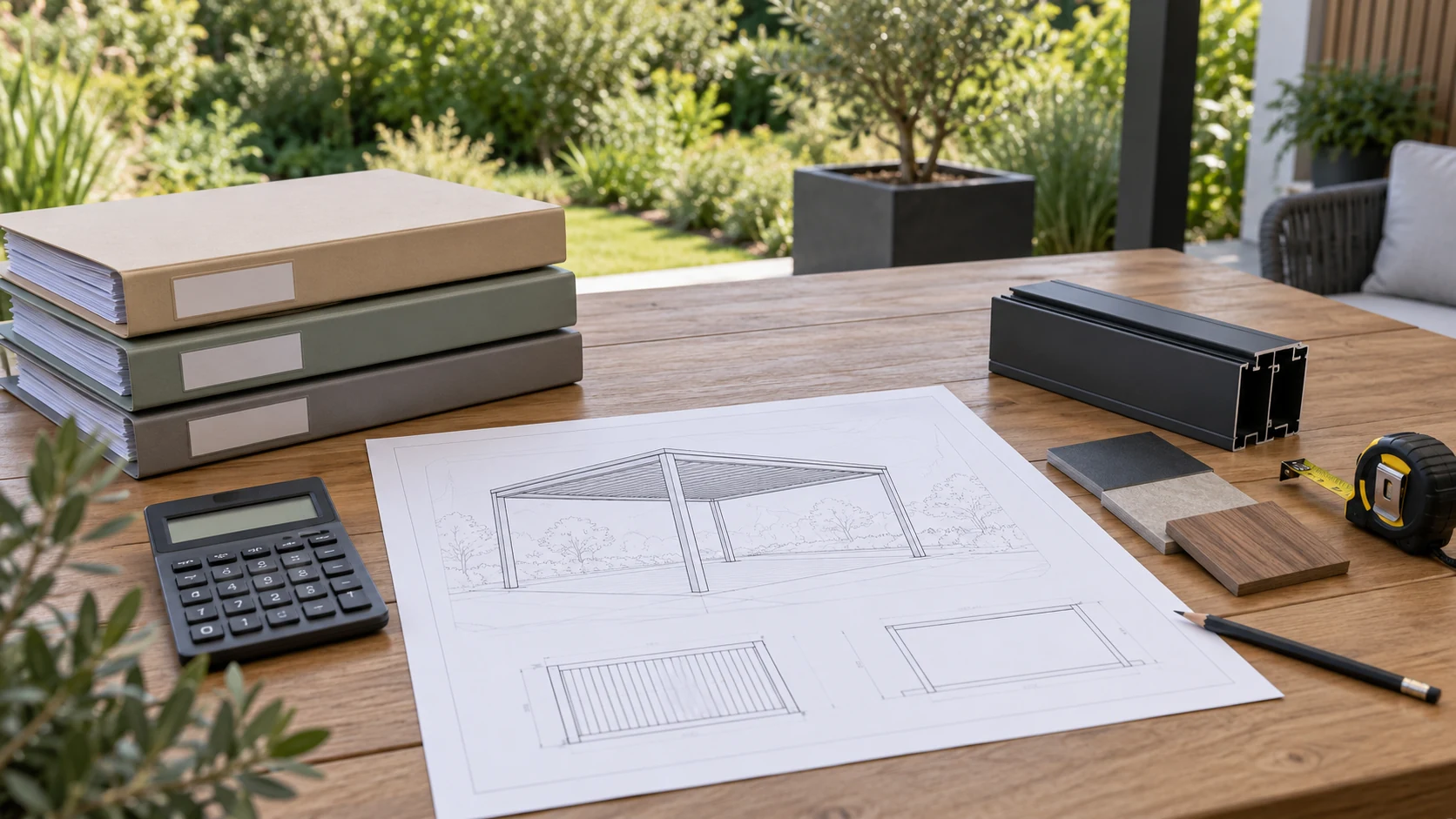
Identify the service you actually need
When searching nearby, identify new installation, recovering, fault service or relocation first because providers may accept different work. Confirm coverage of the actual address, the selected or existing model and the survey scope. Selling a product online does not establish local attendance. No branch, service radius or immediate response is invented here. Begin with an appropriate project location and need, adding appointment details through suitable channels instead of posting unnecessary personal information publicly. Clear service classification reduces time spent sending an unchanged request to businesses that do not perform the required work.
Prepare information that explains the site
For new work, prepare overall facade views, openings and nearby equipment, seating and use hours and known wall records. For service, add identifiers, symptoms and previous treatments. Photograph safely without dismantling or climbing. Label owner measurements as preliminary; the responsible provider must confirm ordering and installation data. Mention lifts, turns, parking and handling constraints so the visit does not resolve the wall while missing long-component access. The brief need not be perfect, but should distinguish facts from unknowns so attendance can be planned appropriately.
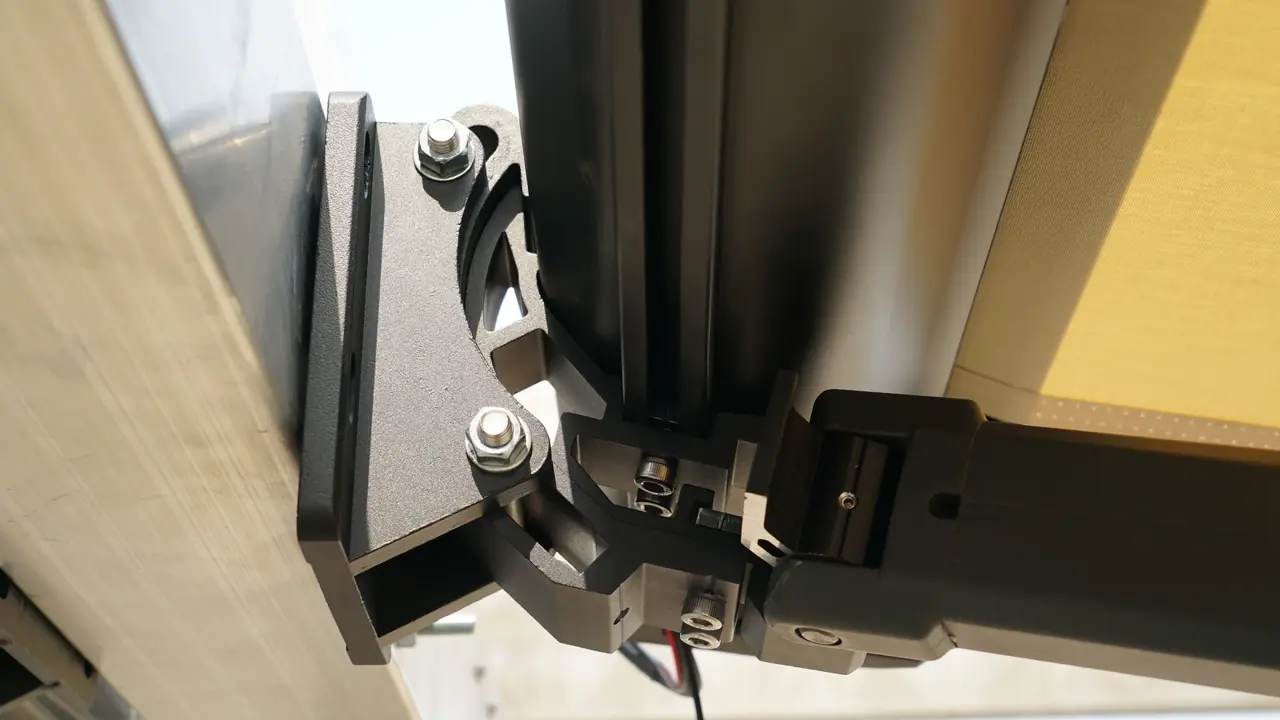
Agree what the survey should produce
Before booking, ask what the survey assesses, its charge, the form of findings and any decisions requiring other specialists. Photographs do not justify a guaranteed installation promise, while paying for attendance does not automatically create a construction agreement. Explain planned comparisons, such as manual versus powered operation, so the provider can prepare relevant questions. A recovering inquiry needs its own focused information rather than every detail of a new-build brief. Defined outputs let the customer judge whether the visit answered the intended questions and compare subsequent proposals on a more consistent basis.
Confirm next steps and responsibilities
After the survey, retain findings, missing information, specialist interfaces and the scope used for the next quote, assigning who supplies agreed follow-up. Leave unconfirmed dates open instead of treating a courteous remark as guaranteed completion before a holiday. Compare capability, scope and support as well as distance in search results. The final proposal should connect equipment, site work and future service, with substitutions reviewed again. A useful appointment turns an imprecise nearby-provider search into an evidence-based project discussion with clear next actions and responsibility.
- Identify installation, recovering, repair or relocation needs.
- Provide safely obtained site information and real use hours.
- Agree survey scope, charges, outputs and follow-up responsibilities.
Is one wall photograph enough to contact an awning installer nearby?
It can start the conversation, but add service need, location, use hours, existing identifiers and access constraints. Mark preliminary measurements and leave unknown substrates for assessment. Confirm geographic and model coverage, survey charges and outputs instead of treating a sales page or search distance as promised installation and support.
More questions, practical answers →