Retractable awning choices
Why a sound-looking old brick wall still needs an awning survey
An intact brick surface does not establish conditions at proposed fixings. Define what the survey must establish before comparing installation scope and cost.
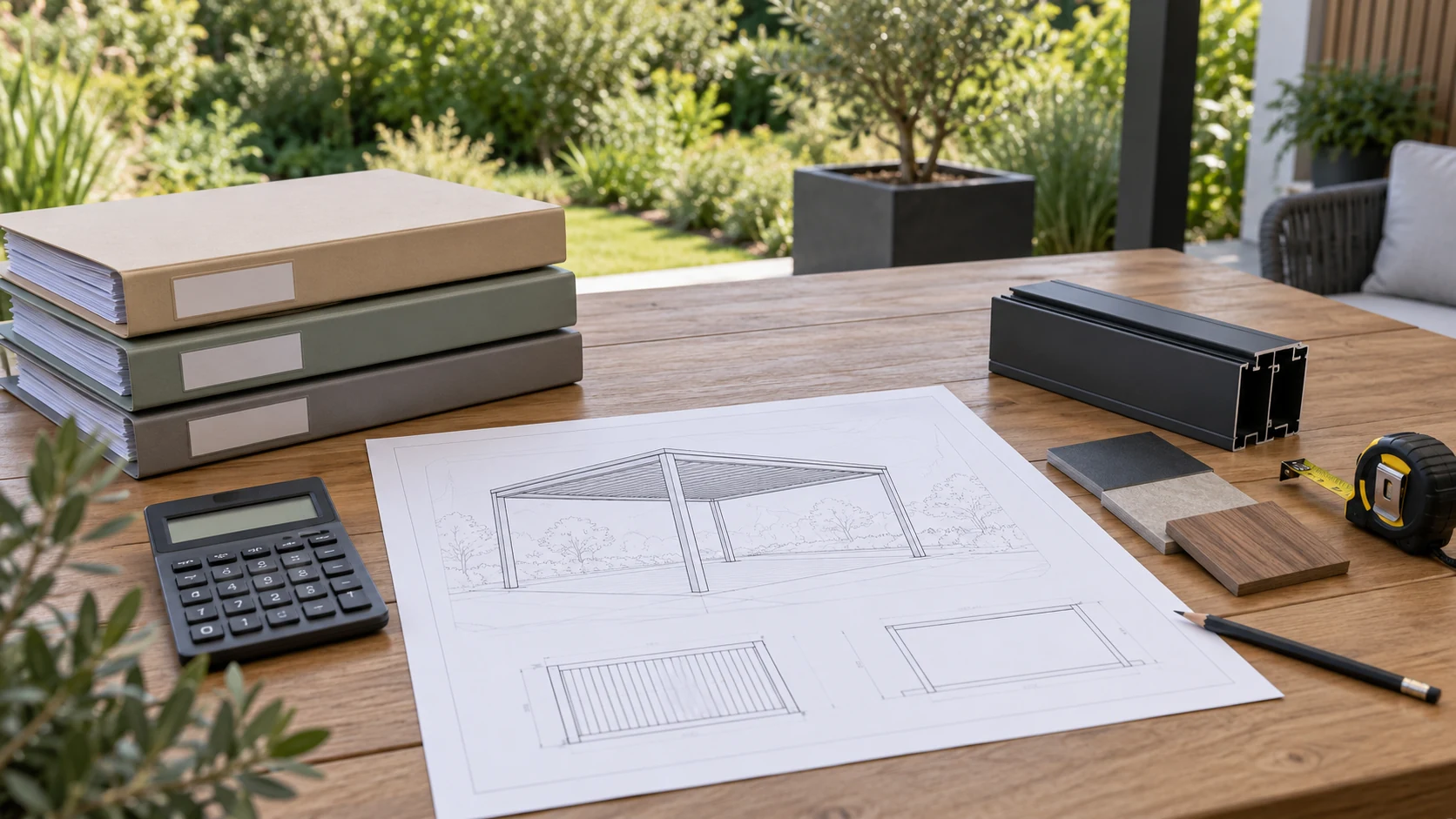
Appearance gives only part of the information
An old brick wall without obvious cracks does not establish a suitable awning fixing design. Age, repairs, construction and conditions at the proposed mounting zone may need further assessment. Photographs help locate issues but do not replace the appropriate survey. Share repair records, existing holes and building information, distinguishing documented facts from recollection. Something previously hanging on the wall is not proof that a different new system can be mounted there. Clear information helps the assessor investigate genuine uncertainties instead of relying on the wall’s generally reassuring appearance.
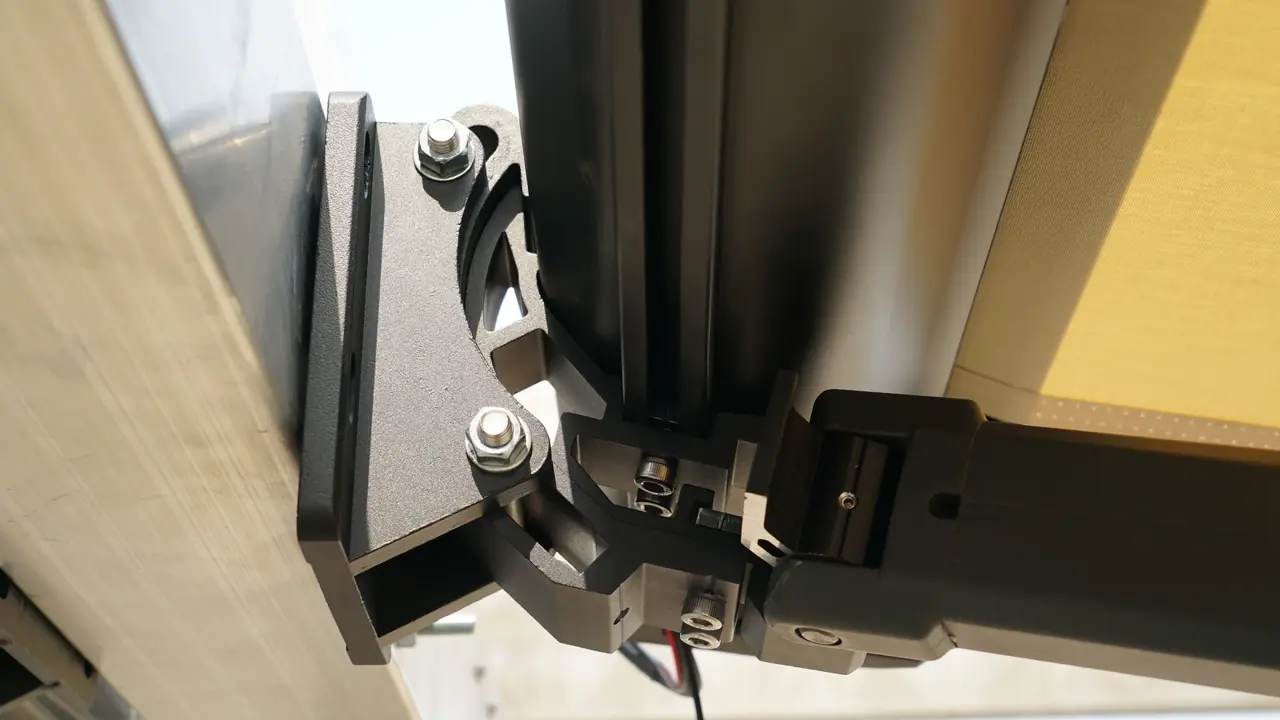
Ask what the survey will deliver
When a survey is priced, ask whether it includes site observation, dimension checks, records review or other necessary assessment, and what record will result. Do not substitute a free glance for investigation the installer considers necessary, or assume payment guarantees the original layout is feasible. Useful findings identify confirmed conditions, remaining limitations and further decisions. State clearly if connection design is outside scope. This lets the owner compare information and service deliverables rather than treating every preliminary visit as identical or assuming one attendance approves the entire installation.
Plan for findings that change the proposal
Suppose the proposed mounting zone needs additional work. Compare relocation, a different equipment scope or another shading approach rather than asking only how to bypass the finding quickly. Wall repair, strengthening or special support requires appropriate professional design and confirmation, not an improvised verbal accessory list. Agree how findings will update the quotation before committing dependent customization. Fabric and color preferences can be explored meanwhile, but final ordering should remain coordinated with feasibility. An appearance decision should not pressure the project into treating an unresolved structural condition as acceptable.
Keep the findings for future service work
Keep survey findings, the agreed layout and relevant photographs with installation records, noting conditions that later changes may require reviewing. Facade renovation, replacement or removal can then refer to the original basis. Handover checks completion and documentation; it does not substitute for structural assessment. An old wall is not automatically unsuitable, but a tidy surface is not a reason to skip necessary investigation. Treating the survey as a defined service that reduces uncertainty clarifies purchasing and creates a more consistent basis for comparing the true scope of competing proposals.
- Distinguish documented facts from recollection.
- Clarify survey scope, records and excluded decisions.
- Agree how findings can change the layout and quotation.
Why investigate an old brick wall if no cracks are visible?
Appearance is only partial evidence; construction, repairs and the actual substrate at the fixing zone may remain unknown. The installer must assess what the selected equipment requires. A clearly bounded estimate can precede investigation, but define what the survey establishes and how findings affect the final quotation.
More questions, practical answers →