Installation & care
A pergola power outage plan starts before the power goes out
Ask whether the selected pergola has approved backup power or manual release, how users access it and what happens when supply returns.
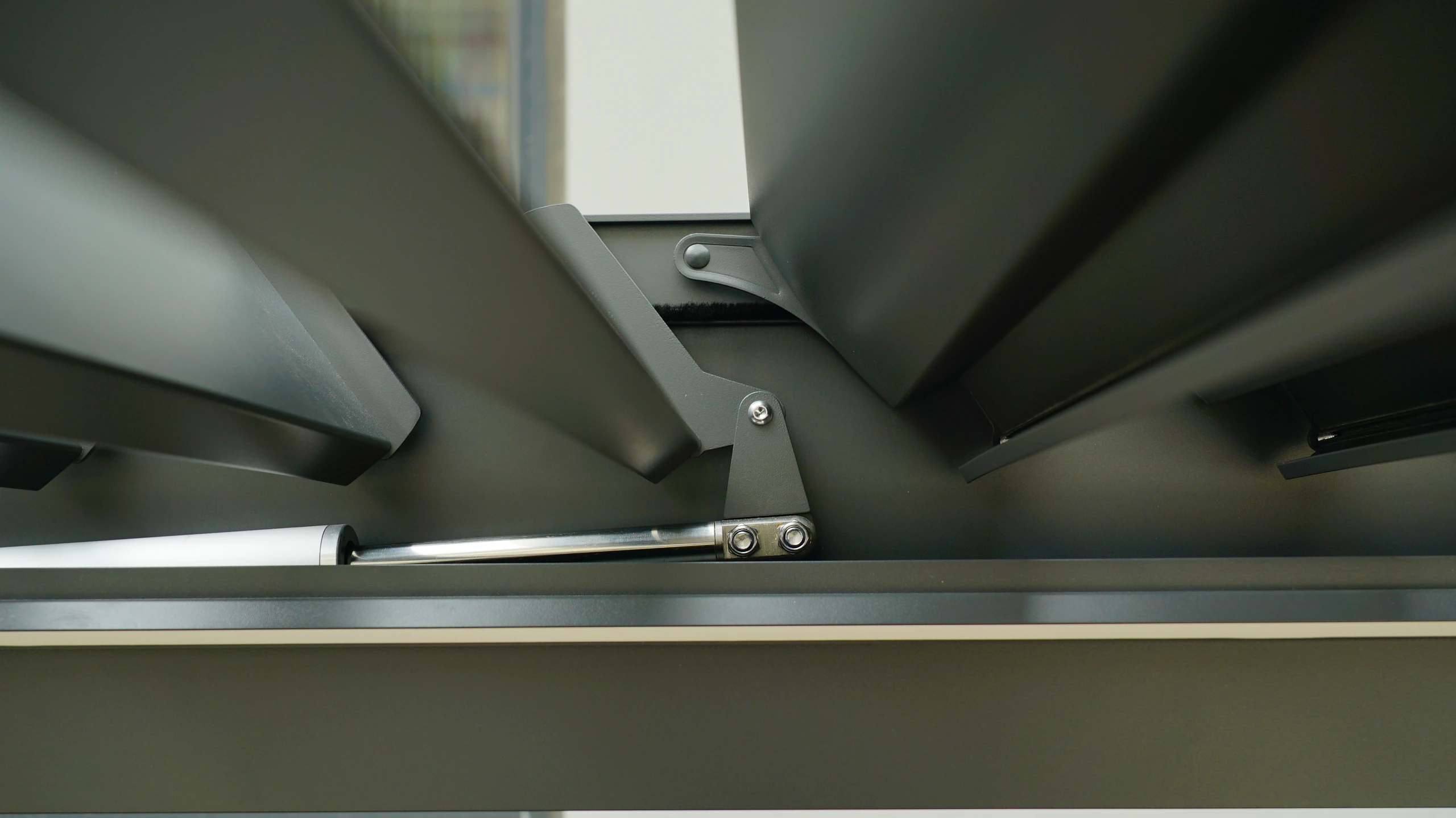
Identify what needs electrical power
A motorized pergola may involve the drive, controller, receiver and optional connected devices. Losing building power is different from a handset battery failure or an internet outage. Ask for a simple diagram showing which parts need which supply and which controls remain available under each condition. Do not infer that a wireless remote means the roof itself runs without mains power. A clear dependency diagram makes purchasing decisions easier because it reveals whether the desired response during an outage is actually supported by the proposed equipment, rather than assumed from the word smart.
Ask about approved alternatives, not improvised ones
If outage operation matters, ask whether the exact drive supports an approved manual method, a specified backup supply or neither. Availability, access and who may perform the procedure must be documented. A manual release can change how a mechanism is restrained, so a generic instruction to disconnect the motor is inappropriate. Similarly, an arbitrary battery or inverter should not be treated as compatible. Compare the documented alternatives by the intended use and the people available on site. The purchase should include the necessary approved components and training, rather than leaving an emergency workaround for later.
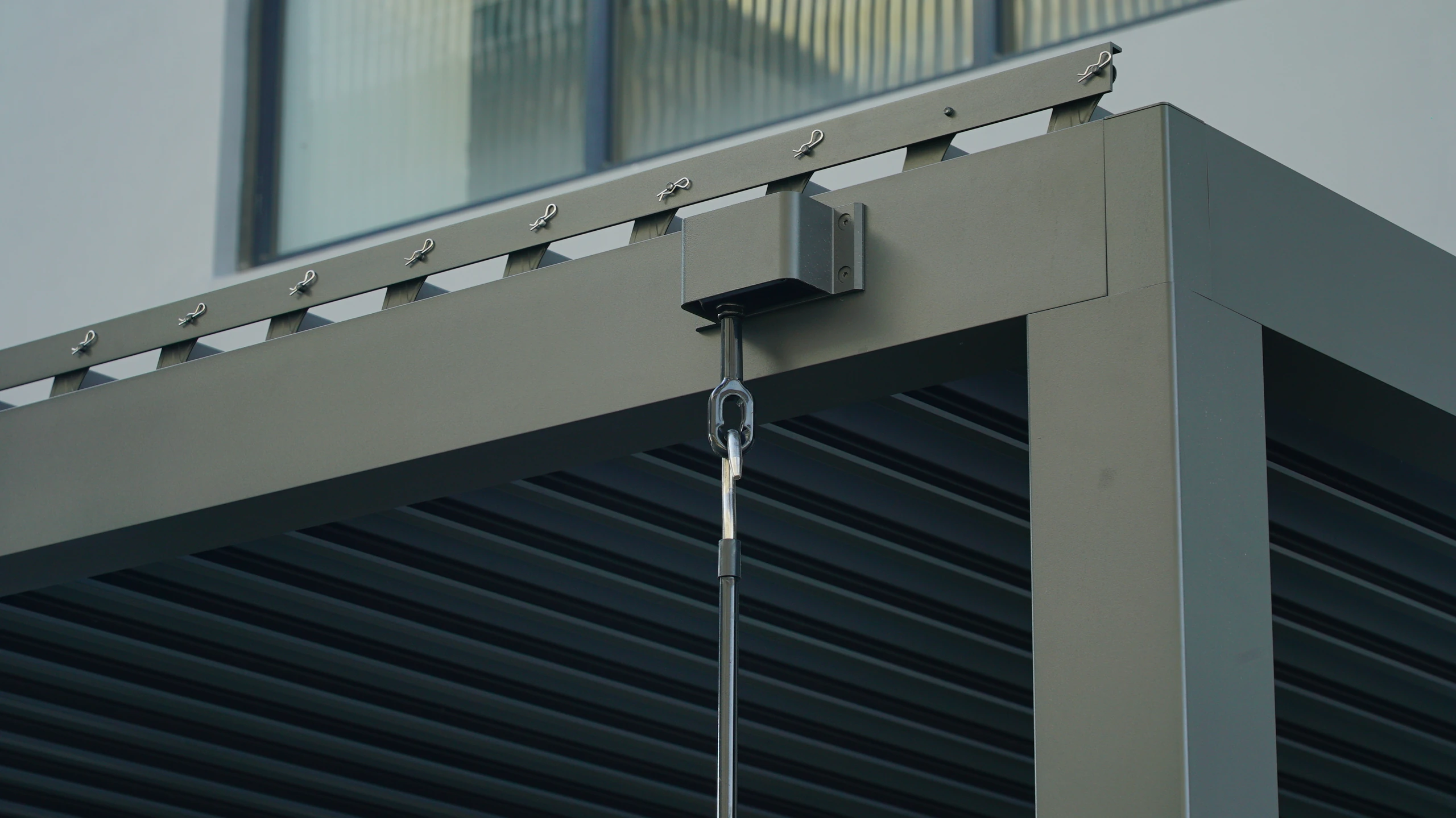
Include what happens when power returns
Imagine a holiday property where a power failure occurs while nobody is present. The owner wants to know whether the roof stays in position and whether it moves when supply returns. Those are questions for the supplied controller and drive instructions, not assumptions to borrow from another system. Ask how current position, stored settings and any required checks are handled. This hypothetical example shows why outage planning includes restart behaviour and responsibility for the next visit. A backup feature that is difficult to inspect or maintain may not meet the owner's real needs even if it sounds attractive in a quotation.
Turn the answer into a usable handover
Keep the equipment identities, approved outage instructions and service contact together. Ask the installer to explain the procedure under controlled normal conditions and record who is authorized to use it. Clearly distinguish user checks from service work requiring qualified personnel. For a TTH enquiry, state whether outages are a purchasing concern so the offered control package can be reviewed against that requirement. Until a feature is confirmed in the supplied documents, leave it unclaimed. If the drive or controller is replaced later, review the outage plan again instead of carrying an old operating method over to new equipment. Include that update when the property changes hands, so the next owner receives instructions that still match the installed hardware.
- Distinguish supply loss, remote-battery failure and network loss.
- Confirm approved manual or backup options and the authorized operator.
- Record restart behaviour, access requirements and service responsibilities.
Can every motorized pergola be opened by hand during a power cut?
No. Manual operation or release depends on the exact drive and system design. Ask whether an approved method exists, who may use it and what happens when power returns. Do not disconnect a motor or attach an improvised power source based on another product's instructions.
More questions, practical answers →