Retractable awning choices
Manual or motorized awning: count the operations in a normal day
Compare frequency, handle access, physical effort and electrical servicing, including the documented response to abnormal conditions.
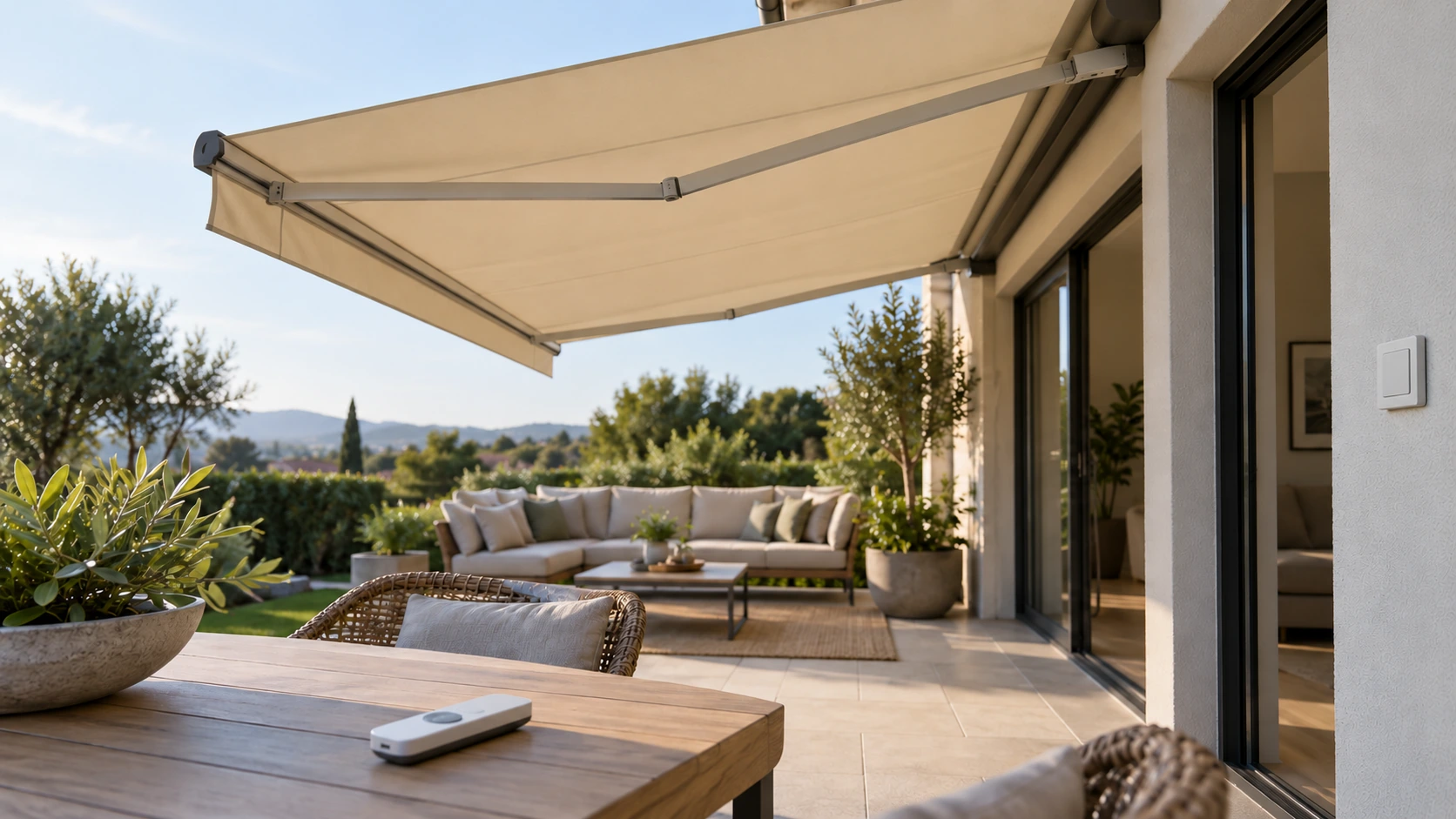
List the operations that happen in a normal day
Do not choose manual or motorized operation using convenience as an undefined label. List likely opening, adjusting and closing actions and the person responsible. Occasional weekend use differs from repeated adjustments around afternoon sun. There is no universal operation count that makes a motor necessary; let the main user try the actual equipment and assess effort, duration and reach. Include unexpected departures and who closes up. A routine that works for one household may be unsuitable for an older person living alone or visitors staying briefly.
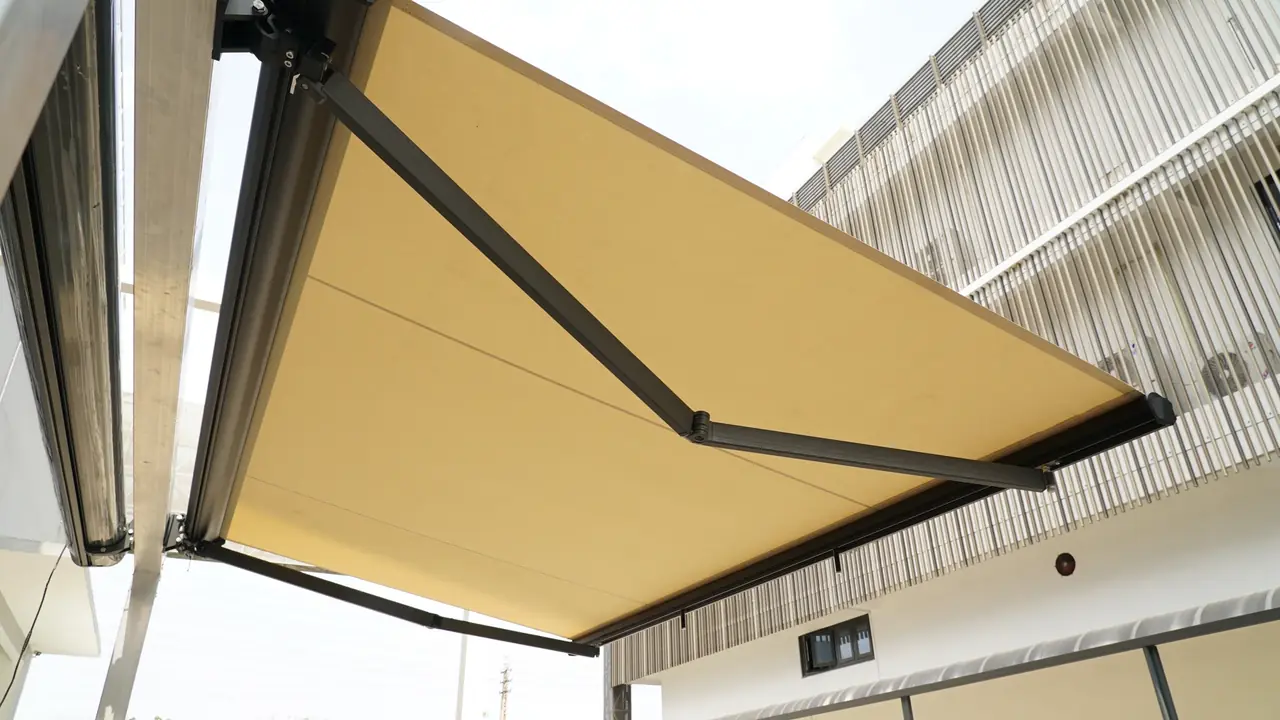
Check the complete posture for manual operation
For a manual option, check handle attachment or retrieval, standing space, sightlines and nearby furniture rather than a few turns in an empty showroom. Decide where the handle stays when unused, keeping routes clear and preventing inappropriate play. Normal operation should not depend on standing on a chair. An awkward reach warrants a different layout or control comparison. Mechanisms differ, so one sample does not represent every manual system. Involve the regular operator and record unacceptable physical demands as purchasing requirements instead of discovering them after installation.
Motorization needs controls and a service arrangement
A motor removes some manual actions but introduces power, control equipment and servicing needs. Check whether controls are identifiable, whether operation can occur with a view of the awning and what the manual requires during power or control failure. Do not assume every motorized model includes a manual fallback, and do not improvise electrical modifications. Phone operation or sensors require confirmed compatible configurations; motorized is not synonymous with connected automation. Identify electrical responsibilities, supplied controls and service contacts so convenience is supported by a complete delivery arrangement.
Use the actual operators to complete the comparison
Imagine one household member comfortable with a phone and another wanting a clearly labeled button. Discuss how both will operate the system before purchase instead of assigning permanent responsibility to one person later. Apply the same principle to manual equipment: do not rely only on the strongest family member testing it. Compare equipment, power, controls, installation and future service scope, retaining contacts for abnormal situations. Choose a routine users can consistently perform, without assuming motorization is mandatory or that manual operation removes the need for inspection and maintenance.
- Record daily operating scenarios and actual users.
- Let regular users test reach and physical demands.
- Confirm power, supplied controls and abnormal-condition instructions.
Is motorized operation unnecessary if I use the awning only once a day?
Frequency alone does not decide. Let the regular user assess handle storage, posture, effort and visibility, then compare power, controls and service for the motorized option. Occasional use may still involve difficult access, while frequent use does not automatically require an upgrade. Choose an achievable routine.
More questions, practical answers →