Home planning
Louvered aluminum or retractable fabric: choose around your daily routine
Compare two pergola roof approaches through shade, openness, stowage and maintenance tasks instead of choosing by material name alone.
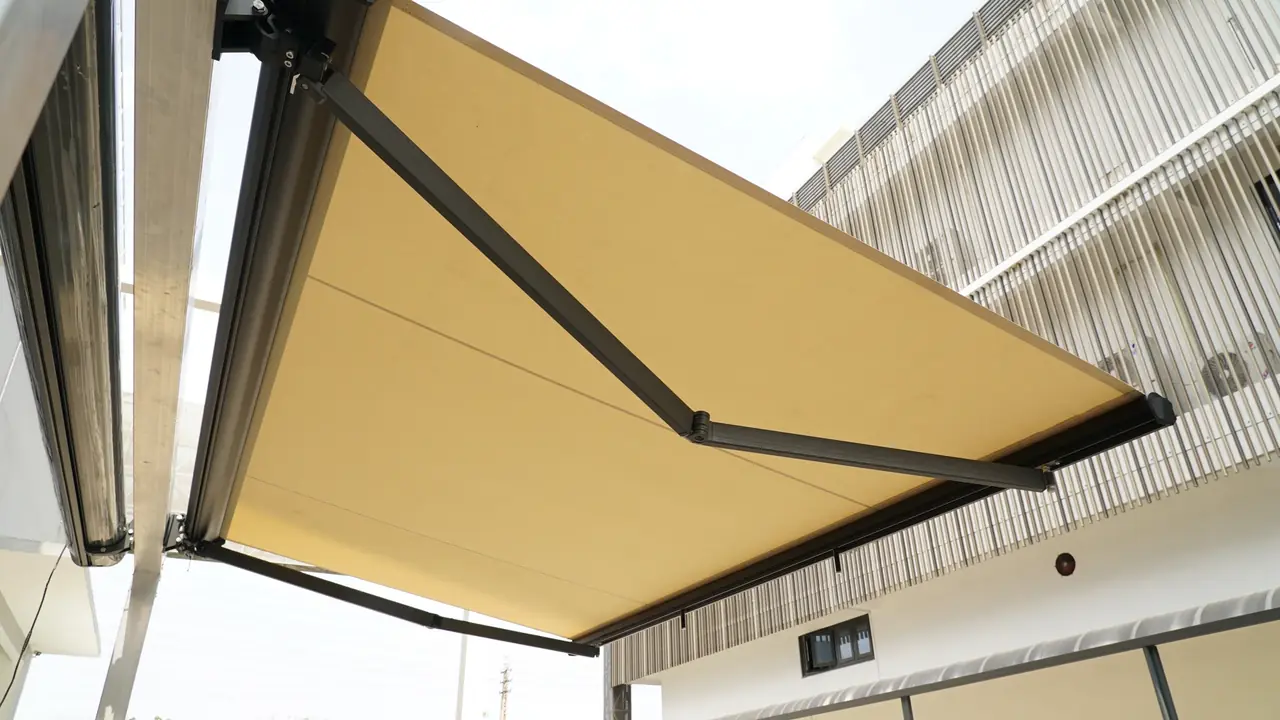
Distinguish adjusting light from stowing a roof
Begin by explaining what seeing the sky means to you. Do you want less direct sun during lunch, or a largely open overhead area at particular times? Those preferences involve different operations. Check the blade movement, fabric stowage position and frame that remains against the drawings of each actual system. A display image does not establish that a roof disappears completely, and fabric roofs do not all share one construction. Record when you would open, shade and stop using the space. That schedule turns an appearance comparison into a comparison of actions you would actually perform.
Make maintenance a set of verifiable questions
Compare maintenance through tasks someone can carry out. Request cleaning instructions, inspection locations, replaceable components and conditions that require operation to stop. Then consider whether your household can follow them. Aluminum components may still require cleaning around connections and drainage areas; fabric requires the cleaning, drying and storage process specified for that product. Neither a zero-maintenance slogan nor a generic lifespan replaces the manual. Frequent travelers should also discuss the state to leave the roof in and responsibility for checks after unusual weather. Practical upkeep depends on people, access and local service as well as surface material.
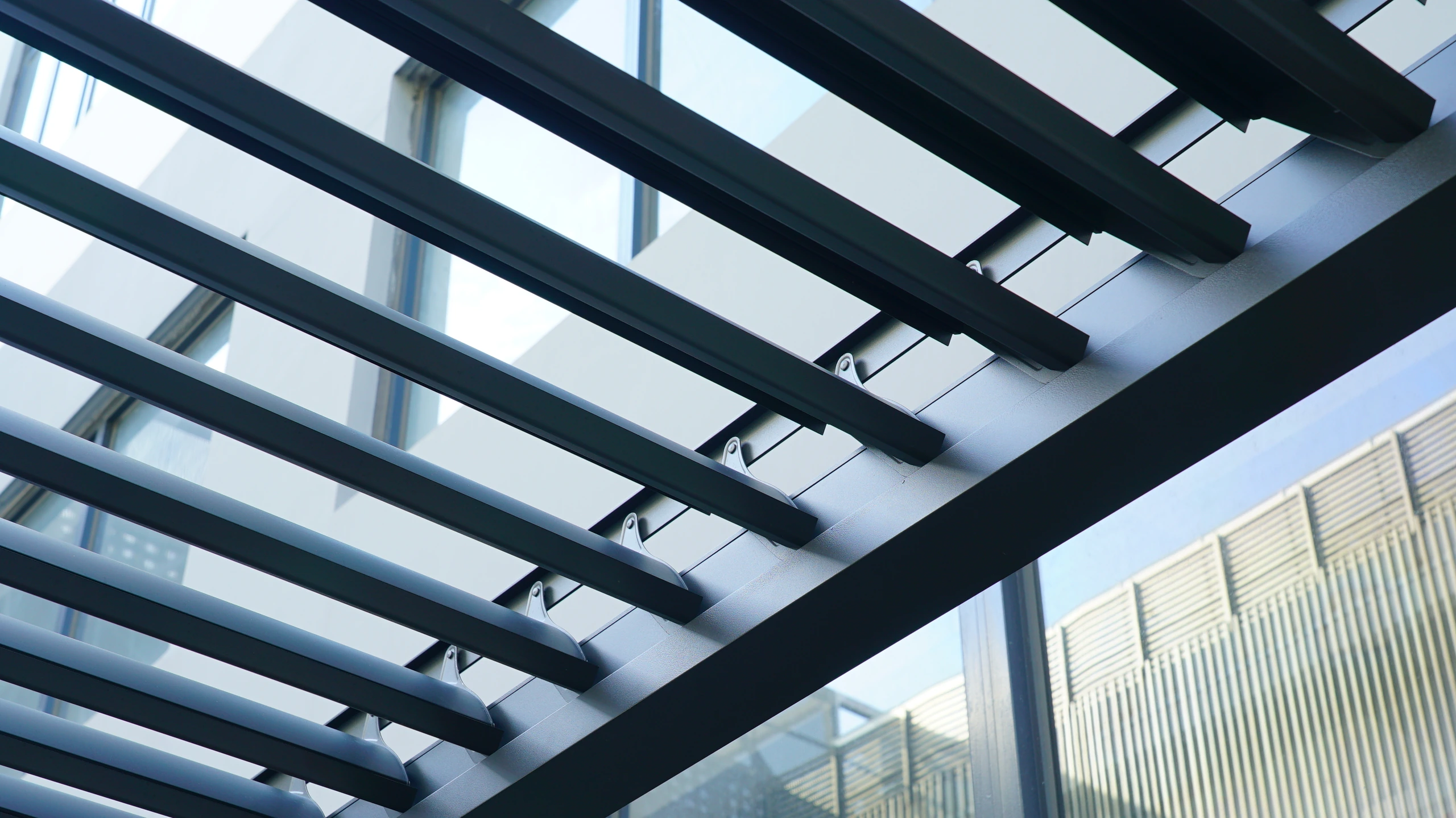
Test the trade-off with a hypothetical household
Imagine a household that eats outdoors mainly in the evening, wants an open terrace at weekends and needs daylight beside the living room. Draw the open, shaded and stowed states of both proposals, including views from indoors. A fabric bundle directly in front of the main window might undermine the desired openness. The visual density of rotated blades might also be greater than expected. This is a hypothetical comparison method, not a performance claim for a particular model. Assess samples from a seated position and from inside the house, allowing family members to record how much obstruction they find acceptable.
Compare quotes for the same use conditions
Finally, compare quotations against the same footprint and use requirements. Color, operation and side accessories may change both the experience and future servicing costs. A quotation including installation finishes cannot be compared directly with one covering a frame alone. Keep an open-questions sheet and leave unanswered items marked unknown instead of filling them with assumptions. The decision should reflect the daily operation and service arrangements your household accepts, rather than a claim that one roof suits every home.
Let the everyday operator try a sample and understand the controls, observation position and method of stopping movement. If older relatives or visitors will use it, keep instructions easy to find. Confirm operation and care before choosing decorative details, so appearance does not conceal a poor match for household habits.
- Mark roof positions when open, shading and stowed.
- Confirm cleaning access, component supply and replacement steps.
- Ask each quote to state installation boundaries and exclusions.
Should a home pergola always have aluminum louvers?
Not necessarily. Compare the sky view you want, the operation you accept each day and the cleaning or stowage requirements of the actual products. Both categories contain different configurations. Compare matching footprints and accessory scope, then verify the product instructions.
More questions, practical answers →