Large pergola projects
Farm tasting pergola clean dirty circulation
Connect picking returns, belongings, handwashing and tasting seats while reviewing soil and service routes.
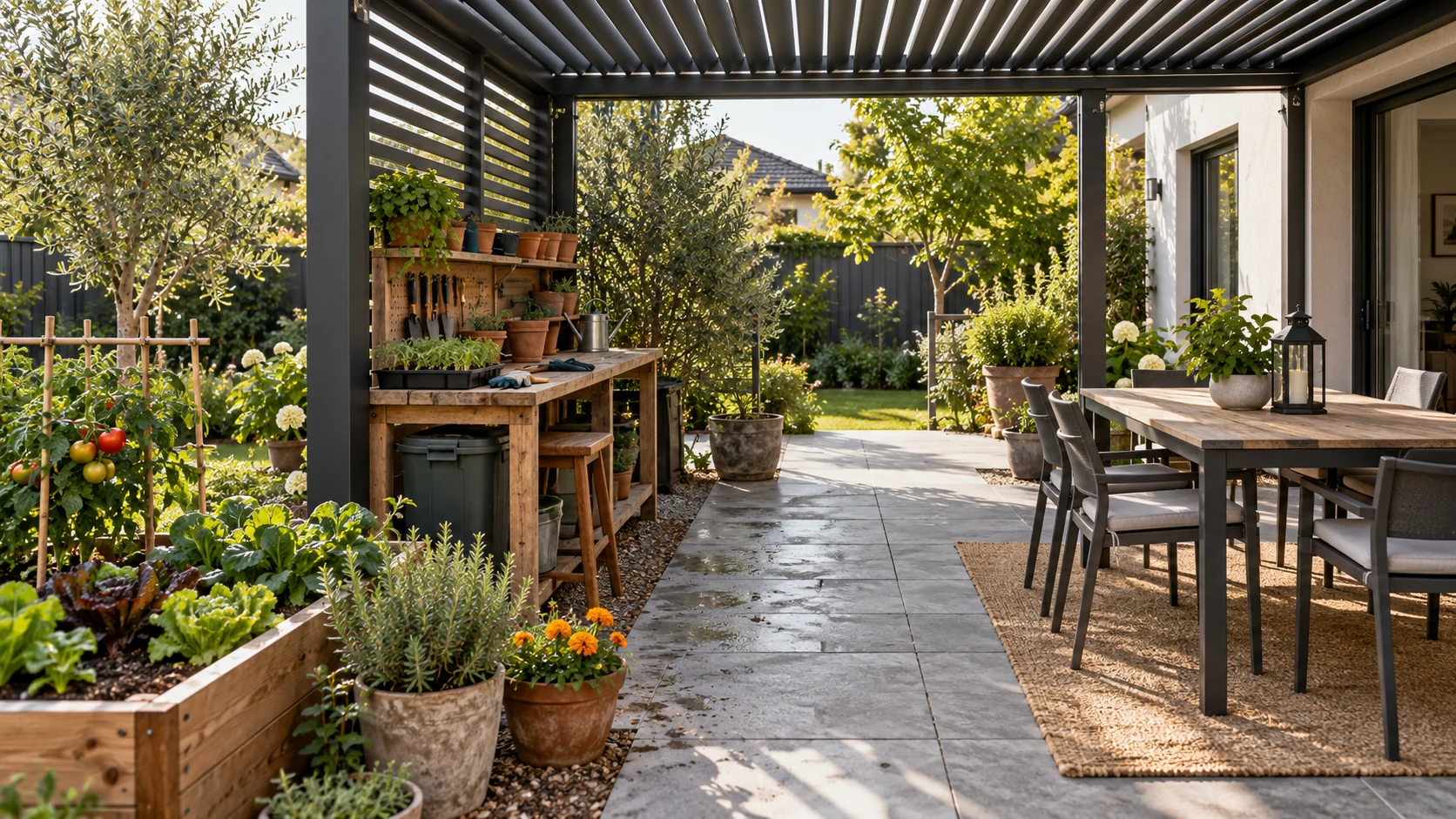
Trace the journey from picking to seating
Trace visitors from the moment they leave the picking area rather than starting with tables under a roof. Muddy footwear, baskets, children and temporarily stored tools affect arrival and seating. Decide which belongings enter, where they are organized and who provides the tasting service before comparing entrances. TTH200/220 may be considered as covered space, but roofing does not establish food-hygiene or public-activity suitability. The farm and appropriate specialists should review tasting, cleaning, water and operating requirements locally. This article offers layout and workflow questions rather than food-service approval.
Give servicing and visitors' belongings clear routes
Map basket storage, handwashing, table service and cleaning equipment, checking whether staff repeatedly cross the place where visitors organize belongings. Review continuous access from arrival to the usable space, applying the US Access Board route guidance only to relevant American projects. Farms offering animal contact need separate assessment; UK HSE open-farm guidance addresses handwashing and eating-area arrangements for that context. Not all farms present the same activities. Visible soil and food hygiene are related but different concerns, so a swept surface alone does not establish a complete hygiene process.
- Trial return from fields, organizing items and seating.
- Review baskets and table-service routes separately.
- Confirm access, handwashing and operating requirements individually.
Trial returns after wet picking conditions
Imagine families returning from picking after rain, carrying baskets and muddy footwear. Table supplies stored beside the entrance cause everyone to stop at the same point. Trial belongings stations, replenishment routes and seating orientation, with operators confirming cleaning and management. This example provides no universal hygiene separation distance and does not suggest one mat solves every wet-ground issue. Record when visitors need help, where baskets go and how cleaners enter, then assign the issues to responsible staff instead of judging the design solely by how many tables fit beneath the roof.
Include seasonal changes in opening checks
Provide field-return routes, surfaces, furniture, service methods and opening periods for professional review of foundations, drainage and ancillary facilities. Seasonal changes can alter entrances, crop areas and group activity, so revisit routes and cleaning duties before opening. Establish workable suspension or alternative arrangements when outdoor use is unsuitable rather than promising tastings in all weather. Describe the facility and service scope accurately without unsupported hygiene benefits or fixed capacity. A clear layout supports management, while the farm remains responsible for applicable food, public-use and operating requirements.
Is a gap between picking and tasting enough to address cleanliness?
Distance alone is insufficient. Review the whole return, basket, handwashing, service and cleaning process for the farm's activities. Assess animal contact separately where present. Roofing does not establish food-service compliance; use trials to identify crossings for the responsible team to address.
More questions, practical answers →