Solar canopy decisions
Coastal Solar Carports: Reviewing Corrosion Evidence by Component
Review coastal solar carport corrosion evidence separately for structural finishes, fasteners, modules and electrical equipment.
Describe exposure rather than just saying coastal
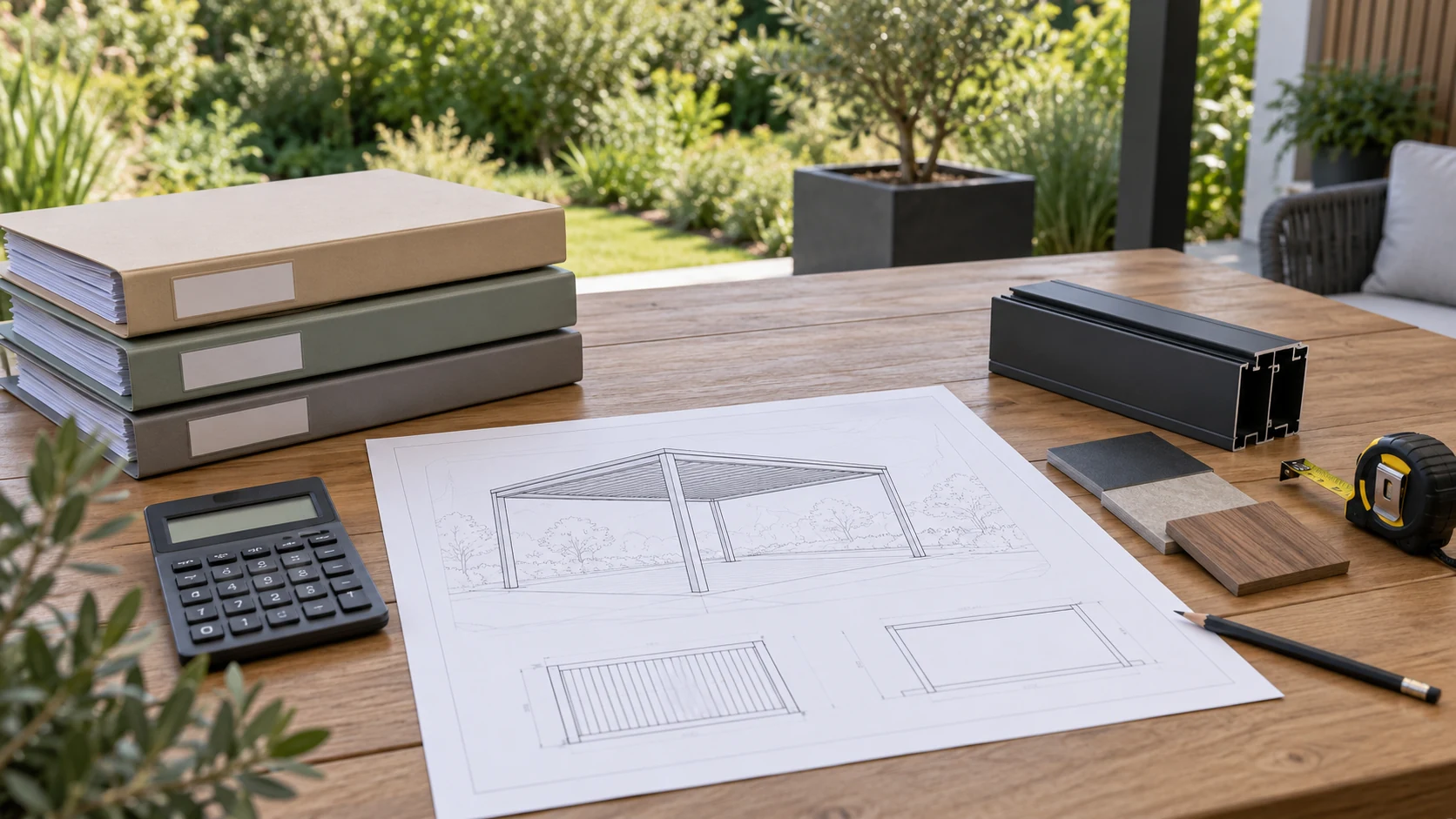
Start a coastal corrosion review with the site's exposure and the equipment scope. Coastal distance, direct salt exposure, wind, standing water and cleaning conditions differ; a coastal label alone is insufficient for supplier confirmation. Provide location, photographs, maintenance access and known environmental information, asking designers and suppliers to state their assumptions. Review structural finishes, connections, module frames and electrical enclosures rather than only the main beam's material name. DOE weather and installation guidance supports environmental planning, but does not establish a corrosion rating for any TTH product.
Check materials, finishes and interfaces separately
Specify actual materials and finishes, including treatment of cuts, holes, fasteners and interfaces between different materials. A module's salt-mist documentation does not cover canopy connections, while a suitable structural finish does not establish inverter or switchgear suitability. Match reports to models, treatments and test conditions, and ask which site modifications would change applicability. Mark missing evidence and assign a team to supply it. Test duration should not be converted directly into field service life, and a material name alone cannot support maintenance-free or permanent corrosion immunity claims.
- Check actual materials, finishes and connection combinations.
- Separate module, canopy and electrical evidence.
- Record maintenance conditions, exceptions and uncertainties.
Test responsibilities through a replacement scenario
Imagine a coastal site replacing fasteners after handover. Buying similar-looking parts by dimensions alone may overlook material, finish and compatibility with adjacent components. Handover records should identify approved parts and the route for approving alternatives. Electrical enclosure location is another interface: moving a cabinet to shorten cabling may increase salt or water exposure and require reassessment of the original assumptions. These scenarios test whether documentation supports maintenance. They do not assert a product failure or provide instructions for unapproved modifications.
Carry environmental assumptions into maintenance
Retain exposure assumptions, product schedules, matching reports and site changes, transferring maintenance conditions to the operating team. Inspection frequency, cleaning agents and repairs should follow actual equipment instructions and qualified advice, not another site's routine. Refer surface damage, connection concerns or enclosure problems through the agreed assessment process instead of covering them with unspecified coatings. Check warranty conditions against the declared coastal environment and identify maintenance records the owner must keep. This turns corrosion language into verifiable purchasing and operating responsibilities.
Is an aluminum solar carport automatically maintenance-free at the coast?
No. Check finishes, fasteners, material interfaces and separate suitability of modules and electrical equipment. Site salt exposure, water and maintenance conditions matter. Request product-specific evidence and instructions; test duration is not a direct service-life or immunity guarantee.
More questions, practical answers →