Installation & care
Operating wind limits and structural wind design are different questions
Separate the reviewed structural configuration from the wind conditions for operating louvers, screens and controls, then prepare a model-specific operating plan.

Read what a wind statement actually describes
Wind information can refer to structural design, a particular tested arrangement or the permitted operation of a moving component. Those statements answer different questions. A review of the frame and anchoring does not by itself say when a roof motor or screen may be operated. Ask which configuration, location assumptions and component positions a document covers. Keep units and definitions intact instead of comparing headline numbers from unrelated sources. For a TTH project, unverified marketing wording should not be converted into an operating instruction or a promise that every accessory can remain in any position.
Ask for instructions for each moving part
A louvered roof, retractable screen and glass enclosure may require different actions as weather changes. Some control systems also apply sensor priorities or temporarily block commands. Manufacturer examples show why this logic is model-specific; they do not establish the behaviour of another brand. Ask for a simple operating table covering ordinary use, forecast severe weather, active protection and return to normal operation. Do not assume that opening all louvers or closing everything is universally correct. The table should come from the selected product documentation and the responsible project's review.
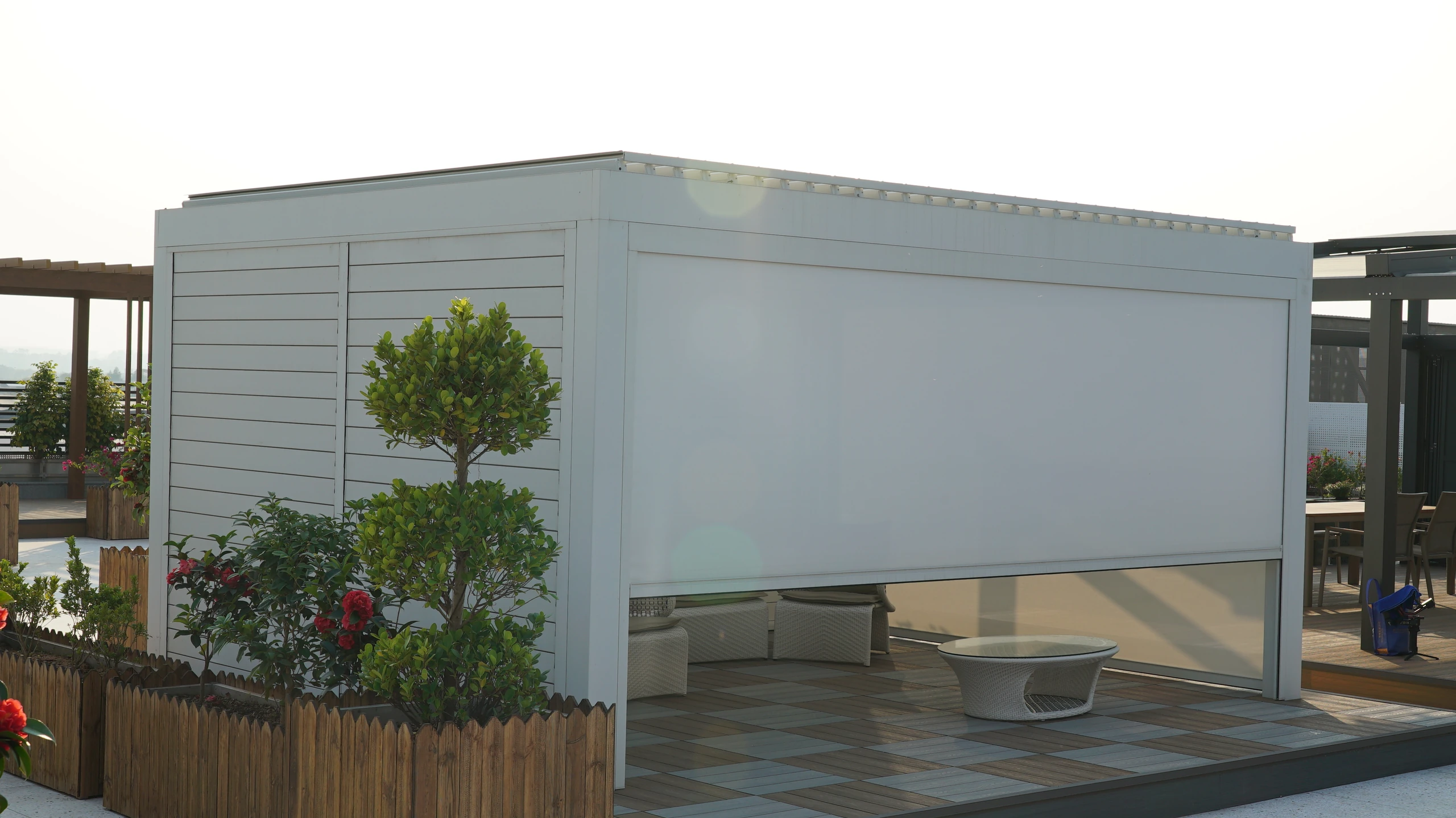
A restaurant shift-change example
Imagine a restaurant employee seeing a strong structural wind statement in the sales folder and assuming the screens can be lowered during a gusty evening. Another employee remembers a different instruction from the installer. The conflict is a documentation problem before it is a control problem. Place the approved operating table where staff use the controls, identify who monitors conditions and state when the area should stop being used. This example does not provide a wind threshold. It shows how a clear distinction between structural evidence and daily instructions helps prevent staff from improvising during deteriorating weather.
Make the operating record match the installation
Record the roof, motor, control and accessory identities together with the relevant instructions. Ask the installer to demonstrate normal controls and explain protection indications without staging hazardous weather. Keep the local structural review separately accessible. When accessories or controller settings change, update the operating table and train the users again. A useful purchase decision considers whether these documents and responsibilities are available, rather than relying only on the largest wind figure in a brochure. If documents give conflicting instructions, resolve the difference with the responsible party before routine use. Do not leave users to choose the version that seems most convenient. New employees should find the same current written instructions rather than relying only on a previous shift's recollection.
- Separate frame-design evidence from roof and screen operating instructions.
- Identify sensor priorities, blocked-command states and normal recovery procedures.
- Assign weather monitoring and keep one current instruction set for all users.
Can a pergola's structural wind rating be used as its operating limit?
No. Structural design and operation of moving components address different conditions and may use different definitions. Obtain instructions for the exact roof, screens and controller, including protective states and recovery. Do not infer a universal open or closed position from a structural figure alone.
More questions, practical answers →