Retractable awning choices
An awning starts squeaking: more lubricant is not a diagnosis
Record when and where the sound occurs, then follow the model’s maintenance limits instead of spraying indiscriminately or disturbing tensioned mechanisms.
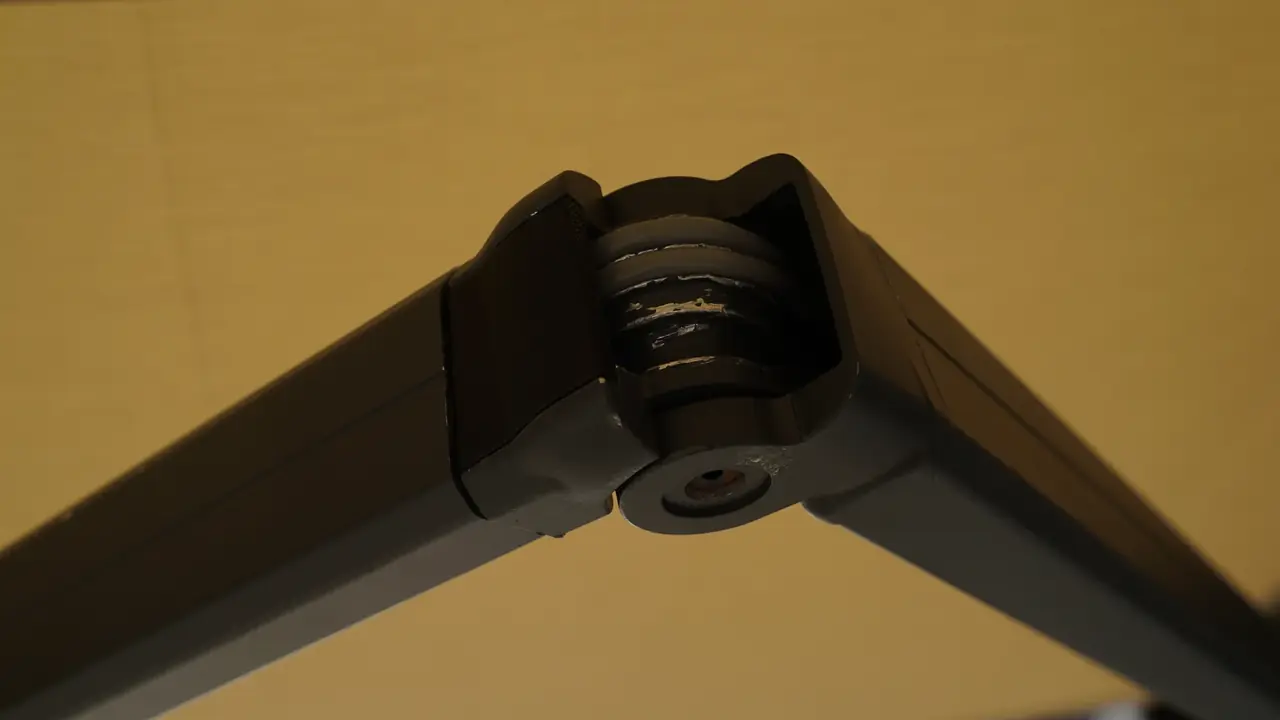
Describe the stage of movement that produces the sound
Record whether the squeak occurs while opening, closing, after stopping or at a repeatable position, and whether it recently changed. A short recording from a safe place may help, but do not repeatedly provoke abnormal movement for a clearer clip. Follow stop-and-service instructions if obstruction, unevenness or other symptoms accompany it. Sound alone does not establish a lubrication problem, and an unrelated online example cannot prove it harmless. Model identity, timing and recent cleaning or servicing give support a useful basis for deciding what to assess.
Lubrication needs model-specific instructions
Some maintenance may involve manufacturer-approved lubrication, but permitted users, locations and materials come from the actual instructions. Do not spray every joint, gap or area beside fabric, and do not copy another model’s method. Unassessed treatment can obscure the original symptom, so preserve the condition and ask when guidance is missing. There is no universal lubricant recipe or dismantling procedure here, particularly for tensioned mechanisms. Distinguish ordinary owner care from professional service instead of treating a multipurpose aerosol as the default answer to every mechanical noise.
Tell the provider about recent changes
If the sound followed cleaning, recovering or control work, disclose that history without declaring the preceding service the proven cause. List dates, actions, any attempted treatment and the current out-of-use arrangement. Concealing improvised spraying can make assessment less accurate. The provider may need site inspection or additional observations depending on the equipment and symptoms. Share access conditions before a visit so the work can be planned appropriately rather than improvising elevated access from patio furniture after the technician arrives.
A service result should explain findings and follow-up
After service, record the confirmed findings, treatment and follow-up instead of merely noting that oil was added. If the cause remains uncertain, temporary silence is not proof of a permanent fix. Users should know continuing care requirements and how to report recurrence. When evaluating used equipment or service packages, distinguish mechanism assessment from simple cleaning so the latter is not mistaken for complete maintenance. The useful outcome is an evidence-based assessment and suitable action, not progressively more lubricant concealing a change that still needs investigation.
- Record movement stage, location and recent maintenance changes.
- Perform only owner care permitted by the exact instructions.
- Keep findings and follow-up requirements without opening tensioned mechanisms.
Can I solve awning squeaking by spraying more lubricant myself?
Do not assume a squeak means insufficient lubricant. Record timing, changes and model identity and check whether the exact owner-maintenance action is permitted. Follow stop-and-service instructions for accompanying abnormalities. Avoid indiscriminate spraying or opening tensioned mechanisms, and do not equate temporary silence with a confirmed diagnosis.
More questions, practical answers →