Buying guides
ZIP screens or glass: which pergola side solution fits your space?
TTH Pergola pergola screens guide: compare privacy, views, access and daily operation before selecting pergola screens or glass panels.
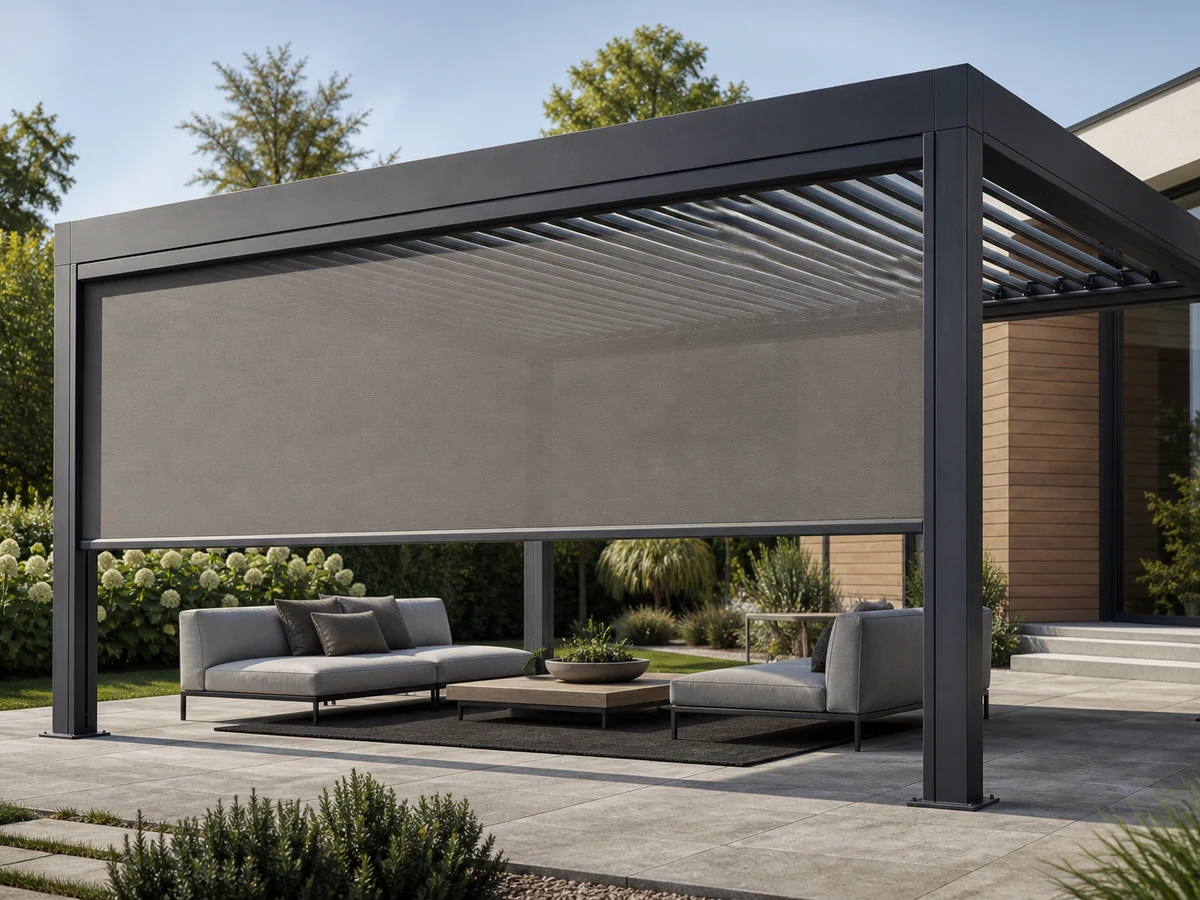
Choose the side enclosure for the problem you want to solve
A side enclosure changes more than the outline of a pergola. It affects the view from a chair, the way people enter and the routine of opening or cleaning the space. If late-afternoon glare is the main concern, begin by identifying the exposed side and the hours that matter. If the aim is a clearer outlook through an enclosed side, glass may enter the discussion. Neither choice should be made simply because it appears in a favourite photograph.
TTH Pergola side options should be reviewed as part of the complete frame arrangement. A roller screen needs a compatible guide and operating space; a glass arrangement needs attention to tracks, thresholds and panel movement. The comparison material on tthpergola.com is useful for recognising these differences before asking for a configuration. Consider a mixed approach only when its interfaces are confirmed: one side may have a different role from another. Finally, think about the space at night and when the enclosure is open. Privacy, access and the relationship to the garden can change considerably between these states. A good selection answers the actual discomfort while preserving the parts of outdoor living you already enjoy.
Choose according to the side opening's main job
ZIP screens and glass panels answer different questions. A screen may be considered when adjustable shading or visual screening is the priority, while glass is often considered when keeping an open view is central to the design. Neither should be selected from a photograph alone. Identify the opening that needs treatment, the direction it faces and how people will move through it. Then compare the specific products offered for that opening.
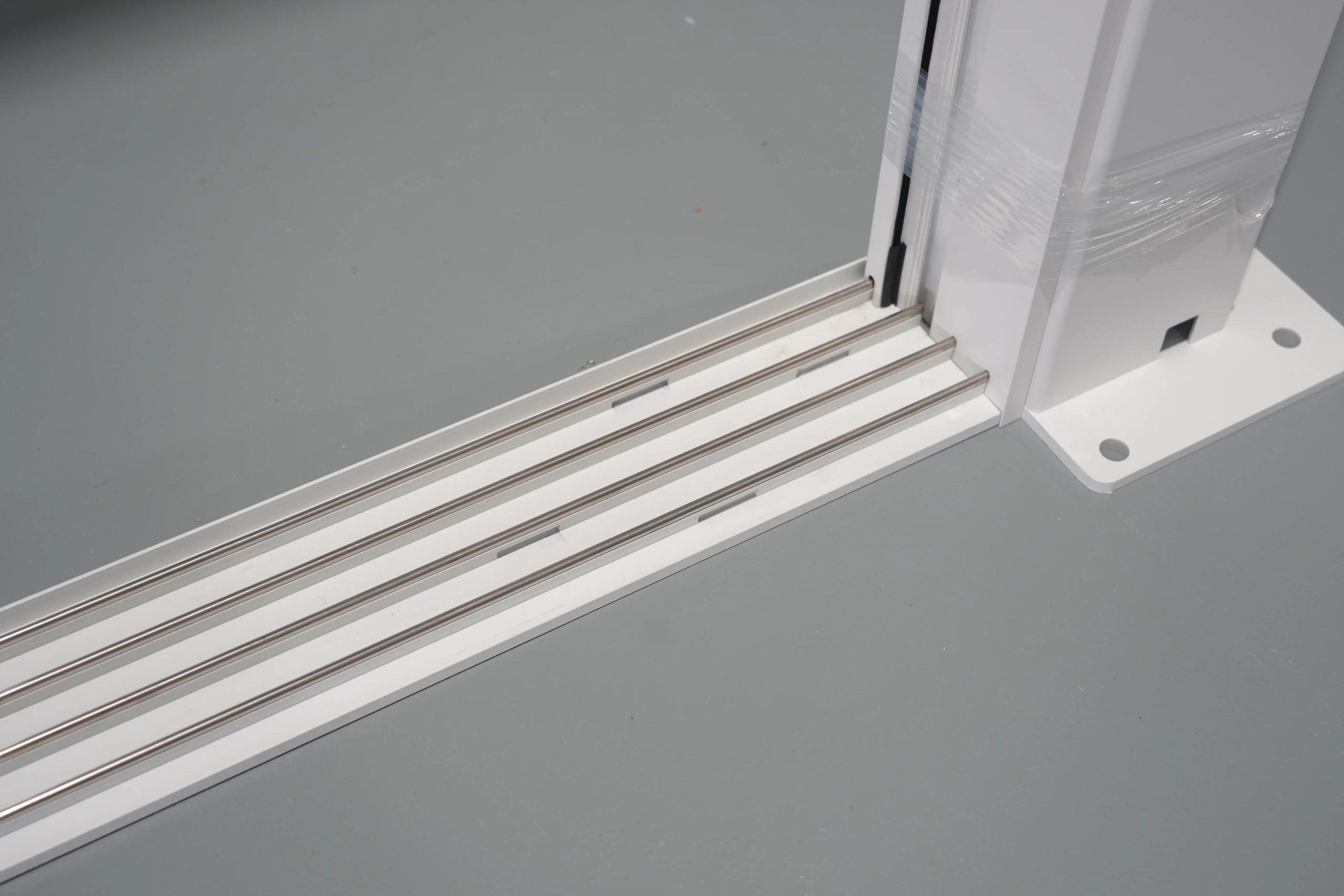
Compare the complete system
Performance depends on the actual fabric, glass arrangement, tracks, dimensions and installation. Terms such as screen or glass enclosure do not define tested weather resistance or a sealed indoor environment. Ask for configuration-specific information, and distinguish the product's intended role from the comfort you hope to achieve. A side solution that looks attractive may still be inconvenient if it blocks a daily route or needs more stacking space than the site allows.
| Decision | ZIP screen questions | Glass questions |
|---|---|---|
| View and privacy | Fabric visibility and shading options | Transparency and any privacy treatment |
| Access | Opening operation and guide positions | Sliding or folding route and stacking area |
| Maintenance | Fabric and guide cleaning instructions | Panel and track cleaning access |
Coordinate accessories before ordering the frame
Confirm the intended accessories before the frame is finalized. Guide locations, fixing points, electrical routing and drainage should be coordinated rather than improvised after delivery. Existing handles, wall lights and steps may affect the usable opening. Where different sides have different needs, document each side separately. A mixed solution can be considered, but its compatibility with the selected pergola and its installation details still need confirmation.
Make daily operation part of the decision
Ask how each system opens, stops and is maintained, and who will operate it most often. Consider whether an open panel would interfere with dining furniture or whether a screen control is conveniently placed. Review samples where available, because a small screen image cannot fully convey visibility or finish. The most useful comparison is a side-by-side specification for your actual openings, with any unresolved conditions clearly identified.
Will closing the sides make a pergola an indoor room?
Not necessarily. Side panels do not by themselves establish indoor insulation, airtightness or building performance. Discuss the intended use and the actual TTH enclosure specification instead of assuming that a closed appearance provides those properties.