Installation & care
When a pergola gutter overflows: plan where excess water can go
Separate normal drainage from overflow planning and identify doors, electrical equipment and neighbouring areas that excess water must not endanger.
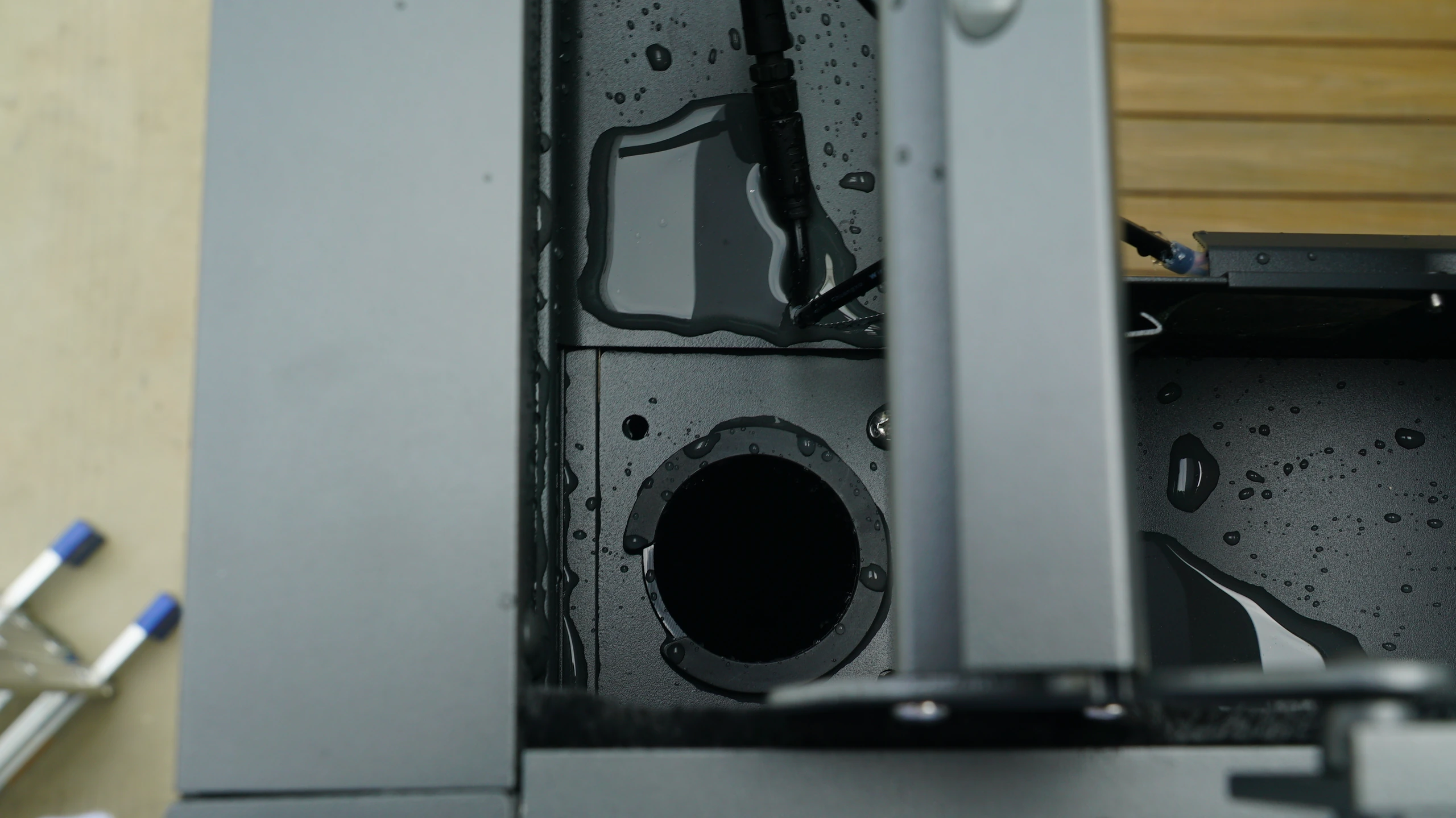
Normal flow does not describe every condition
A pergola outlet may discharge water during ordinary rain while another part of the system is retaining it. Observing flow is useful, but it does not establish the maximum capacity or prove that every section drains correctly. During planning, distinguish the normal route from the behaviour when an outlet is obstructed, leaves accumulate or additional runoff reaches the roof. Do not assign a rainfall rating from a visual demonstration. Ask the supplier which drainage details are documented for the selected configuration and ask the site designer to consider the consequences of excess water at the actual installation location.
Protect vulnerable locations through layout
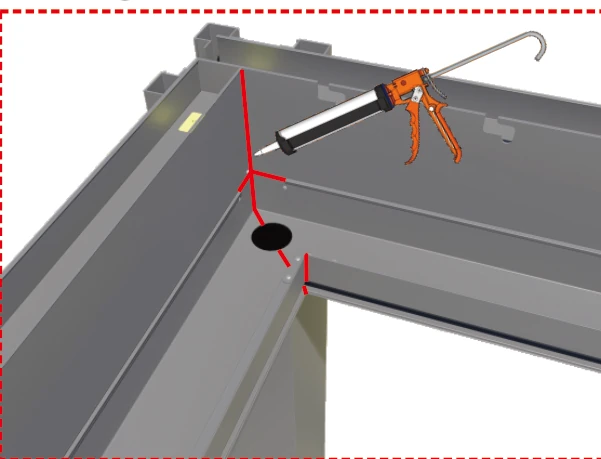
Map doors, thresholds, pedestrian routes, electrical equipment and nearby property boundaries beneath and around the pergola. An overflow above planting has different consequences from one above an entrance, but the planting area must also have a suitable water destination. Ask the responsible parties whether a defined overflow arrangement is part of the supplied system and how it interacts with the site. Do not drill an extra opening or redirect a gutter based on a general article. The choice should follow the product detail and a site drainage review, including access for clearing the normal route.
A restaurant entrance example
Imagine a pergola beside a restaurant entrance, with a roof edge directly above the route used by guests carrying drinks. The normal outlet is behind a planter, so staff rarely see it. A blockage could therefore remain unnoticed until water appears at the entrance. Before installation, compare a layout that preserves outlet visibility and keeps a reviewed overflow path away from that doorway. The example does not predict any particular product's performance. It illustrates why failure consequences and staff inspection access belong in the design discussion, alongside the ordinary appearance of the finished terrace. The handover should say who checks the outlet during ordinary operations and how an affected area is managed when an abnormal event occurs. Drainage is not merely a technical feature concealed inside a post; it also has a practical inspection responsibility for the operator.
Record symptoms without changing the system
If overflow occurs, note the time, weather, affected edge and whether outlets were visibly flowing from a safe position. Photograph the surrounding water route and any nearby building runoff. Avoid climbing onto the pergola or repeatedly operating a wet system to recreate the event. Give the installation team a sequence of observations so they can separate obstruction, alignment, incoming water and other possible causes. The useful outcome is an identified cause and reviewed correction, rather than a cosmetic patch that hides where water first appeared.
- Map ordinary outlets and ask separately about documented overflow behaviour.
- Identify doors, equipment and circulation areas exposed to excess water.
- Keep inspection access clear and record the location and timing of any event.
Why can a gutter overflow while water is coming from a pergola outlet?
Visible discharge only confirms that some water is leaving. It does not prove that every section is clear or that the incoming flow is within the documented conditions. Record the affected edge, weather, outlet behaviour and any nearby runoff, then have the installer investigate rather than enlarging holes yourself.
More questions, practical answers →