Installation & care
Pergola fasteners: matching diameter is not an approved substitution
Keep fastener identities, approved substitutions and installation records linked to the actual pergola joint, without applying generic torque values.
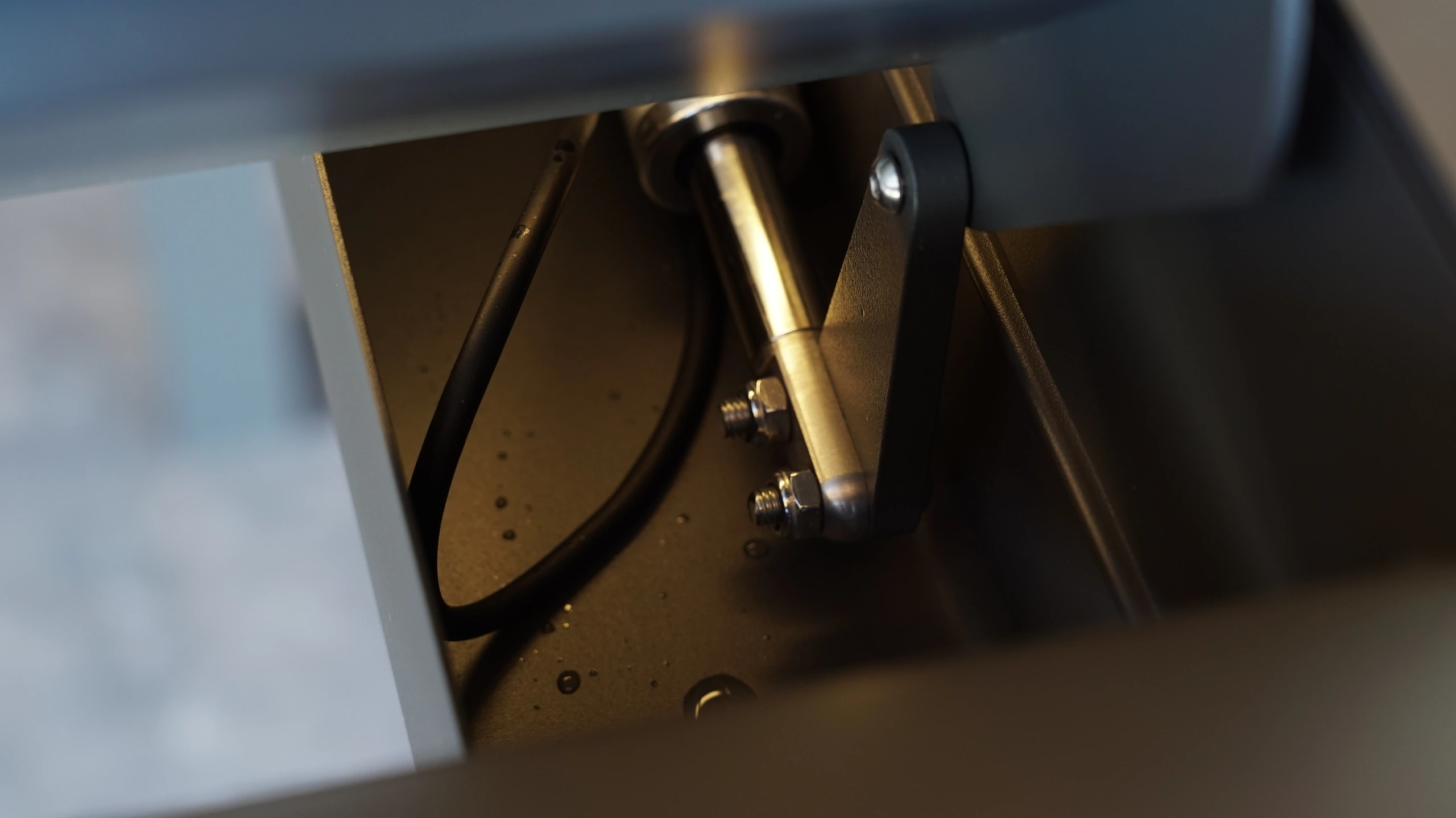
Identify the whole fastening assembly
Two fasteners can share a diameter while differing in material, grade, length, thread, coating or the washers and nuts used with them. Those differences may matter to the approved assembly. Ask the supplied parts list to identify the fixing at each connection and keep labels until the installation is checked. Manufacturer examples of qualified anchor assemblies demonstrate why included components cannot automatically be replaced by convenient alternatives. They do not provide a universal specification for a TTH joint. The project must use the particular connection detail and product instructions that actually apply.
Torque belongs to the exact instructions
Tightening requirements depend on the actual fastening system and assembly conditions. A value found for another anchor or a generic bolt chart is not automatically applicable. The installer should follow the specified procedure and use the equipment required by it, keeping the records requested for the project. More tightening is not a general improvement. Ask how the instructions handle inspections and any later disassembly, rather than imposing routine retightening from habit. The owner's useful role is to retain the correct product and installation record, not to select a torque or test the fixing with an improvised tool.
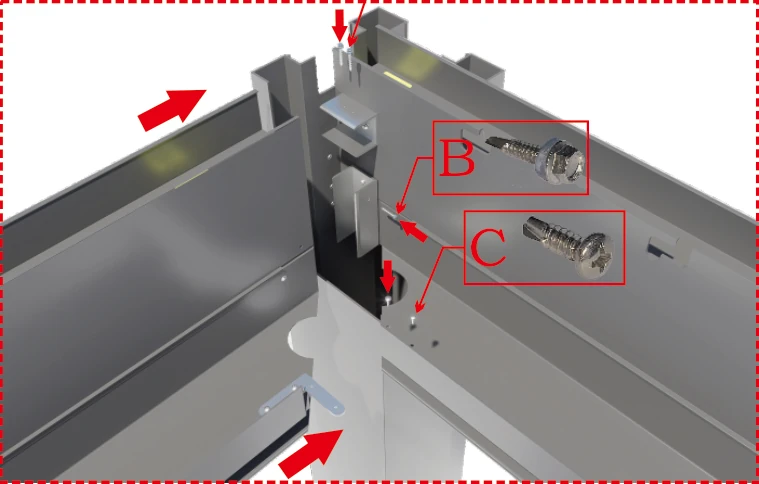
A missing-washer example
Imagine an installation team finding that one specified washer is missing. A local shop has a similar-looking replacement, and using it would avoid another visit. Before substitution, send the exact part requirement, proposed alternative and connection location to the responsible supplier or designer. A written acceptance or a correct replacement preserves a traceable decision. This example does not say that every alternative is unsuitable. It shows why schedule pressure and visual similarity are not enough to establish equivalence, especially when several small components work together in one reviewed connection.
Create a record that survives the installation
Keep the connection drawing, parts identification, approved deviations and required tightening or inspection records in the handover. Label locations consistently so a service team can find the relevant joint later. If a component is removed during maintenance, follow its own reassembly instructions and update the record. For a TTH order, requesting a clear parts map is more useful than requesting one generic fixing size for the entire pergola. Different interfaces may use different systems and must remain distinguishable. Spare parts should retain their original identification. A bag of similar-looking hardware found years later is not a reliable map of which fixing belongs at each interface. Avoid using that uncertainty as a reason to replace every connection with one convenient type of fastener.
- Match each fixing to its part identity and connection location.
- Obtain written review before using a proposed substitute.
- Retain the applicable procedure and required installation or inspection evidence.
Can I replace a missing pergola bolt with one of the same diameter?
Diameter alone does not establish equivalence. Material, grade, length, thread, coating and associated components may all matter. Send the original part identification and proposed substitute for review, and use the installation instructions for the accepted assembly. Do not choose a generic torque to make an unverified replacement fit.
More questions, practical answers →