Design details
A pergola from daytime shade to evening dining
TTH Pergola pergola lighting guide: coordinate furniture, roof operation and lighting for different periods of use.
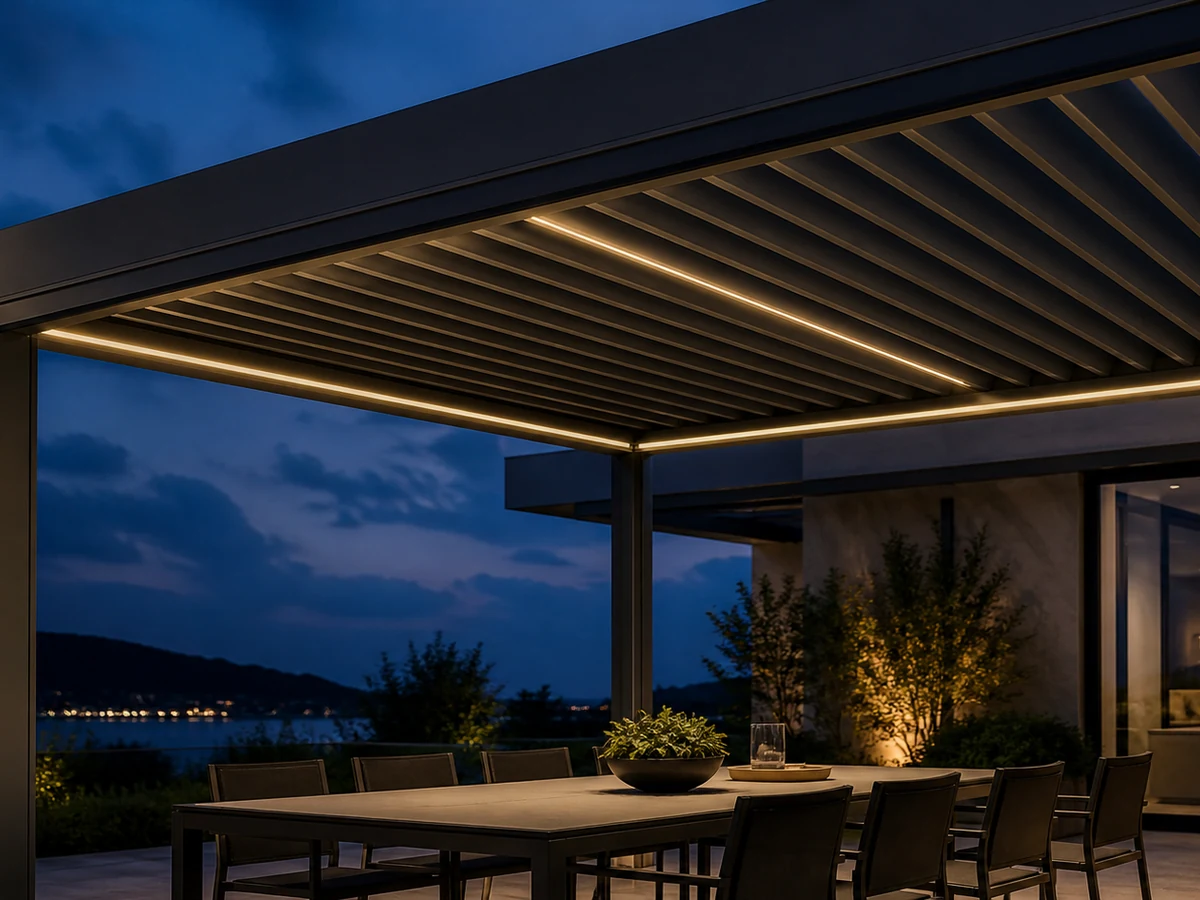
Design the change from afternoon shade to evening comfort
A pergola used throughout the day needs more than a single attractive setting. Afternoon light may call for shade, while an evening meal changes the importance of lighting, privacy and the route back to the house. Think of the space as a sequence of ordinary activities. This makes it easier to see which adjustments should be simple and which features will be used only occasionally.
For TTH Pergola, describe the daily routine alongside the proposed furniture layout. Consider the roof position, any side screen and the lighting arrangement at the times that matter. Scenes on tthpergola.com can inspire an outdoor-living mood, but the owner's habits should determine the final combination. A layout that requires furniture to be moved each evening may be less convenient than one with a clear dining area from the start. Also look from inside the house after dark, because the pergola becomes part of that view. The aim is a setting that feels connected across the day, with controls and accessories supporting the transition instead of turning it into a series of chores.
Plan two real use scenarios
A terrace used during the day and evening should be reviewed in both conditions. Describe what happens at each time: perhaps a quiet seat in the afternoon and dining after sunset. Keep the furniture arrangement realistic rather than assuming everything will be moved twice a day. The layout should support the most frequent activities with simple changes to roof position or lighting, where those functions are part of the selected configuration.
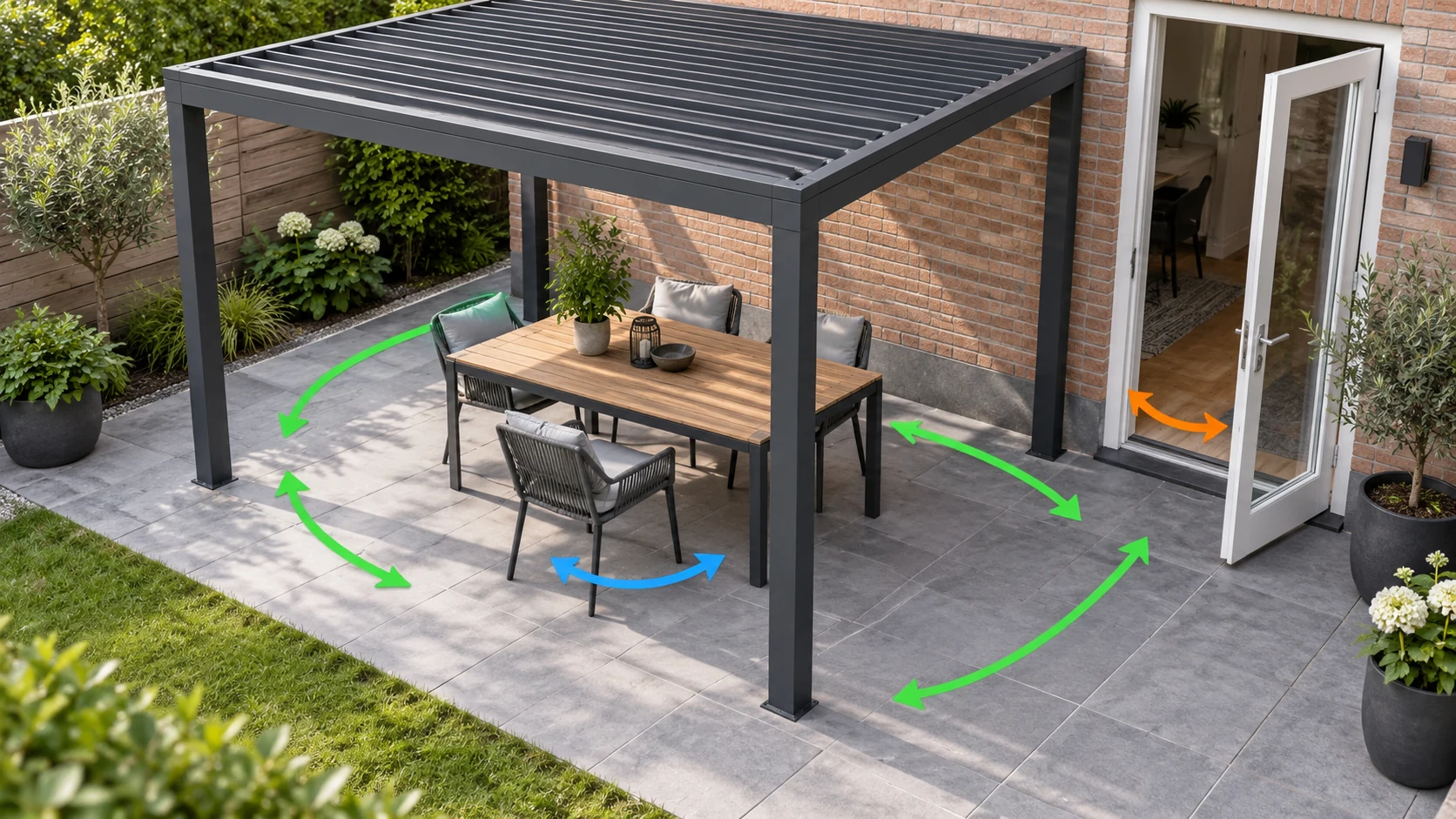
Coordinate the changing elements
Check how screens or glass affect the view when lighting is on inside the covered area. Confirm control locations so users can make normal adjustments without crossing awkward spaces. Discuss the actual lighting options with the supplier rather than relying on a dramatic night rendering. The appearance of light in an image may differ from the supplied fixture, so request the relevant product information before making the final selection.
Keep closing and care straightforward
Think through the end of an evening: where cushions are stored, how lights are turned off and how accessories are left according to their instructions. Keep the route back to the house clear when chairs are pulled out. Review drainage and maintenance access independently of the decorative arrangement. A successful day-to-evening space does not require every available feature; it needs a coherent combination that people can use comfortably and manage consistently. For shared households or hospitality use, keep control choices understandable to the people who will operate them regularly, rather than relying on one person to explain every adjustment.
- Describe daytime and evening activities separately.
- Confirm controls and real lighting options.
- Keep a simple closing and storage routine.
Should daytime and evening layouts use different furniture positions?
Not necessarily. A well-planned arrangement can support both with changes to shade and lighting. Start with the activities you repeat most often and minimise the adjustments required for ordinary use.