Retractable awning choices
No model label for an old awning? Prepare a useful recovering inquiry
Organize overall views, visible identifiers and historical records separately; fabric width describes a dimension but does not establish equipment identity or replacement compatibility.
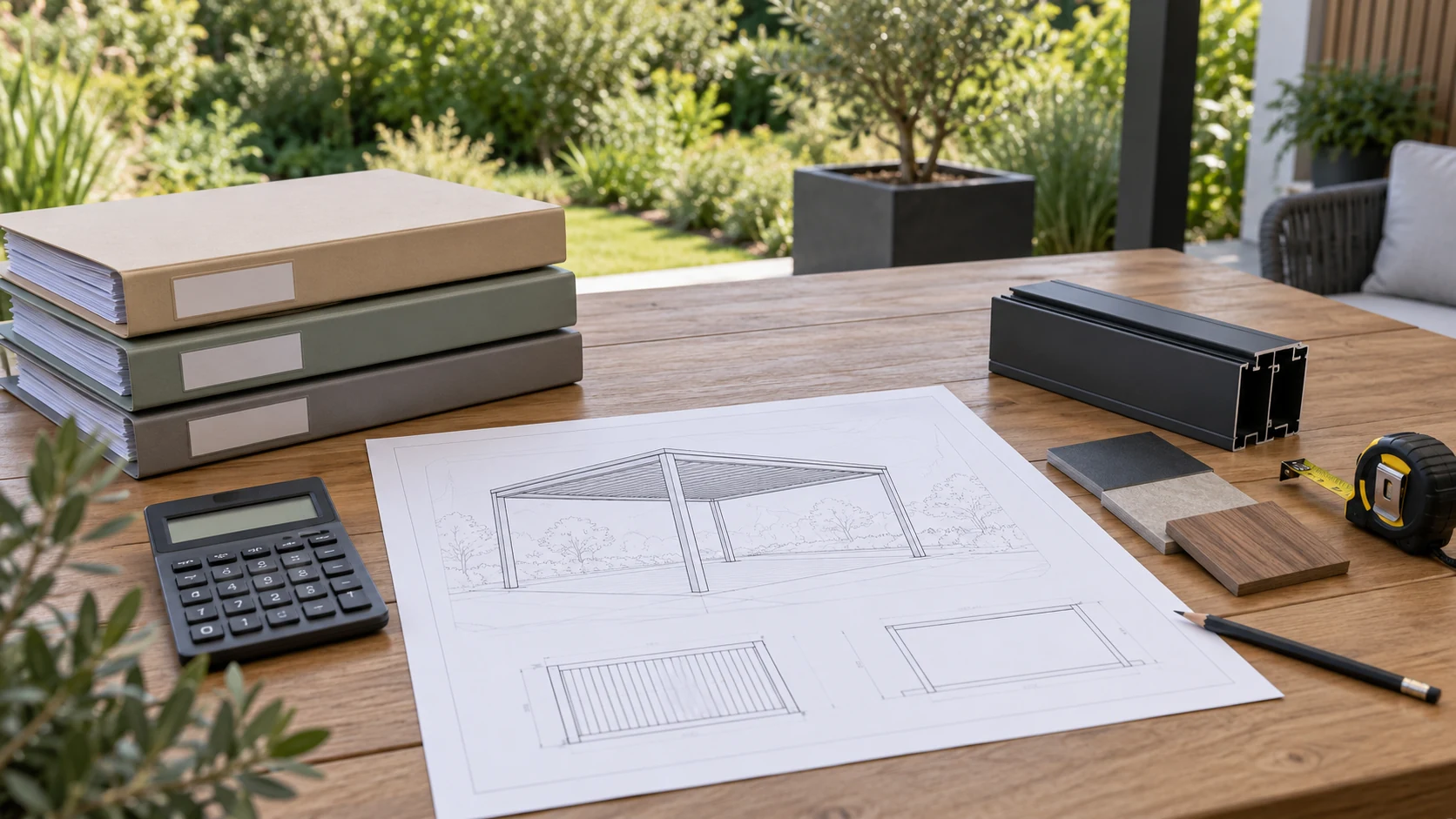
Start with records that may identify the equipment
Search invoices, installation records, service messages and property handover information, then inspect visible identifiers from a safe position. Do not open the cassette, climb the mechanism or remove covers to find a label. Distinguish equipment, drive, controller and fabric references because they may identify different sources. Preserve the text that is legible and mark uncertainty rather than guessing missing characters from shape. A useful inquiry provides traceable clues, not a confident model name reconstructed from incomplete evidence and presented as though it were confirmed.
Photographs should explain the overall arrangement
Provide an overall retracted view, mounting context and safely visible end details, adding permitted deployed views if the provider requests them. Include nearby openings and spatial relationships rather than photographing only the cloth. Label owner-recorded dimensions as preliminary; the service provider should confirm measurement conventions and customization data. Fabric width is not automatically equipment width, and another unit’s tutorial does not identify attachment details. The overall system, surroundings and records together are more informative than a close-up of aged textile without any structural context.
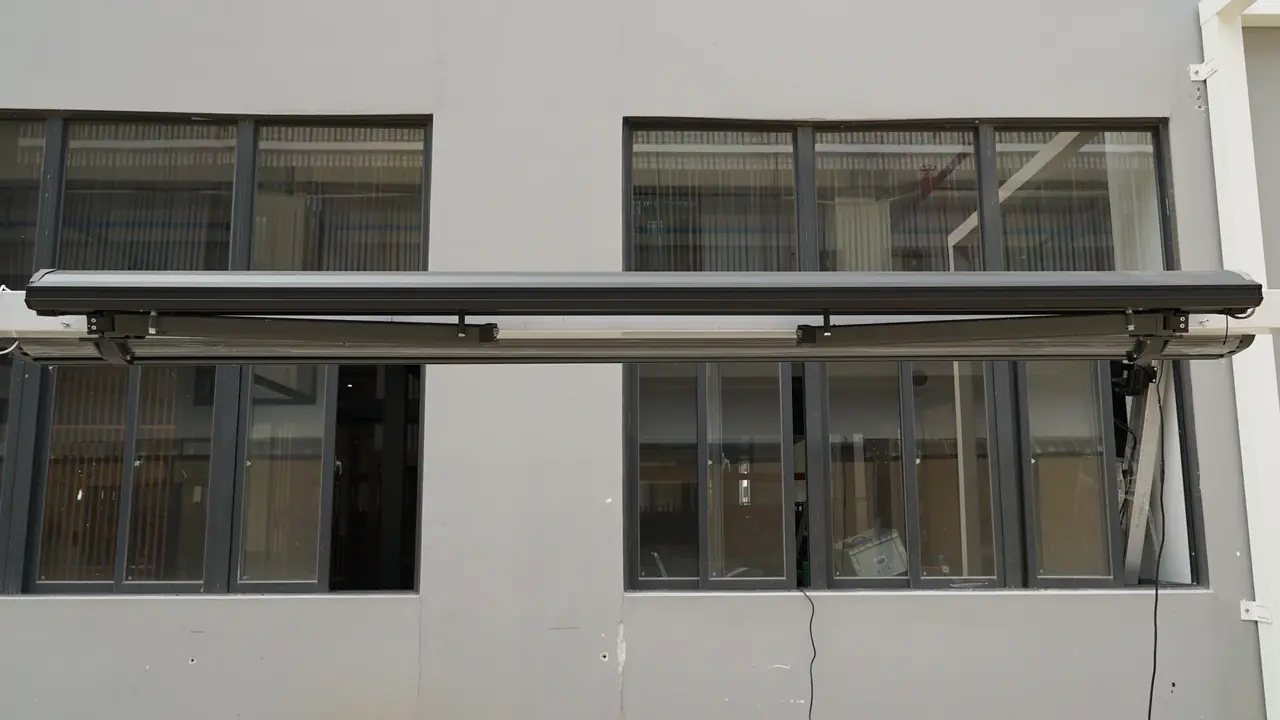
Explain the reason for recovering and current condition
State whether the aim is a new color, damage repair or another observed issue, and disclose noise, obstruction or recent servicing. A request for beige fabric alone may conceal uneven retraction that changes the required work. Do not hide known symptoms to simplify pricing, or present your suspected cause as a confirmed diagnosis. Organize the account around what happened, when it began and what was done. Address abnormalities requiring paused use under the instructions before discussing appearance upgrades; recovering does not automatically repair every mechanism problem.
Allow for the information that still needs site confirmation
Incomplete information may support only a preliminary estimate or consultation scope, not a promise of compatibility. Ask which measurements or checks remain, who performs them and how findings affect the final quote. Missing identity does not automatically mean discarding the unit, but avoid buying generic fabric and trying to force a fit afterward. Retain confirmed identifiers, dimensions and replacement records for future service. A good inquiry reduces uncertainty and establishes a practical service path instead of asking the owner to choose a purchase link from several similar-looking photographs.
- Find genuine references in purchase, installation and service records.
- Provide overall, contextual and safely visible detail photographs.
- Disclose symptoms and have the provider confirm ordering dimensions.
Can fabric width alone identify a replacement for an unknown awning?
Width alone is generally insufficient. Provide system views, visible identifiers, records and provider-confirmed measurements, disclosing current symptoms. Do not dismantle equipment to locate a label or order from a guessed match to an online image. Have the service provider identify remaining site checks.
More questions, practical answers →