Solar canopy decisions
What Should Solar Carport Insurance Cover?
Prepare solar carport insurance discussions with clear asset and responsibility schedules covering structure, equipment, vehicles and downtime questions.
Start with a usable project asset schedule
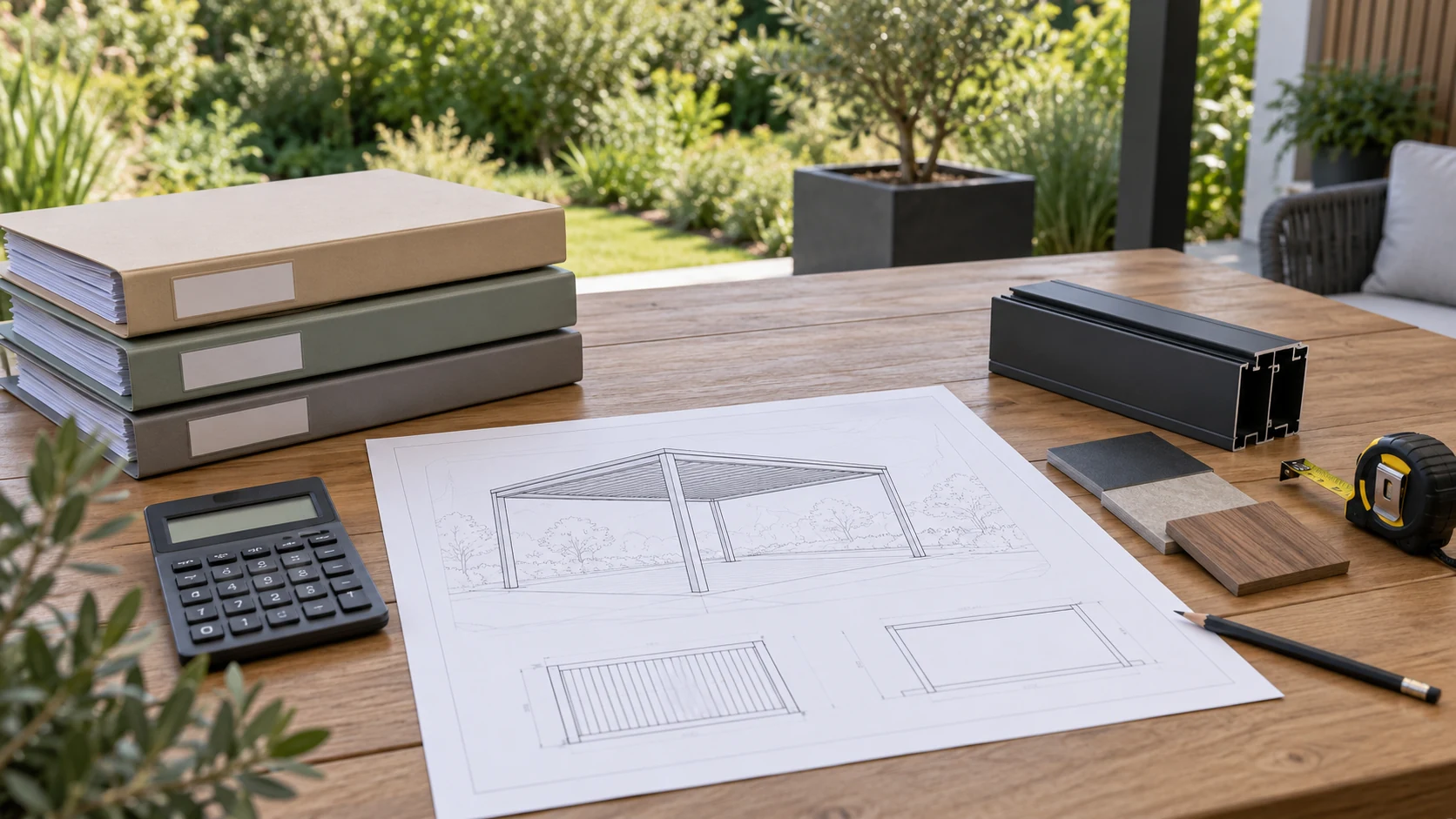
Before discussing insurance, identify the assets and their owners. The canopy, modules, inverters, chargers, storage and parked vehicles may have different ownership, contracts and maintenance arrangements. A photograph alone does not explain these distinctions. Prepare location, use, equipment, installation scope and responsibilities, then ask the insurer what further information it requires. DOE solar fire-safety and procurement resources help frame project and insurance questions, but rooftop examples or US context do not establish this project's coverage. Actual contract terms and applicable conditions determine the result.
Ask for clarification by loss scenario
Ask separately about wind, hail, flooding, fire, impact, equipment damage and effects on third-party property, then about interrupted generation or charging service. These are questions, not a claim that any policy covers them. Clarify deductibles, limits, exclusions, notification requirements and records, asking how terms apply to the project. Product warranties, construction responsibilities and insurance are distinct arrangements; one document does not establish responsibility for every loss. Keep unresolved points in a question register rather than filling gaps with assumptions from a sales discussion.
- List assets, owners and maintenance parties.
- Ask about scope, deductibles, limits and evidence by event.
- Separate warranties, construction contracts and insurance.
Check interfaces when assets have different owners
Imagine a commercial lot where the owner holds the canopy, a third party owns solar equipment and another operator supplies charging. Reporting, restricting access, arranging inspection and authorizing repair may cross several contracts. Disclose that arrangement to insurance and contract specialists so they can identify gaps or conflicting duties. A vehicle parked beneath solar panels should not automatically be assumed to fall within canopy coverage. This example explains the need for a responsibility map; it does not decide a claim, legal liability or the suitability of an insurance product.
Maintain records that support later review
At handover, retain actual equipment schedules, contracts, inspection records, maintenance requirements and contacts, assigning updates. Added charging, storage or changed use should be disclosed for insurance and contract review rather than assuming existing arrangements extend automatically. After an event, follow emergency and reporting procedures, collecting only information that can be obtained safely. Keep written clarifications and unresolved questions for asset management. This approach prepares a focused discussion; it does not predict premiums, recommend coverage or guarantee an insurer's decision.
Should insurance still be checked if the carport has a warranty?
Review them separately. Warranties, construction responsibilities and insurance can have different scope and conditions. Identify asset owners and request written clarification of events, losses, deductibles and exclusions. A warranty does not establish coverage for every loss.
More questions, practical answers →