Large pergola projects
Testing a Public Pergola Layout With Its Future Users
Use on-site layout trials to turn public pergola consultation into specific, testable design decisions.
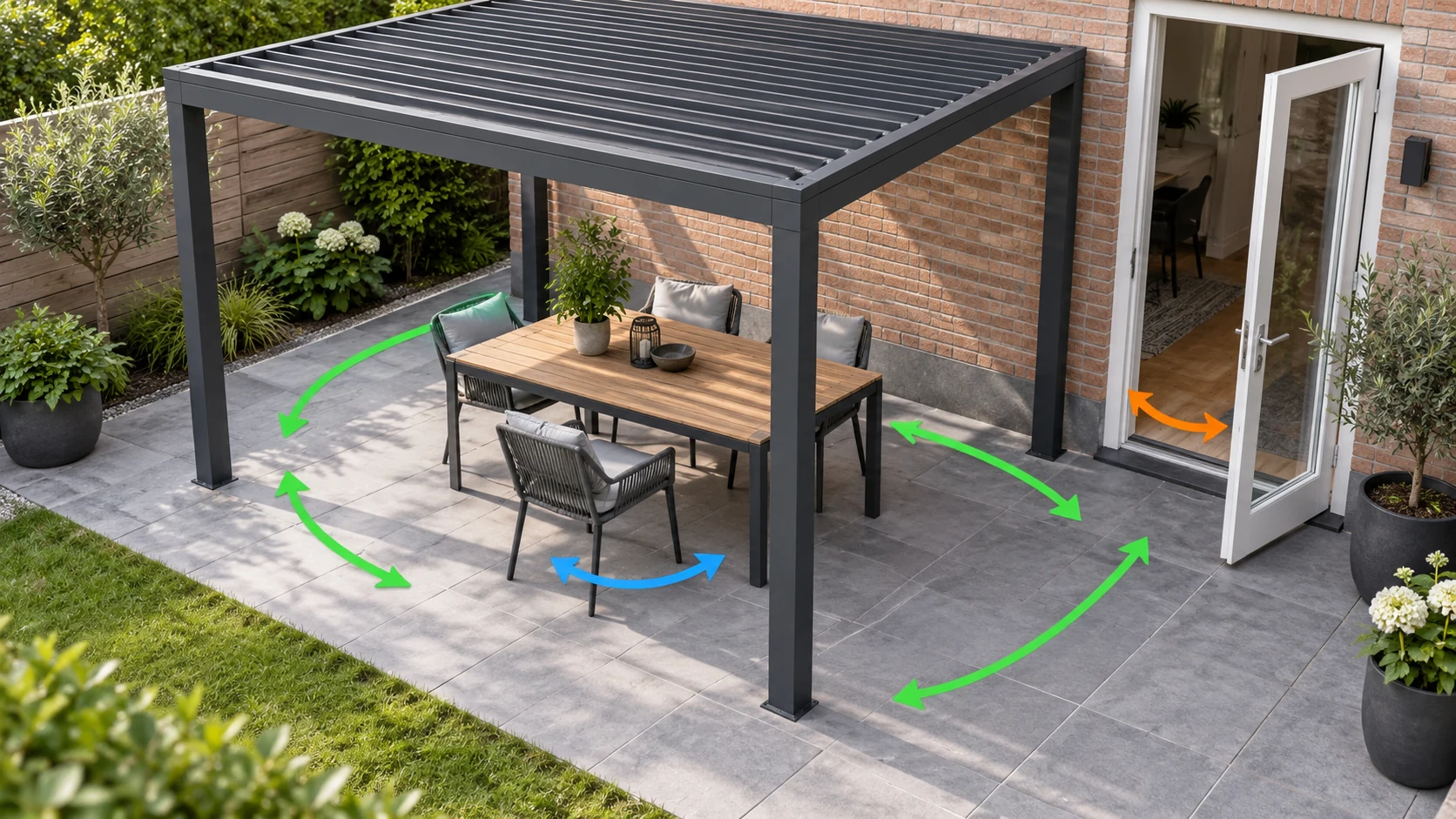
Let users experience the proposed layout
Use site-approved ground markings and temporary furniture to represent posts, seats and main routes during consultation. Asking users to walk, sit and explain difficulties reveals more than a color vote. Consultation is not engineering acceptance, and temporary markings do not authorize the future structure. TTH200/220 may be a candidate under discussion, with dimensions, configuration and positions awaiting review clearly identified. CDC school shade planning supports observation of activities and needs; applying those principles to another public setting still requires adjustment for its users and intended activities.
Record feedback as questions that can be answered
Record where a person was, what they were doing and which difficulty occurred, rather than only likes and dislikes. Invite people of different ages and access needs, observing morning, evening or principal use periods. Trials should not obstruct normal access or collect unrelated personal information. Classify comments as drawing changes, on-site checks or specialist questions so the next version can respond clearly. UK HSE community-premises guidance offers a shared-management reference without replacing formal consultation or statutory processes. The number of comments alone does not establish the preferences of every future user.
- Record the location, activity and actual difficulty.
- Include users with different needs in trials.
- Link feedback to a change or an unresolved check.
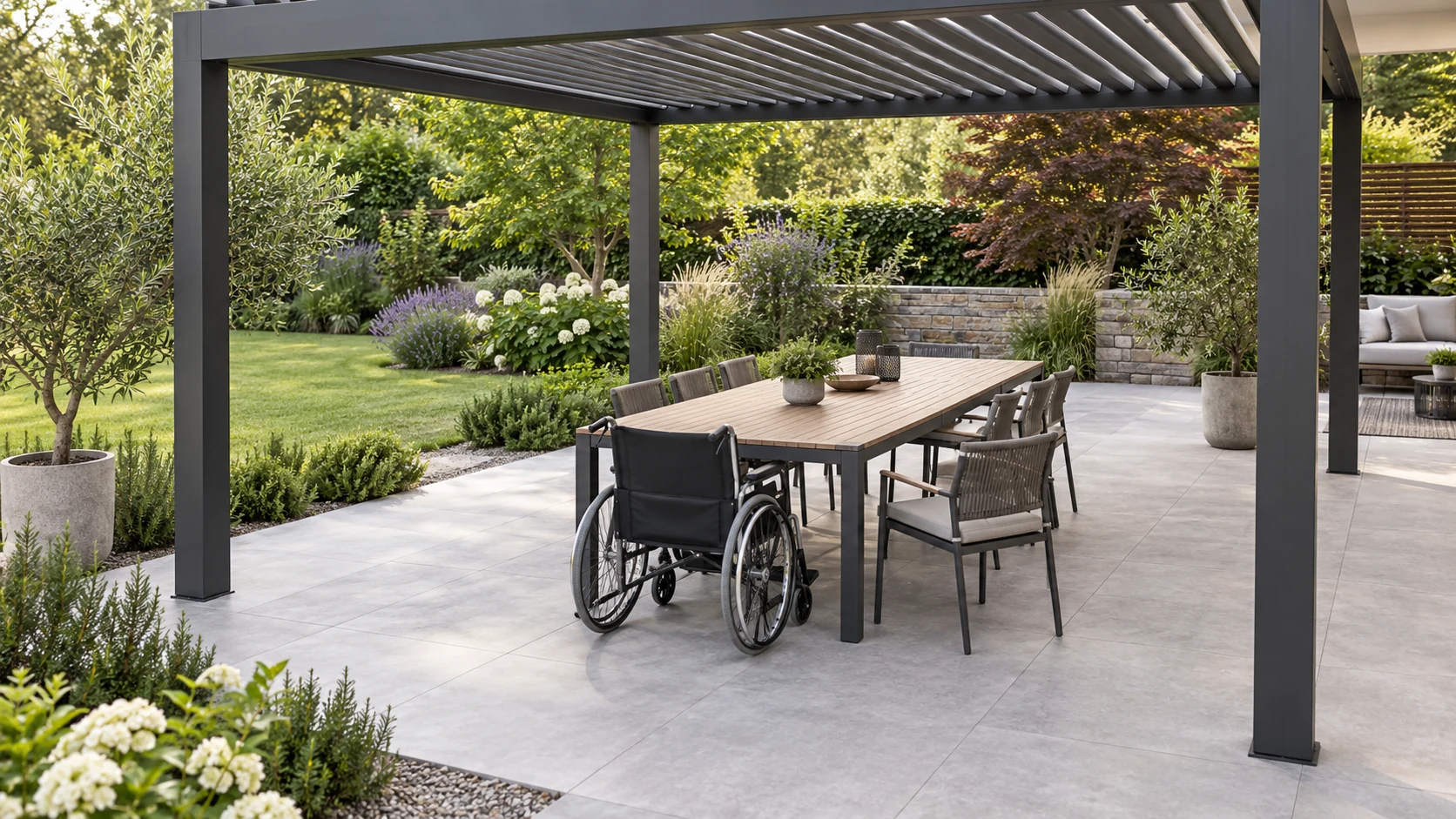
Test the response to an entrance concern
Imagine a community describing the entrance as crowded during an initial consultation. A walking trial reveals a bench near the opening and parked pushchairs, rather than a need to enlarge the entire pergola. Revise furniture positions, invite users to retry and have professionals assess routes and foundations. This example gives no universal spacing and does not place feedback above applicable requirements. Keep the path from observation to revision visible, stating what changed and what remains unresolved. Where views conflict, identify the different use scenarios instead of selecting only comments that support the original design.
Carry consultation into procurement and opening review
Give designers and suppliers the agreed uses, trial photographs, major comments and open questions before procurement, avoiding loss of verbal feedback at handover. After installation, compare posts, furniture, routes and signs with the confirmed plan, explaining later changes. An initial feedback channel can reveal new operating issues without implying an unrequested ongoing monitoring service. Verifiable consultation produces reasoned design decisions, not a claim that everyone is satisfied. Clear revision records connect users, managers and professional teams so participation influences the installed space and its actual operation.
Is asking people to choose colors and appearance enough consultation?
Those views help but do not cover use. Trial arrival, turning, seating, companions and belongings, linking findings to changes or specialist review. A mock-up is not acceptance or approval. Keep feedback and responses together so their effect on the final design is visible.
More questions, practical answers →