Compact pergola living
Pollinator planting beside a pergola dining area
Plan pollinator planting beside a pergola with dining, arm movement and maintenance routes in mind.
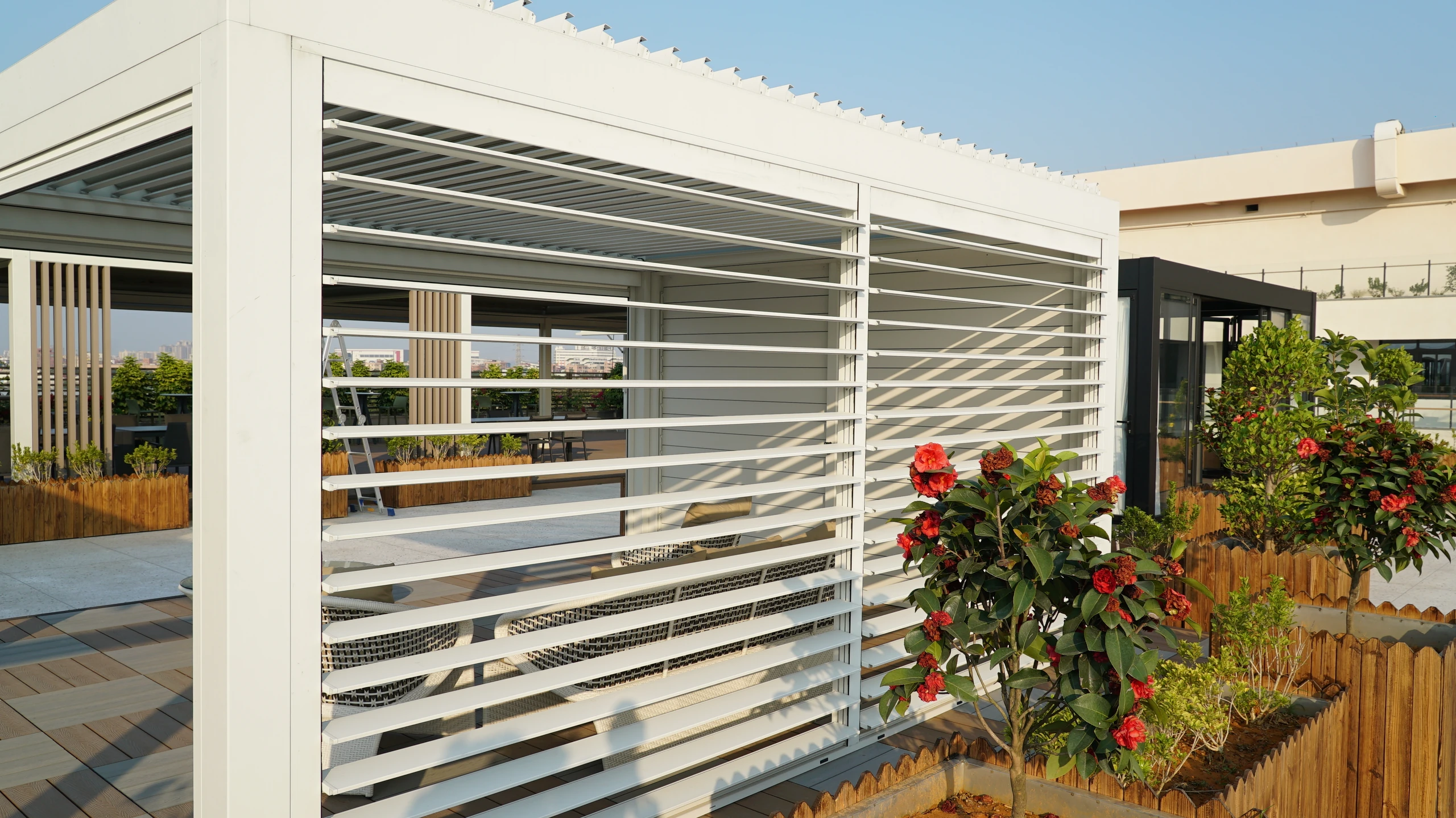
Decide how closely people want to experience planting
Before planting flowers beside a pergola, ask how people want to experience them. Some enjoy close observation; others prefer color and seasonal change viewed from the table. These preferences can lead to different locations. A pot at the table edge may photograph well but occupy serving, chair or drink-reaching space. Choose plants from reliable guidance for the locality and position, then relate the border to seating. Supporting pollinators does not establish that every diner welcomes close contact, and no layout should promise insect-free or sting-free use.
Map hands and flowering stems together
Map placing dishes, passing objects, holding chair backs and helping children. Mature flowering stems matter more than a newly planted outline; use species information and plan appropriate management. Do not fill a frequent route with containers merely for a lush appearance. Where someone has particular concerns or known medical needs, follow their individual professional advice rather than treating a landscaping article as a substitute. Incorporating those needs at the beginning is usually easier than repeatedly moving pots after the area is complete and people discover conflicting expectations.
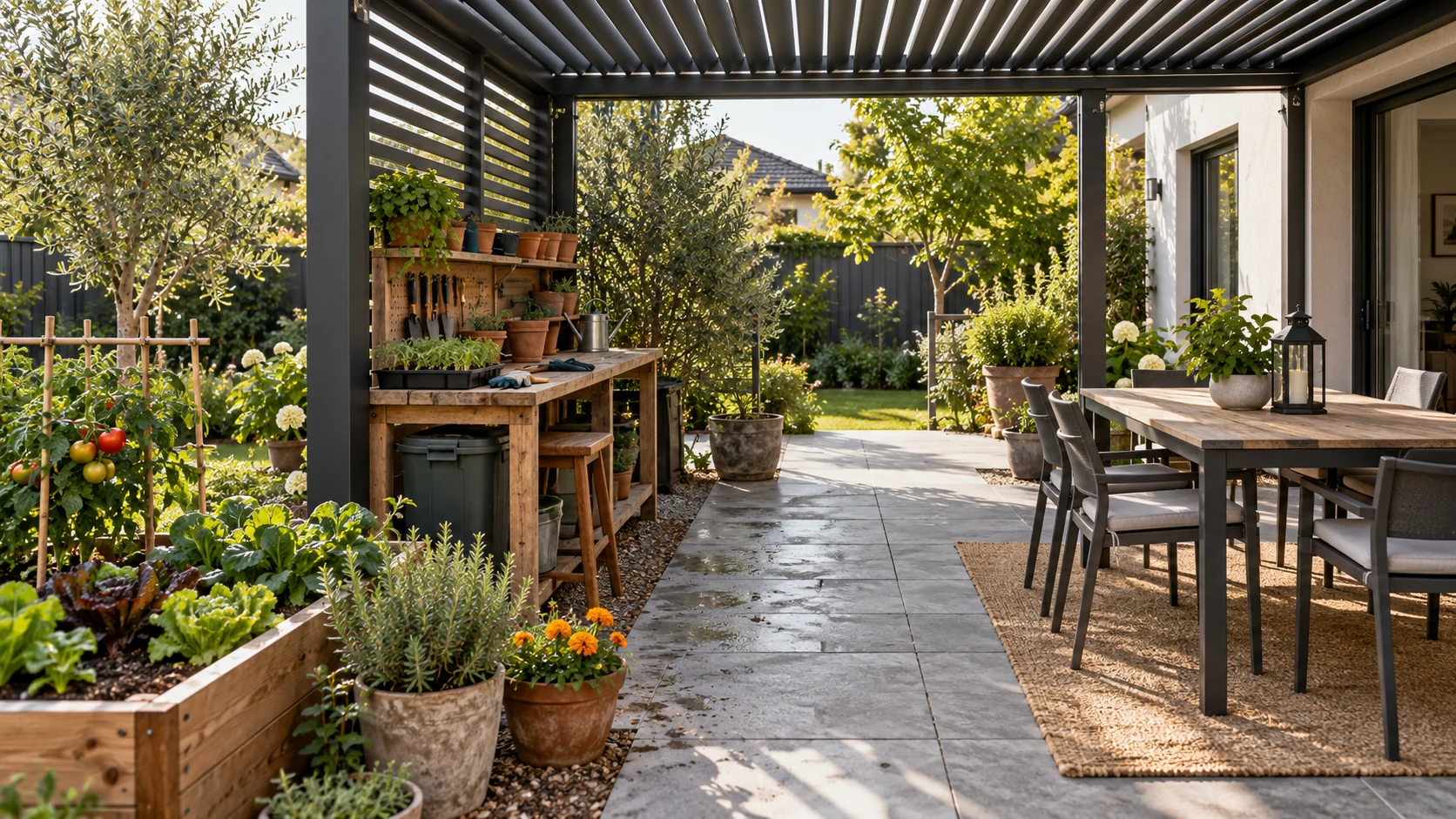
Compare table-edge and garden-edge planting
Imagine a family enjoying breakfast under the pergola and wanting to support pollinators. Compare planting immediately beside the table with a visible garden-edge position outside frequent reaching routes. Use empty pots and mature-growth markers, then rehearse serving and children passing. This hypothetical example sets no universal distance and promises no elimination of insect contact. It clarifies the desired viewing relationship and daily movement. If keeping a route requires repeated pruning, include that task and its responsible person in the decision rather than hiding it behind a planting rendering.
Confirm plants and routines together
Use local horticultural advice and actual light to shortlist plants, checking mature form, seasonal changes and care. Note whether watering, pruning or fallen flowers affect meals, and preserve drainage and service access. Household routines can include checking the table area before eating and clearing food residues, without presenting those habits as a zero-insect guarantee. Begin with a few well-placed plants and adjust density from use feedback. Planting can then retain its ecological and visual roles without constant relocation caused by overlooked daily activities.
Photograph the view from the living room as well, checking visibility from another frequently used position.
- Distinguish close observation from seated viewing.
- Rehearse serving and reaching against mature growth.
- Assign care responsibility while choosing plants.
Must pollinator planting sit directly beside the dining table?
No. Choose a visible position compatible with reaching and serving, plant form, light and household preferences. No distance suits every garden, and relocating flowers cannot guarantee no insect contact. Retain care and meal-cleanup routines and accommodate individual needs.
More questions, practical answers →