Buying guides
How much does an aluminum pergola cost? A TTH budget guide
Understand aluminum pergola cost: compare TTH frame specifications, roof controls, side accessories, delivery, installation and applicable tax responsibilities before requesting an itemized quotation.
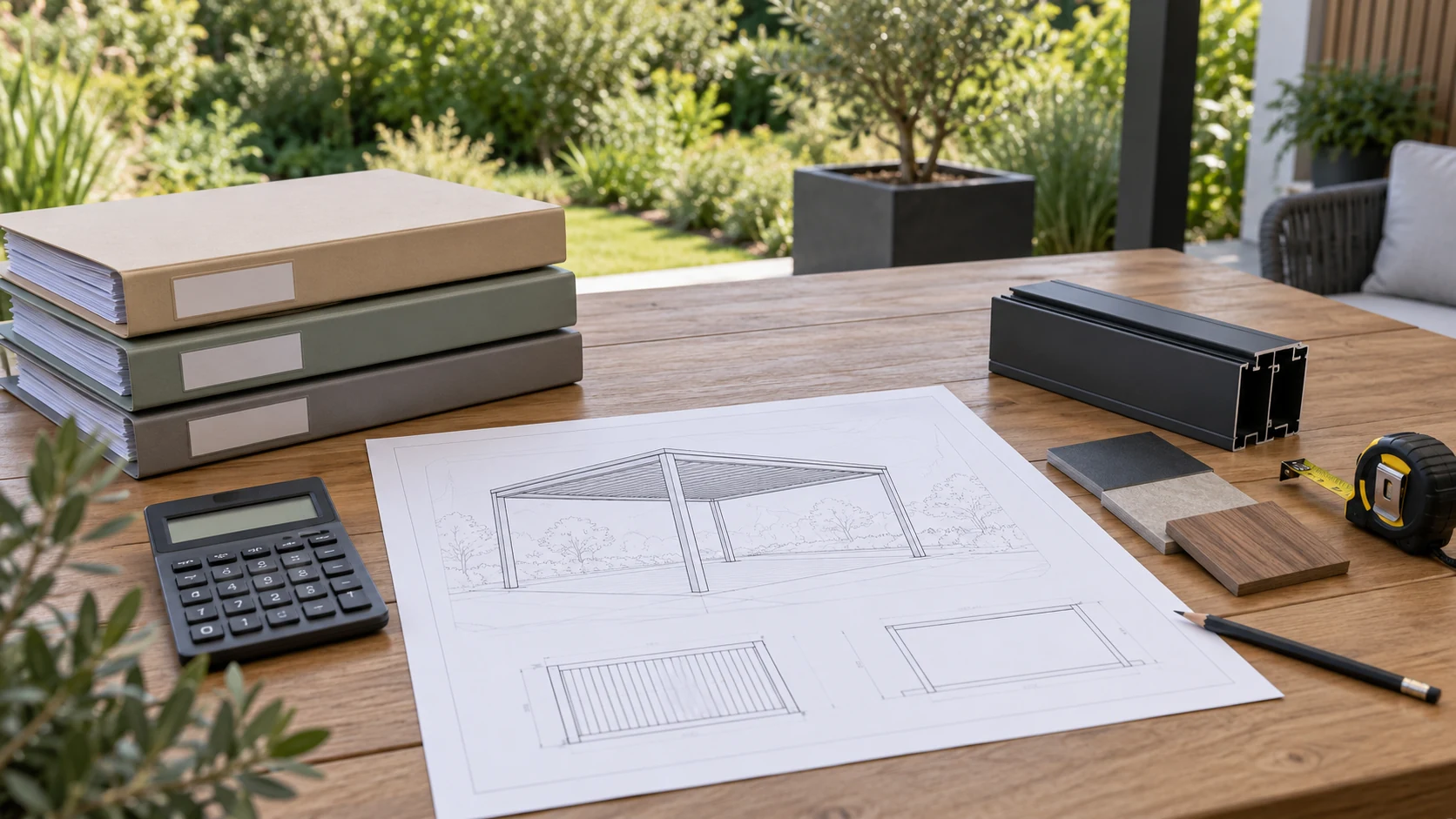
What is the real cost of an aluminum pergola?
The useful answer is the price of a defined pergola configuration plus the work needed to put it into use at your site. A frame-only price, a delivered product price and an installed project price describe different scopes. Before comparing them, identify the size, exact model, roof operation and accessories, then ask which delivery and local works are included. Request an itemized TTH quotation for your chosen configuration and destination to establish a useful project budget.
Start with the problem you want the pergola to solve: afternoon exposure, an outdoor dining area or a more usable garden corner. For TTH Pergola, compare the appropriate 145/175 or 200/220 configuration against that purpose, using the documented dimensions and equipment for each model. A larger model number is not a complete explanation of value. Dimensions, selected components, side treatments and delivery scope all belong in the comparison. The options on tthpergola.com can help you name the desired features; the quotation and approved drawing define what you are buying.
Define the job before the budget split
A pergola budget is easier to manage when the essential use is clear. Decide the area to cover, the required access and the roof experience you want. Ask for a defined base configuration that includes the exact model and size. Without that common starting point, optional features can make quotations difficult to compare and obscure the reason one proposal costs more than another.
Which choices change the pergola quotation?
Ask for each proposed configuration to use the same dimensions and measurement references. Then compare the structure, controls, finish and optional sides as separate lines. This prevents an accessory-rich quotation from being compared with a bare frame as though the two offers describe the same result. Where an item is optional, record both its inclusion and any work needed to fit it; do not assume that an item omitted today can always be added without further preparation.
| Cost item | Specify for comparison | Question to ask |
|---|---|---|
| Frame and roof | Exact model, dimensions and documented profiles | Does the quotation match the current drawing? |
| Roof operation | Supplied controls and operating equipment | Which components and local connections are included? |
| Screens, glass and lighting | Opening IDs, quantities and selected options | Are these in the base price or separately priced? |
| Finish | Agreed finish reference and accessory colors | Does every quoted visible component use the approved finish? |
| Delivery and site work | Destination, unloading and installation scope | Which costs remain outside this offer? |
Price options separately
List screens, glass, lighting and other requested accessories on separate lines. Ask whether planning them now affects the frame, wiring or installation even if they will be ordered later. A future option is not automatically a simple retrofit. Confirm any compatibility conditions before deciding to postpone it. Keep site preparation, transport and installation responsibilities visible so a product-only price is not mistaken for the complete project cost.
What sits outside the product price?
Build a second part of the budget for delivery and local work. Confirm the agreed delivery point and the named party responsible for freight, unloading, movement to the final position and temporary storage. Ask whether destination charges or applicable taxes are included or remain to be arranged; the answer should come from the actual quotation and the responsible service provider, not from the product photograph. For a cross-border purchase, keep the agreed delivery terms attached to the order so that buyer and seller use the same scope.
Separately obtain the local scope for measurements, any necessary ground or foundation work, installation, electrical connections and site approvals where applicable. Identify who prices and completes each item. The TTH supply quotation and an installer offer can be brought into one project budget without pretending that one document covers all the work. When an amount is unknown, leave it as an item awaiting a quotation instead of entering zero. This makes the remaining decisions visible before an order is approved.
Compare value against actual use
Prioritize features that solve a defined need instead of selecting every visible accessory in a scene image. If afternoon sun is the problem, identify the affected side and time before buying equipment for every opening. If the area is mainly used for dining after dark, review lighting as part of the plan. A disciplined specification can improve the decision without assuming a particular feature will always create a financial return or increase property value. When reducing a proposed scope, ask the supplier to issue a revised total and configuration so removed options do not remain ambiguously shown in an old drawing or accessory list.
- Use one base model and footprint for comparison.
- Separate optional accessories from site work.
- Confirm the conditions for any planned later addition.
How do I compare two offers fairly?
Create a side-by-side sheet with one row for each requirement and ask both suppliers to mark it included, optional or excluded. Keep the footprint, model specification, finish and side options identical for the comparison. If one offer changes a component, record the difference explicitly rather than hiding it inside the total. Compare the complete documented scope only after the missing items have been resolved.
For example, an offer that includes roof controls but excludes local electrical connection should not be treated as installation-complete. Likewise, a delivered package may still require unloading and movement through a narrow side passage. These are scope examples, not assumptions about a particular TTH offer. Ask for a revised quote whenever the agreed configuration changes, and check that its drawing version matches the price being approved.
- Use the same dimensions, exact model and accessory schedule.
- Mark each cost as included, optional, excluded or awaiting confirmation.
- Confirm delivery, unloading, installation and applicable tax responsibilities.
- Approve the current quotation together with the matching drawing.
Is it sensible to buy every accessory immediately?
Only if they serve a clear purpose and fit the confirmed configuration. Prioritise the intended use, then establish which options can be deferred and what interfaces must be prepared now. Do not assume every accessory can be added later.
Is price per square metre enough to choose a pergola?
It can provide a way to organize an early enquiry, but it is not a complete purchasing comparison. Different profiles, controls, side openings and delivery scopes can sit behind the same area figure. Send TTH a dimensioned sketch, site photographs, intended use and preferred accessories to request an itemized proposal. Compare the resulting complete scope before deciding which option meets your budget.